


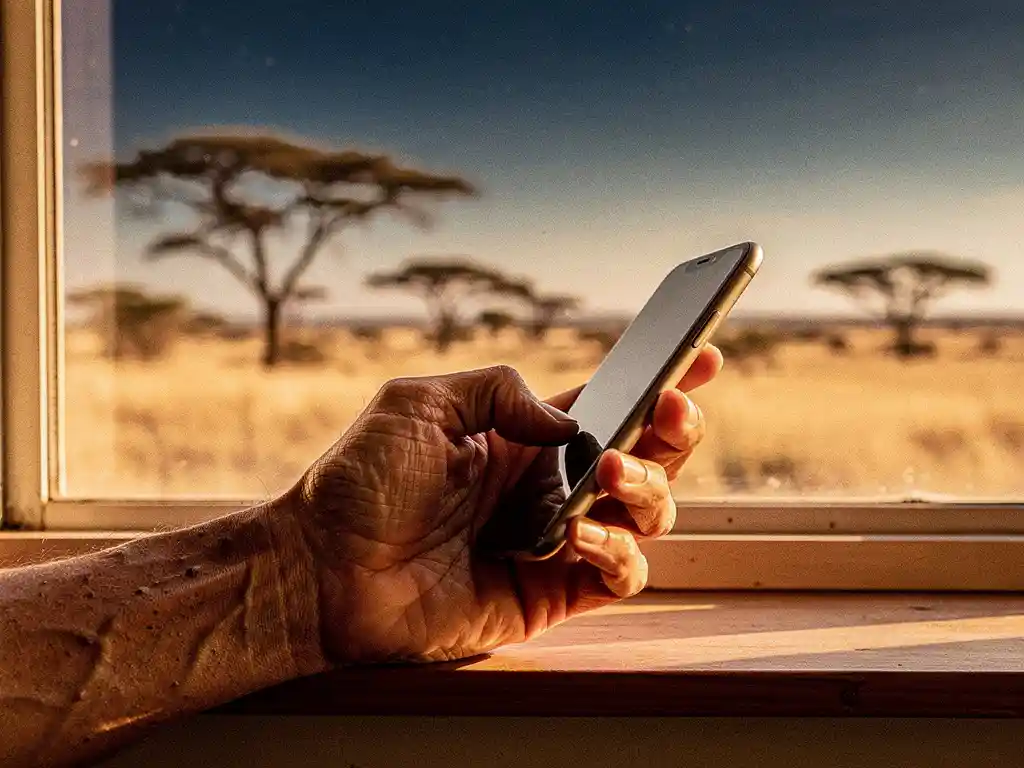
Tanzania is one of the most connected countries in East Africa, with millions of people using smartphones and messaging apps every day. But if you have family or friends there, or if you are planning to call Tanzania from abroad, you may have run into a frustrating reality: WhatsApp calls do not always work the way you expect.
Understanding why this happens, what your options are, and how to stay in touch reliably and affordably is exactly what this article covers. Whether you are part of the African diaspora in Europe or simply trying to reach someone in Dar es Salaam or Dodoma, read on for clear, practical answers.
Is WhatsApp calling blocked in Tanzania?
Yes, WhatsApp voice and video calls are effectively blocked in Tanzania. The Tanzanian government, through the Tanzania Communications Regulatory Authority (TCRA), has imposed restrictions on Voice over Internet Protocol (VoIP) services, which include WhatsApp calling, Skype, and similar apps. While WhatsApp messaging still functions, the calling feature is consistently unreliable—or completely non-functional—for many users inside Tanzania.
This restriction has been in place for a number of years and reflects a broader regulatory stance toward internet-based calling services in the country. Tanzania is not alone in this approach across the African continent, but enforcement has been notably consistent, making it one of the more significant barriers for diaspora communities trying to stay connected with loved ones back home.
Why does Tanzania restrict internet-based calls?
Tanzania restricts VoIP calls primarily to protect the revenue of licensed telecommunications operators. When people make calls through apps like WhatsApp instead of traditional phone networks, telecom companies lose significant income from international call charges. The government, which licenses and taxes these operators, has a financial interest in maintaining that revenue stream.
There are also regulatory arguments around national security and the ability to monitor communications through official channels. Licensed telecom providers are subject to lawful interception requirements, whereas encrypted VoIP apps are far harder to oversee in the same way.
The result is a policy environment in which internet-based calling is treated as a threat to the existing telecom infrastructure rather than a complement to it. For everyday people, especially those receiving calls from family abroad, this means the free calling tools they rely on simply do not work as intended.
What happens if you use WhatsApp calls in Tanzania?
If you try to make or receive a WhatsApp call while inside Tanzania, you will most likely experience dropped calls, severe audio lag, or a complete failure to connect. The call may appear to ring but never actually go through. This is not a network quality issue on your end—it is the result of active traffic filtering by internet service providers operating under TCRA directives.
Some users in Tanzania attempt to bypass these restrictions using a VPN (Virtual Private Network), which can mask the nature of the traffic and make VoIP calls work. However, this comes with its own risks:
- VPN use in Tanzania exists in a legal grey area, and the government has previously taken steps to restrict VPN access as well.
- VPN connections can significantly reduce call quality, making conversations difficult.
- Not all VPNs are reliable or secure, particularly free ones.
- The person you are calling still needs a stable connection on their end.
For the person calling from Europe or elsewhere, the experience can be deeply frustrating. You dial, you wait, and nothing connects. This is why understanding legal and reliable alternatives matters so much for diaspora communities that depend on regular contact with family.
What are the legal alternatives to WhatsApp calls in Tanzania?
The most reliable and legally straightforward way to call Tanzania is through traditional international calling, either directly from your mobile plan or through a dedicated international calling app that routes calls over licensed telecom networks rather than pure VoIP. These calls reach standard Tanzanian phone numbers without being caught by VoIP filters.
Here are the main alternatives worth considering:
- International calling apps with telecom routing: Some apps use a hybrid model, connecting through the internet on your end but terminating on the recipient’s standard phone line. This means the person in Tanzania does not need an app, an internet connection, or any special setup.
- Standard international calls from your mobile provider: These work reliably but can be very expensive, especially for long conversations.
- Calling cards and prepaid credit: Physical or digital calling cards have long been used by diaspora communities and still offer a cost-effective route to many African destinations.
- SMS and messaging: While calling is restricted, text-based messaging through WhatsApp and other apps continues to function normally in Tanzania.
The key factor to look for in any alternative is whether the call lands on a standard phone number in Tanzania. If it does, the VoIP restrictions do not apply, and your contact can receive the call on any ordinary mobile or landline without needing anything special on their side.
How can the African diaspora in Europe call Tanzania affordably?
For African diaspora communities in Europe, the most affordable way to call Tanzania is through an international calling service that charges per-second or per-minute rates with no hidden fees and routes calls to standard Tanzanian phone numbers. This bypasses the WhatsApp calling block entirely while keeping costs transparent and predictable.
When comparing options, focus on the number of minutes you actually get for your money rather than headline rates alone. A low per-minute rate with connection fees can end up costing more than a slightly higher rate with no extras. Transparent, per-second billing is the clearest way to know exactly what you are paying for.
It is also worth looking for a service that supports your preferred language. Many diaspora community members, particularly those who do not speak English as a first language, benefit enormously from an app that can be read and navigated in their own language, whether that is Swahili, Hausa, Arabic, Amharic, or another familiar tongue.
Reliability matters just as much as cost. A dropped call or poor audio quality wastes both time and money, and when you are catching up with family across borders, every minute of a real conversation counts.
How FroggyTalk helps you call Tanzania and beyond
We built FroggyTalk specifically for diaspora communities that need affordable, reliable international calls without the confusion of hidden charges or the frustration of blocked apps. Here is what makes us different:
- Calls land on standard phone numbers — the person you are calling does not need the app or an internet connection, so Tanzania’s VoIP restrictions are not a problem.
- Transparent per-second billing — no connection fees, no hidden charges, just honest rates so you always know how many minutes you are getting for your money.
- Full app translation into your local language — everything in the app can be read and used in your preferred language, so you always feel at home.
- Built for the African diaspora — we support calls to Tanzania and across Africa, with a service designed around the communities that need it most.
- You deserve to feel heard, seen, and noticed — that is at the heart of everything we do.
Whether you want to check current call rates or have a question about our service, we are here for you. Check our latest call rates to see exactly what you get for your money, or get in touch with our team and we will help you find the best way to stay connected with the people who matter most.