


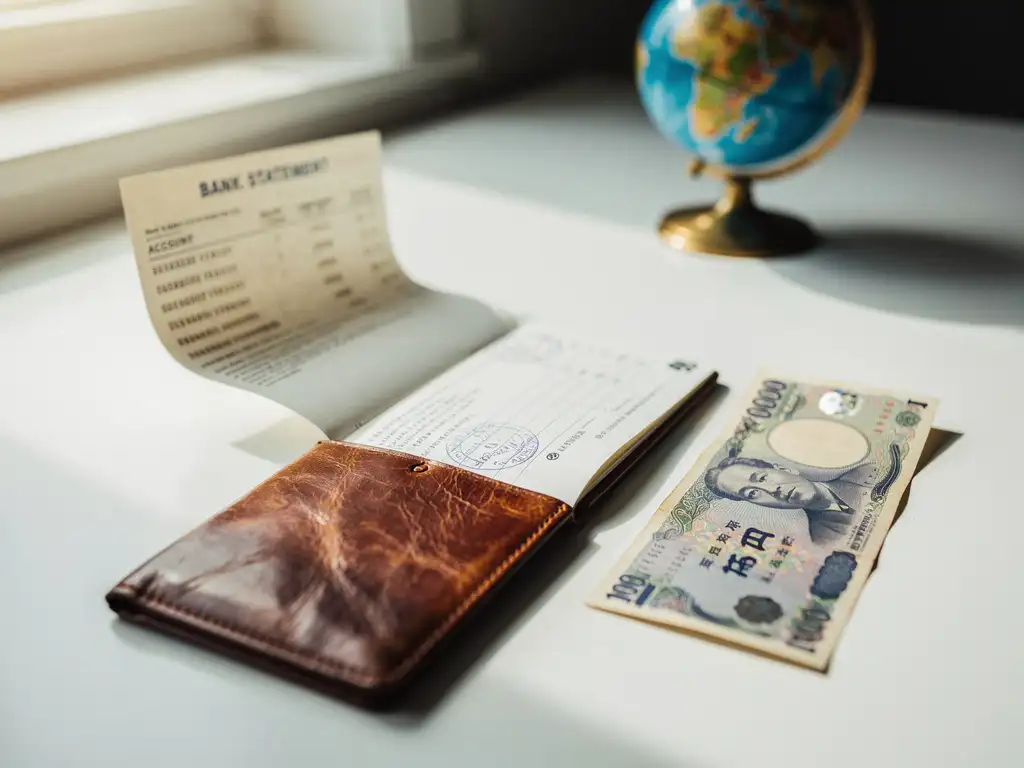
Sending money across borders is one of the most important financial actions many people in the diaspora take on a regular basis. Whether you are supporting family back home or contributing to a community project, understanding which documents you need for an international money transfer can save you time, stress, and delays.
The good news is that the process is more straightforward than many people expect. Once you know which documents are required and why, you can prepare in advance and send money with confidence. This guide walks you through everything you need to know, step by step.
What is an international money transfer, and how does it work?
An international money transfer is the process of sending funds from one country to another, typically from a sender in Europe to a recipient in Africa or another region. The sender initiates the transfer through a bank, app, or money transfer service, and the recipient receives the funds in their local currency, either through a bank account, mobile wallet, or cash pickup.
The transfer moves through a financial network that converts currencies, applies exchange rates, and routes the funds securely to the destination. Most modern services complete transfers within minutes to a few days, depending on the destination country and the method used. Transparency in fees and exchange rates is essential, because the true cost of a transfer often lies in the rate applied, not just the service fee shown upfront.
What documents do you need to send money internationally?
To send money internationally, you typically need a valid government-issued photo ID, proof of your current address, and sometimes documentation explaining the purpose of the transfer. The exact requirements depend on the amount you are sending and the platform or service you use.
Most services divide their requirements into two categories: identity verification and address verification. For smaller transfers, a basic ID is often enough. For larger amounts, services may request additional documentation to comply with anti-money laundering regulations. Here is a general overview of what to prepare:
- A valid government-issued photo ID (passport, national identity card, or residence permit)
- Proof of your current address (utility bill, bank statement, or official letter)
- Your personal details, including your full name, date of birth, and country of residence
- The recipient’s full name and contact or account details
- For larger transfers, a brief explanation of the source of the funds or the purpose of the transfer
Preparing these documents before you start a transfer makes the process faster and reduces the chance of your transaction being delayed or flagged for review.
Why do money transfer services ask for your ID?
Money transfer services ask for your ID because they are legally required to verify the identity of their users. This is part of a global regulatory framework called Know Your Customer (KYC), which is designed to prevent fraud, money laundering, and the financing of illegal activities.
These regulations apply to all financial service providers operating in Europe and beyond. They are not designed to make things difficult for ordinary users. In fact, they protect you as a sender by ensuring that your funds are handled by a regulated, accountable service. When a platform verifies your identity, it also helps protect your money from being misused or transferred without your consent.
The more you use a service, the more familiar the verification process becomes. Many platforms allow you to complete verification once and then use the service freely for future transfers without repeating the process.
Which ID documents are accepted for an international transfer?
Most international money transfer services accept a passport, national identity card, or a valid residence permit as proof of identity. The document must be government-issued, include your photo, and must not be expired.
Here is a numbered list of the most commonly accepted ID documents, in order of how widely they are accepted across platforms:
- Passport — accepted universally across all services and countries
- National identity card — accepted by most Europe-based services for EU and EEA residents
- Residence permit or biometric card — widely accepted, especially for migrants and refugees living in Europe
- Driver’s license — accepted by some services, though less commonly for international transfers
If you are a refugee or asylum seeker, you may be able to use documentation issued by national authorities or refugee agencies. It is always worth checking with the specific service you plan to use, as acceptance policies vary. Services that are built with diaspora communities in mind tend to be more flexible and supportive in this regard.
What proof of address is accepted for a money transfer?
Proof of address for an international money transfer is typically a document that shows your full name and current residential address and that was issued within the last three months. Common examples include a utility bill, a bank statement, a government letter, or a tenancy agreement.
The document does not need to be from a bank. A gas, electricity, or internet bill with your name and address printed on it is usually sufficient. If you have recently moved or do not have bills in your name, a letter from your local municipality, housing authority, or social services can often be used instead.
For people who share accommodation or live in temporary housing, this step can sometimes feel like a barrier. In those cases, contacting the service’s customer support team directly is the best approach. Many services that cater to migrant and refugee communities understand these circumstances and offer alternative ways to verify your address.
What happens if you don’t have the right documents?
If you do not have the right documents, your transfer may be delayed, put on hold, or declined until verification is complete. In most cases, the service will notify you clearly about what is missing and give you the opportunity to provide it before canceling the transaction.
This situation is more common than many people realize, particularly among newly arrived migrants or refugees who are still in the process of obtaining official documentation. It does not mean you cannot send money at all. It means you need to find a service that is equipped to work with your specific situation.
Some practical steps if you are missing documents include:
- Contact the customer support team of the transfer service and explain your situation
- Ask whether alternative documents, such as letters from NGOs or housing providers, are accepted
- Check whether the service offers multilingual support so you can communicate clearly in your own language
- Look for services specifically designed for diaspora communities, which often have more flexible onboarding processes
Being proactive and honest with the service provider is always the best approach. Most regulated services want to help you complete your transfer and will work with you to find a solution.
How FroggyTalk helps with international money transfers
We built FroggyTalk because we believe that Africans living abroad deserve services that see them, hear them, and understand their reality. Many of our users are sending money to family back home in Nigeria, Ethiopia, Eritrea, Sudan, and across the continent. Our international money transfer service is designed with exactly that in mind, offering a transparent, affordable, and accessible way to support your family back home.
Here is what makes our approach different:
- No hidden fees and no connection charges, so you always know exactly what you are paying
- Multilingual support in Tigrinya, English, Arabic, Hausa, Amharic, French, Swedish, Dutch, and more, so you can use the service fully in your own language
- Everything inside the app can be translated into your local language, removing language as a barrier at every step
- Culturally sensitive customer support that understands the documentation challenges faced by migrants and refugees
- Seamless integration with our calling service, so you can stay connected and send money in one trusted place
You deserve a service that works for you, not against you. Whether you have questions about documents or want to know the best rates available, get in touch with our team and let us help you send money home with confidence.