


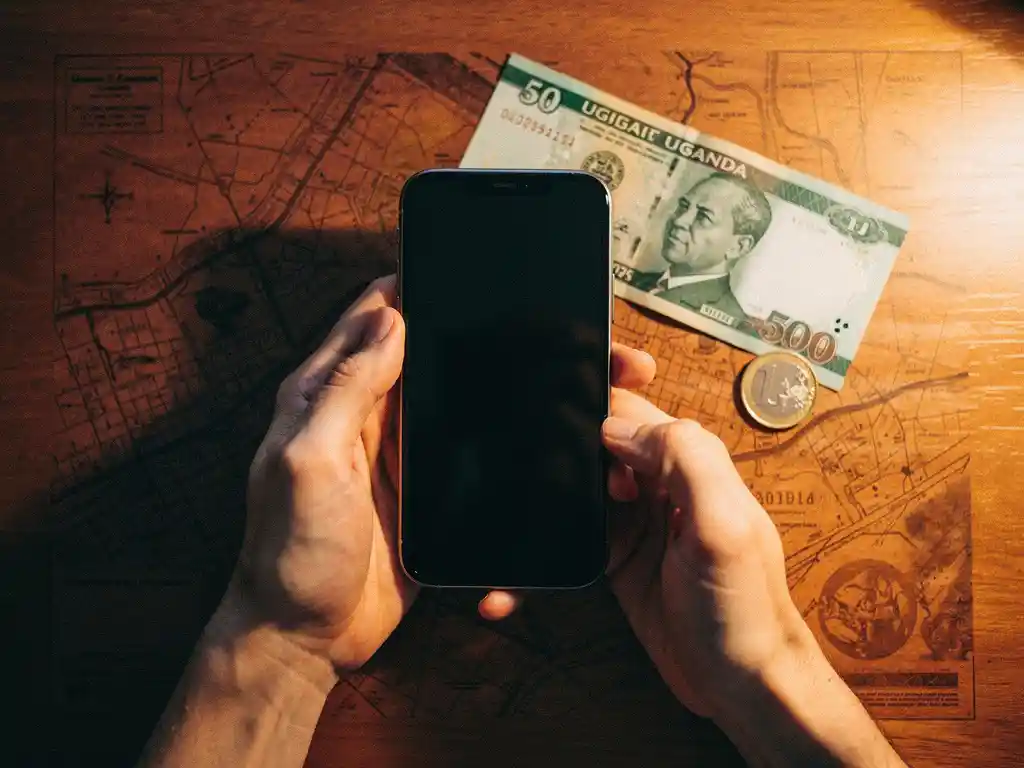
To send money to Uganda online, you typically need a valid government-issued ID, the recipient’s full name and contact details, and a funded payment method such as a bank account, debit card, or credit card. Most reputable transfer services also require a registered account with a verified email address. The exact requirements vary slightly by provider, but the process is straightforward once you have these essentials ready. Below, we walk through everything you need to know before making your first transfer.
What documents do you need to send money to Uganda?
To send money to Uganda online, you need a valid government-issued photo ID, such as a passport, national identity card, or residence permit. Most platforms also ask for proof of address and may request additional verification if you are sending larger amounts. This identity check is a legal requirement under anti-money laundering regulations that protect both senders and recipients.
Here is what you should have ready before starting a transfer:
- Valid photo ID: passport, national ID card, or residence permit
- Proof of address: a recent utility bill, bank statement, or official letter
- Recipient details: full legal name, phone number, and mobile money account or bank details
- Your registered account: a verified email address and completed profile on the transfer platform
For first-time users, the verification step can take anywhere from a few minutes to 24 hours, depending on the platform. Once your account is verified, repeat transfers are much faster because your documents are already on file.
Which payment methods can you use to fund the transfer?
You can fund an online transfer to Uganda using a debit card, credit card, bank transfer, or mobile wallet, depending on the platform you choose. Debit and credit cards offer the fastest processing, while bank transfers tend to have lower fees but take slightly longer to clear. The best option depends on how quickly you need the money to arrive and what costs you are willing to accept.
Each payment method has its own trade-offs:
- Debit card: Fast, widely accepted, and usually straightforward to set up. A good default choice for most senders.
- Credit card: Convenient but may incur additional fees from your card provider on top of the transfer fee.
- Bank transfer: Often the most cost-effective option, especially for larger amounts, though it may add one to two business days to the process.
- Mobile wallet: Available on some platforms and useful if you prefer keeping funds separate from your main bank account.
Always check whether your chosen platform charges a funding fee on top of the transfer fee. These costs can add up quickly, so it pays to compare the total cost rather than just the advertised transfer rate.
How does the recipient receive money in Uganda?
Recipients in Uganda can receive money through mobile money services like MTN Mobile Money or Airtel Money, direct bank deposit, or cash pickup at designated agent locations. Mobile money is by far the most popular option because it is fast, widely accessible, and does not require the recipient to have a bank account. Most transfers reach a mobile money wallet within minutes.
Uganda has one of the most developed mobile money ecosystems in Africa, which means your recipient likely already has a registered mobile money account. If they do not, cash pickup through an agent network is a reliable alternative, particularly in rural areas where banking infrastructure is limited.
When setting up the transfer, you will need to select the delivery method and enter the recipient’s mobile number or bank account details accurately. A small error in these details can delay or misdirect the funds, so double-check before confirming.
What fees and exchange rates should you watch out for?
When sending money to Uganda online, watch out for transfer fees, exchange rate margins, and any hidden charges applied at the point of conversion. Many providers advertise low or zero transfer fees but recover their costs through an inflated exchange rate, meaning your recipient receives fewer Ugandan shillings than expected. The only way to compare providers fairly is to look at the total amount delivered, not just the headline fee.
Key things to check before confirming any transfer:
- Exchange rate margin: Compare the rate offered against the mid-market rate to see how much the provider is marking up.
- Transfer fee: Some platforms charge a flat fee, others charge a percentage of the amount sent.
- Funding fees: Paying by credit card sometimes triggers an additional charge from your card issuer.
- Recipient fees: Occasionally, the receiving bank or mobile money provider deducts a small fee on their end.
Transparent providers show you the exact amount your recipient will receive before you confirm the transaction. If a platform does not show this clearly, treat that as a warning sign.
How long does an online transfer to Uganda take?
An online transfer to Uganda typically arrives within minutes when sent to a mobile money wallet, and within one to three business days when sent to a bank account. The speed depends on the delivery method you choose, the payment method used to fund the transfer, and whether additional identity verification is required for your account.
Mobile money transfers to MTN or Airtel wallets are almost always the fastest route. Bank deposits take longer because they pass through the international banking network, which adds processing time. If you are sending money urgently, choose mobile money delivery and fund the transfer with a debit card for the quickest result.
First-time transfers may take slightly longer if the platform needs to complete identity verification before releasing the funds. Once your account is fully verified, subsequent transfers to the same recipient are typically processed much faster.
What’s the safest way to send money to Uganda online?
The safest way to send money to Uganda online is to use a licensed, regulated money transfer operator that applies identity verification, encryption, and real-time transaction tracking. Regulation by a financial authority in your country of residence, such as the Dutch National Bank (DNB) in the Netherlands or the Financial Conduct Authority (FCA) in the UK, is the most important indicator of a trustworthy provider.
To protect yourself and your recipient, follow these practices:
- Only use platforms that are officially licensed in your country of residence.
- Verify the recipient’s details carefully before confirming any transfer.
- Enable two-factor authentication on your transfer account.
- Use a secure, private internet connection, not public Wi-Fi, when making transactions.
- Keep a record of your transaction confirmation and reference number.
Avoid sharing your login credentials with anyone, and be cautious of unsolicited messages asking you to send money on behalf of someone else. Legitimate transfer services will never ask for your password or request that you bypass their standard verification process. If something feels off, contact the platform’s customer support before proceeding.
How FroggyTalk helps you send money to Uganda
We built FroggyTalk around a simple belief: every person in the African diaspora deserves to feel heard, seen, and noticed. That belief extends beyond phone calls. Our international money transfer service is designed specifically for African communities across Europe who need a fast, transparent, and affordable way to support their families back home, whether in Uganda, Nigeria, Eritrea, Sudan, or beyond.
Here is what makes our service different:
- No hidden fees: We show you exactly what your recipient will receive before you confirm the transfer. No surprises.
- Competitive exchange rates: We keep our margins fair so more of your money reaches the people who need it.
- Real-time tracking: Follow your transfer from the moment you send it to the moment it arrives.
- Multilingual support: Everything in the app can be translated into your local language, including Tigrinya, Hausa, Amharic, Arabic, and more, so you never have to navigate the process in a language that is not yours.
- One platform, two services: Manage your international calls and your money transfers in the same trusted app.
We understand the trust it takes to send money across borders, and we take that responsibility seriously. If you have questions about a transfer or need help getting started, our multilingual team is ready to support you. Get in touch with us and we will walk you through every step.
Frequently Asked Questions
Is there a minimum or maximum amount I can send to Uganda online?
Most money transfer providers set both a minimum and maximum transfer limit, which can vary depending on your account verification level. Unverified or newly created accounts often have lower limits, while fully verified accounts can send significantly higher amounts. If you need to send a large sum, complete your full identity verification in advance and check the provider’s stated limits before initiating the transfer.
What happens if I enter the wrong recipient details?
Entering incorrect recipient details, such as a wrong mobile number or bank account number, can result in a delayed, failed, or misdirected transfer. If you catch the mistake before the transfer is processed, contact the platform’s customer support immediately to request a correction or cancellation. Once funds have been delivered to an incorrect account, recovery can be difficult and is not always guaranteed, which is why double-checking all details before confirming is essential.
Can I send money to Uganda if the recipient doesn't have a mobile money account or bank account?
Yes, cash pickup is a widely available alternative for recipients who do not have a mobile money wallet or bank account. Many transfer platforms partner with agent networks across Uganda, including in rural areas, where recipients can collect funds in person by presenting a valid ID and the transfer reference number. This makes it a practical option for sending money to elderly relatives or people in areas with limited digital infrastructure.
Will the recipient be taxed or charged on the money they receive?
In most cases, personal remittances received in Uganda are not subject to income tax for the recipient, but mobile money providers or receiving banks may deduct a small transaction fee on their end. It is worth checking with your transfer provider whether any recipient-side fees apply, as these will reduce the final amount your beneficiary collects. Transparent platforms display these deductions upfront so there are no surprises at the point of collection.
How do I know if a money transfer provider is legitimate and safe to use?
A legitimate provider will be licensed and regulated by a recognized financial authority in the country where it operates, such as the FCA in the UK, DNB in the Netherlands, or an equivalent body. You can usually verify this by checking the regulator’s official register online using the provider’s name or license number. Additional trust signals include transparent fee disclosure, two-factor authentication, encryption, and a verifiable customer support channel.
Can I schedule recurring transfers to Uganda, or do I have to send money manually each time?
Many modern transfer platforms allow you to set up recurring or scheduled transfers, which is a convenient option if you send money to the same recipient regularly, such as for monthly family support. This feature automates the process so funds are sent on a fixed date without you needing to log in each time. Check whether your chosen provider offers this functionality, and ensure your payment method has sufficient funds on the scheduled transfer date to avoid failed transactions.
What should I do if my transfer is delayed or hasn't arrived?
If your transfer has not arrived within the estimated delivery window, start by checking the transaction status using the tracking feature on your provider’s platform. Delays are most commonly caused by pending identity verification, a mismatch in recipient details, or processing times within the international banking network. If the status shows no clear reason for the delay, contact the provider’s customer support with your transaction reference number so they can investigate and resolve the issue promptly.