


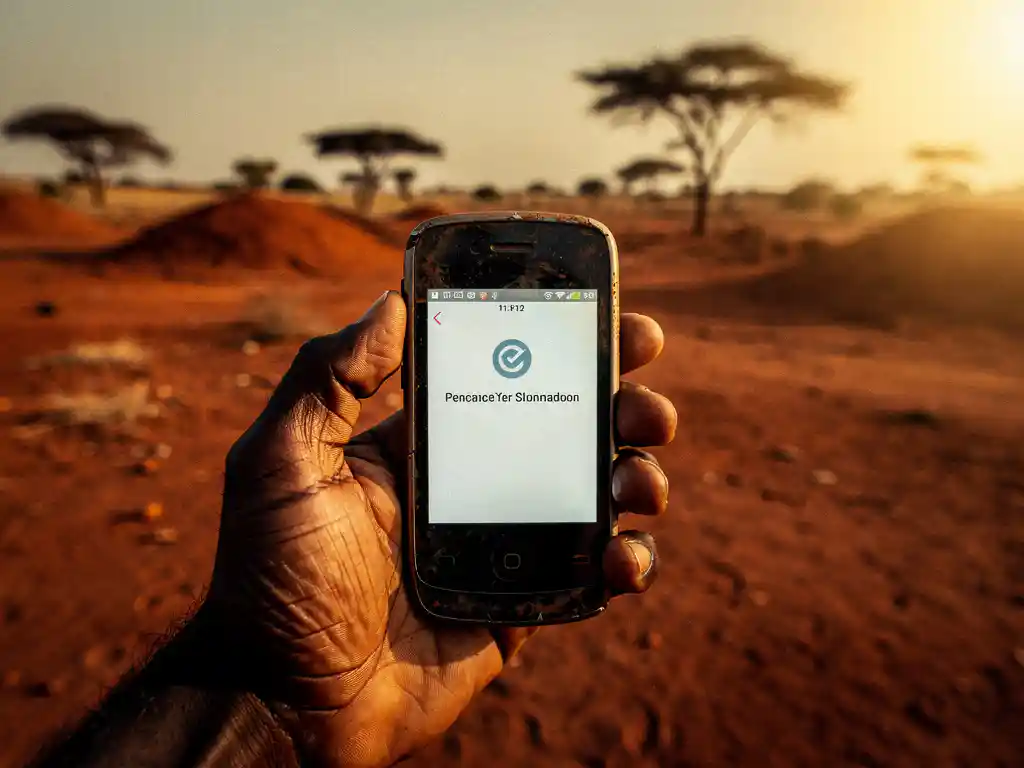
Sending money to Eritrea when your recipient lives in a rural area is possible, but it requires using the right channels. Most formal banking infrastructure does not reach remote villages, so the majority of successful transfers rely on informal networks and community-based agents who operate locally. This article walks through the most important questions about how to get money to rural Eritrea safely, affordably, and with confidence.
What money transfer options actually reach rural Eritrea?
The most reliable options for reaching rural Eritrea are hawala networks, community-based money transfer operators, and diaspora-run remittance services. Formal banking services and mainstream apps like Western Union or MoneyGram have very limited physical presence outside major cities like Asmara, making them impractical for recipients in villages or smaller towns.
Here is a quick overview of the options that genuinely work for rural recipients:
- Hawala networks: The most widely used system for rural Eritrea, relying on trusted agents in both the sending and receiving country
- Eritrean diaspora remittance services: Community-specific operators who have established local agent networks in rural areas
- Mobile money via a local intermediary: Less common in Eritrea than in other African countries, but occasionally possible through a trusted contact with a mobile wallet
- Cash delivery through a known contact: A trusted person in the recipient’s region collects on their behalf, usually coordinated through a hawala agent
The key factor is always the last mile. Even if a transfer service operates in Eritrea, what matters is whether there is an agent or representative close enough to your recipient’s village to hand over the cash. Always confirm this before initiating a transfer.
How does the hawala system work for Eritrea remittances?
The hawala system works by transferring value through a network of trusted brokers, called hawaladars, rather than physically moving money. You hand cash to a hawaladar in Europe, they contact their counterpart in Eritrea, and that local agent pays your recipient in cash, usually within 24 to 48 hours. No money physically crosses a border.
The system runs on trust and reputation built over generations. Here is how a typical hawala transfer to rural Eritrea unfolds step by step:
- You find a trusted hawaladar in your city, often through your community or diaspora network
- You hand over the amount you want to send, plus a small fee
- The hawaladar gives you a code or confirmation reference
- You share that code with your recipient in Eritrea
- The hawaladar contacts their agent in or near your recipient’s region
- The local agent pays your recipient in cash, usually in Eritrean nakfa
Hawala is deeply embedded in Eritrean diaspora culture and remains the backbone of remittances to rural areas. It is important to use a hawaladar with a strong reputation in your community. Ask for referrals from people you trust, and always get a receipt or confirmation of your transaction.
What are the fees and exchange rates for sending money to Eritrea?
Fees for sending money to Eritrea through hawala typically range from 3% to 8% of the transfer amount, depending on the operator and the destination region. Exchange rates vary significantly between operators, and the official Eritrean nakfa rate differs from the informal market rate, which most hawala operators use and which is generally more favorable for recipients.
When comparing your options, pay close attention to both the fee and the exchange rate, since a low fee with a poor exchange rate can cost you more in the end. Some important things to keep in mind:
- Always ask for the total amount your recipient will receive in nakfa before agreeing to a transfer
- Avoid operators who are vague about their exchange rate or add hidden conversion fees
- The informal market rate in Eritrea is often significantly higher than the official rate, so confirm which rate your operator uses
- For larger amounts, it is worth negotiating the fee with your hawaladar, as rates can be flexible for regular customers
Transparency is everything. A trustworthy operator will tell you upfront exactly how much your recipient will collect, with no surprises at the other end.
How long does a transfer to a rural Eritrean recipient take?
A hawala transfer to rural Eritrea typically takes between 24 and 72 hours. Transfers to areas closer to Asmara or other larger towns may be completed within a day, while more remote villages can take two to three days depending on how frequently the local agent travels to that area.
Several factors affect delivery speed:
- Distance from the nearest agent: The farther your recipient is from an agent, the longer the last-mile delivery takes
- Day of the week: Transfers initiated at the weekend may not be processed until the following business day
- Agent availability: In some rural areas, the local agent may only visit certain villages on specific days
- Communication reliability: Coordinating the pickup requires your recipient to be reachable, which can cause delays in areas with poor phone coverage
It is always a good idea to stay in contact with your recipient throughout the process so they know when and where to collect. This brings us directly to the next question.
What information does the recipient need to collect the money?
To collect a hawala transfer in rural Eritrea, your recipient typically needs a code or reference number provided by the sender, a valid form of identification, and the name of the local agent or pickup location. The exact requirements depend on the hawaladar you use, so confirm the details before sending.
Make sure your recipient has the following ready before heading to the collection point:
- The transfer code or reference number you received from your hawaladar
- A government-issued ID, such as a national identity card or passport
- The name and contact details of the local agent in their area
- The expected amount in nakfa, so they can verify they receive the correct sum
Always communicate these details clearly to your recipient before the transfer is initiated. If your recipient does not speak the same language as the agent, having a trusted local contact accompany them can prevent misunderstandings.
Are there safer ways to stay in contact while coordinating a transfer?
Yes. Staying in close contact with your recipient during a transfer is one of the most important things you can do to make sure it goes smoothly. Affordable, reliable international calling is essential here, especially when coordinating with someone in a rural area where communication windows may be limited.
Calling Eritrea from Europe can be expensive through standard telecom providers, which is why many diaspora members use internet-based calling apps that charge by the second rather than by the minute. This matters because even a short check-in call, say 90 seconds to confirm a pickup, should not cost you the same as a five-minute call. Per-second billing means you only pay for the time you actually use.
You can also use FroggyTalk’s bill payment service to top up your balance quickly and keep calls going without interruption. The app supports Tigrinya, Arabic, Amharic, Hausa, and several other languages, so you can navigate everything in your own language, not just English.
How FroggyTalk helps you coordinate international money transfers
Sending money to Eritrea, especially to a rural recipient, is rarely a one-step process. It requires coordination, trust, and clear communication across long distances. That is exactly where we come in.
At FroggyTalk, we built our platform around the needs of the African diaspora in Europe because we know that staying connected is not a luxury, it is a lifeline. Here is what we offer to support you through every step of a transfer:
- Affordable international calls: Reach your recipient in Eritrea, Sudan, Ethiopia, Nigeria, and beyond using per-second billing with no hidden fees or connection charges
- Multilingual support: The entire app can be used in your local language, including Tigrinya, Arabic, Amharic, Hausa, French, and more, so nothing gets lost in translation
- International Money Transfer Service: Send money directly through the FroggyTalk platform with transparent fees, competitive exchange rates, and real-time tracking
- A single trusted platform: Manage your calls and your transfers in one place, without juggling multiple apps or providers
We want you to feel heard, seen, and valued, not just as a customer, but as someone navigating real challenges with real stakes. Whether you are coordinating a transfer to a village in rural Eritrea or simply checking in with family, we are here to make that connection easier, more affordable, and more reliable.
Have questions or need help getting started? Get in touch with our team and we will guide you through it in your own language.
Frequently Asked Questions
What should I do if my recipient never receives the money?
Start by contacting your hawaladar immediately with your transaction reference number and asking them to follow up with their local agent in Eritrea. Most reputable hawaladars will investigate and resolve the issue within a few days. This is why it is critical to always get a written receipt or confirmation code when you hand over the cash — it is your only proof of the transaction if something goes wrong.
How do I find a trustworthy hawaladar in my city?
The best way to find a reliable hawaladar is through personal referrals from your diaspora community — ask friends, family members, or community associations who have successfully sent money to Eritrea before. Avoid using operators you find through generic online searches without any community endorsement. A trustworthy hawaladar will always give you a receipt, be transparent about their exchange rate, and have a verifiable track record within your community.
Is it legal to send money to Eritrea through hawala?
Hawala itself is legal in most European countries, but regulations vary by country and operators are often required to be registered with financial authorities. As a sender, you are generally not breaking any laws by using a hawala service, but it is wise to use operators who comply with local anti-money laundering (AML) regulations and can provide documentation of your transaction. If you are unsure about the rules in your specific country, check with your national financial regulator or use a formally registered remittance provider.
Are there limits on how much money I can send to Eritrea at one time?
Transfer limits depend entirely on the operator you use — hawala agents typically set their own caps, while formally registered remittance services may impose limits in line with anti-money laundering compliance requirements. For larger amounts, some hawaladars may ask for identification or split the transfer into multiple transactions. It is always best to discuss the amount upfront with your operator so there are no surprises and the transfer can be structured correctly from the start.
What happens if my recipient loses the transfer code before collecting the money?
Contact your hawaladar as soon as possible and explain the situation — in most cases, they can verify the transfer using your original receipt and the recipient’s identity documents, and reissue the code or authorize the payout through their local agent. This is another reason why your recipient should keep a written note of the code in a safe place rather than relying solely on memory or a phone that could be lost or run out of battery. Always make sure both you and your recipient have the code stored securely before the collection attempt.
Can I send money to Eritrea regularly, and is there a better rate for frequent senders?
Yes, sending money regularly is very common among diaspora communities, and many hawaladars offer better exchange rates or reduced fees to loyal, repeat customers. Once you establish a trusted relationship with a reliable operator, it is worth asking directly about loyalty pricing or negotiating a fixed rate for recurring transfers. Keeping a record of your past transactions also helps build credibility with your operator and can speed up future transfers.
What is the safest way to get started if I have never sent money to rural Eritrea before?
Start by asking someone in your community who has done it before to recommend a hawaladar they have personally used and trust. For your first transfer, consider sending a smaller test amount to confirm the process works smoothly before sending a larger sum. Use a platform like FroggyTalk to stay in real-time contact with your recipient throughout the process, so you can confirm receipt and address any issues immediately.