


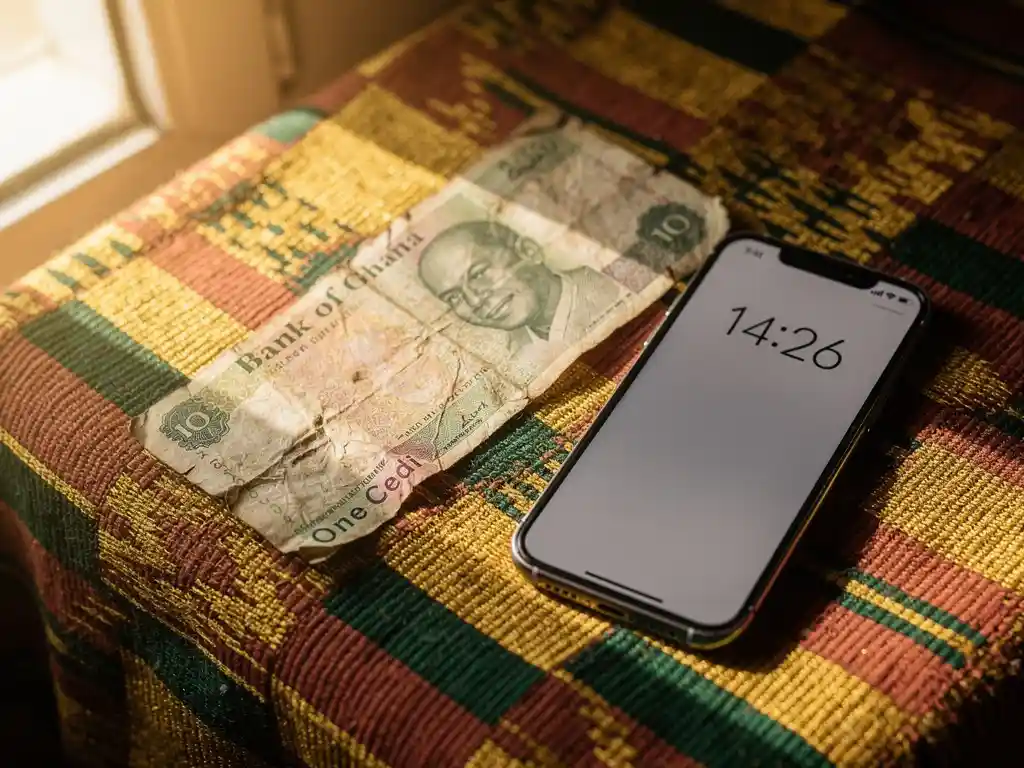
Yes, MoneyGram can send money to Ghana. The service supports transfers to Ghana through both its online platform and a wide network of physical agent locations, making it one of the more accessible options for sending funds to the country. Below, we break down how the process works, what it costs, and what alternatives are worth considering.
How does MoneyGram work for international transfers?
MoneyGram is an international money transfer service that allows you to send funds from one country to another either online, through its mobile app, or in person at an agent location. The recipient can collect cash at a local agent, receive the money directly into a bank account, or, in some regions, receive funds via mobile wallet.
To send money to Ghana using MoneyGram, you typically follow these steps:
- Create an account on the MoneyGram website or app, or visit a physical agent location.
- Enter the amount you want to send and select Ghana as the destination country.
- Choose the delivery method: cash pickup, bank deposit, or mobile wallet where available.
- Provide the recipient’s details, including their name and, for bank transfers, their account number.
- Pay for the transfer using a debit card, credit card, or cash at an agent.
- Share the reference number with your recipient so they can collect the funds.
MoneyGram’s network in Ghana includes numerous agent locations, particularly in major cities like Accra, Kumasi, and Tamale, making cash pickup a practical option for recipients who do not have a bank account.
What are MoneyGram’s fees for sending money to Ghana?
MoneyGram’s fees for sending money to Ghana vary depending on the amount sent, the payment method, and the delivery option selected. Fees are generally higher when paying by credit card compared to a bank transfer or debit card. Exchange rate margins also apply on top of any flat transfer fee, which means the total cost can be higher than the advertised fee alone suggests.
Here are the key cost factors to keep in mind:
- Transfer fee: A flat or tiered fee charged per transaction, which varies by send amount and payment method.
- Exchange rate margin: MoneyGram typically offers a rate slightly below the mid-market rate, meaning a portion of the cost is built into the currency conversion.
- Payment method surcharges: Credit card payments often carry an additional fee compared to bank transfers.
- Delivery method: Cash pickup and bank deposit options may carry different fee structures.
Before confirming any transfer, it is worth using MoneyGram’s fee estimator tool to see the full breakdown of costs. Comparing the total amount your recipient will receive, not just the advertised fee, gives you the clearest picture of what the transfer actually costs.
How long does a MoneyGram transfer to Ghana take?
MoneyGram transfers to Ghana can be available within minutes for cash pickup when sent online or through the app using a debit or credit card. Bank account deposits typically take one to three business days, depending on the receiving bank’s processing times and any compliance checks required on the transfer.
Several factors can affect how quickly your transfer arrives:
- Payment method: Card payments tend to process faster than bank-funded transfers.
- Delivery method: Cash pickup is usually the fastest option, often available within minutes of the transfer being confirmed.
- Compliance checks: Transfers flagged for additional verification can take longer to process.
- Time of day and day of the week: Transfers initiated outside business hours or on weekends may experience slight delays for bank deposits.
If speed is a priority, opting for cash pickup and paying by card is typically the fastest route for getting money to Ghana.
What are the alternatives to MoneyGram for sending money to Ghana?
Several alternatives to MoneyGram are worth considering when you want to send money to Ghana, particularly if you are looking for lower fees, better exchange rates, or a more seamless digital experience. The right choice depends on your priorities: speed, cost, convenience, or recipient accessibility.
Popular alternatives include services like Wise (formerly TransferWise), which is known for using the mid-market exchange rate with transparent fees, and WorldRemit, which offers mobile money delivery in addition to bank transfers and cash pickup. Remitly is another option frequently used by diaspora communities for its speed and competitive pricing on corridor-specific transfers.
When comparing alternatives, consider the following:
- Total cost: Compare the amount the recipient actually receives, not just the headline fee.
- Exchange rate: Some services offer rates closer to the mid-market rate, which can make a meaningful difference on larger transfers.
- Delivery options: Check whether mobile money, bank deposit, or cash pickup is available for your recipient’s situation.
- Language support: If navigating a platform in English is a barrier, look for services that offer multilingual support.
- Speed: If the transfer is urgent, prioritize services that offer near-instant delivery.
How FroggyTalk helps with sending money abroad
We built FroggyTalk to make life simpler for African diaspora communities in Europe, and that goes beyond calls. Our International Money Transfer Service lets you send money to family and friends across Africa, including Ghana, with full transparency on fees and exchange rates. No hidden charges, no surprises.
Here is what makes our service different:
- Transparent pricing: You see exactly what your recipient will receive before you confirm the transfer.
- Multilingual support: Everything in the app can be translated into your local language, whether that is Hausa, Amharic, Arabic, French, or another language you are comfortable with. We want you to feel heard, seen, and noticed.
- All in one place: Manage your calls, your Radio Hub, and your money transfers from a single trusted platform.
- Built for diaspora communities: We understand the specific corridors and needs of African communities across Europe, so our service is designed around your reality, not a generic global audience.
If you have questions about how our money transfer service works or want help getting started, get in touch with us and we will walk you through everything.
Frequently Asked Questions
Is MoneyGram safe to use for sending money to Ghana?
Yes, MoneyGram is a regulated money transfer operator licensed in multiple countries, making it a legitimate and generally safe option for sending funds to Ghana. That said, it is important to use the official MoneyGram website or app and to verify your recipient's details carefully before confirming any transfer. Be cautious of third-party agents or unsolicited requests to send money, as scams can target international transfer users.
What is the maximum amount I can send to Ghana through MoneyGram?
MoneyGram imposes sending limits that vary depending on your country of origin, the verification level of your account, and local regulations. In many cases, unverified accounts have lower limits, while fully verified accounts can send higher amounts. If you need to send a large sum, it is best to check MoneyGram's current limits directly on their website or contact their customer support, and also consider whether a bank-to-bank transfer might be more cost-effective at higher amounts.
Can my recipient in Ghana receive money via mobile money instead of cash pickup or a bank account?
Mobile money availability through MoneyGram in Ghana depends on the current partnerships and supported networks in the region, so it is worth checking the MoneyGram platform at the time of your transfer to see which delivery options are active. If mobile money is a priority for your recipient — particularly for those without a bank account but with access to services like MTN Mobile Money — alternatives such as WorldRemit or FroggyTalk's money transfer service may offer more reliable mobile wallet delivery options.
What information do I need to have ready before sending money to Ghana?
Before initiating a transfer, you will need your recipient's full legal name (exactly as it appears on their ID for cash pickup), their bank account details if you are using bank deposit, and a valid contact number for the recipient. On your end, you will need a verified MoneyGram account, a valid payment method such as a debit or credit card, and in some cases a government-issued ID for compliance purposes. Having all of this ready before you start the process helps avoid delays or failed transfers.
What should I do if my MoneyGram transfer to Ghana is delayed or stuck?
If your transfer is taking longer than expected, the first step is to check the transaction status using the reference number provided at the time of sending, either through the MoneyGram app, website, or by calling their customer service line. Delays are often caused by additional compliance or identity verification checks, which MoneyGram may resolve by requesting further documentation from you. If the issue persists, contacting MoneyGram support directly with your reference number is the most effective way to get a resolution.
How do I make sure I'm getting the best exchange rate when sending money to Ghana?
The key is to look beyond the advertised transfer fee and focus on the total amount your recipient will actually receive in Ghanaian cedis. Use MoneyGram's fee estimator and then compare it side by side with alternatives like Wise, Remitly, or FroggyTalk, which may offer rates closer to the mid-market rate. Even a small difference in the exchange rate can have a meaningful impact on larger transfers, so it is worth spending a few minutes comparing before you commit.
Can I send money to Ghana if I don't have a bank account myself?
Yes, if you do not have a bank account, you can still send money to Ghana by visiting a MoneyGram physical agent location in your country and paying with cash. You will need to provide valid identification and your recipient's details, and the agent will process the transfer on your behalf. Keep in mind that cash-funded transfers at agent locations may carry different fees compared to online transfers, so ask for the full cost breakdown before proceeding.