


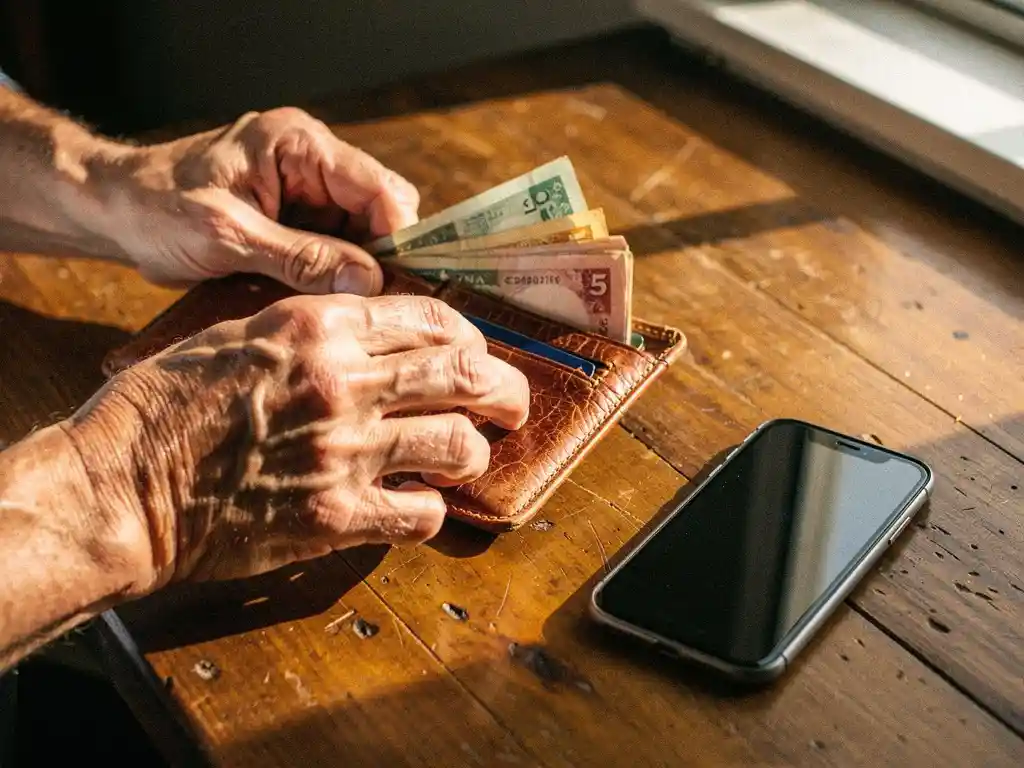
The safest way to send money to South Sudan is through a regulated, licensed money transfer operator that offers transparent fees, real-time tracking, and secure delivery options. Because South Sudan’s financial infrastructure is still developing, choosing the right service matters more here than in many other corridors. This article walks through the most important questions to ask before you transfer, so your money arrives safely and on time.
Which money transfer services actually work for South Sudan?
A handful of international money transfer services reliably cover the South Sudan corridor, including WorldRemit, MoneyGram, Western Union, and Remitly. Each operates through a mix of bank deposits, mobile wallets, and cash pickup networks. Because banking infrastructure in South Sudan remains limited, cash pickup through agent networks is often the most practical delivery method for recipients.
When choosing a service, the key question is not just whether the provider lists South Sudan as a destination, but whether it has active agent locations near your recipient. WorldRemit and MoneyGram both maintain agent networks inside South Sudan, making them reliable starting points. Mobile money options are growing but remain less widely available than in neighbouring countries, so always confirm the delivery method before you send.
- WorldRemit: Covers South Sudan with cash pickup and mobile money options
- MoneyGram: Broad agent network, useful for recipients in smaller towns
- Western Union: Long-established presence with cash pickup locations
- Remitly: Competitive rates, though delivery options may be more limited
Always check the provider’s website on the day you plan to send, as service availability can shift due to regulatory or operational changes in the region.
How do you verify a money transfer service is legitimate?
A legitimate money transfer service is licensed by a financial regulator in the country where it operates. In the European Union, providers must hold a Payment Institution licence issued by a national financial authority. In the United States, they must be registered with FinCEN. You can verify a provider’s licence directly on the regulator’s public register before you send a single euro or dollar.
Beyond licensing, look for these trust signals:
- Transparent fee disclosure: All fees and the exchange rate should be shown before you confirm the transfer, not after.
- Registered business address: A verifiable physical address and customer service contact, not just an email form.
- Secure website: Look for HTTPS and a padlock in your browser bar when entering personal or payment details.
- Independent reviews: Check Trustpilot or Google Reviews for patterns of complaints about missing funds or poor customer service.
- Clear complaints process: Legitimate providers publish how to escalate a dispute.
Avoid any service that asks you to send money through a personal bank account, promises unusually high exchange rates, or cannot show you a licence number. These are common signs of fraud targeting diaspora communities.
What are the fees and exchange rates for sending money to South Sudan?
Fees for sending money to South Sudan vary significantly between providers, typically consisting of a flat transfer fee plus a margin built into the exchange rate. The total cost is almost always higher than it first appears, because the exchange rate offered is usually worse than the mid-market rate. Always compare the amount your recipient will actually receive, not just the advertised fee.
South Sudan uses the South Sudanese Pound (SSP), and exchange rate volatility in the country means the rate can shift noticeably between the time you initiate and the time the transfer settles. Some providers lock in the rate at the point of sending, which protects you from mid-transfer fluctuations. Others apply the rate at settlement, which introduces uncertainty.
To get the clearest picture of total cost, use a comparison tool like Monito or Wise’s comparison feature. Enter the exact amount you want to send and compare what arrives at the other end across multiple providers. A service with a low flat fee but a poor exchange rate can easily cost more overall than one with a slightly higher fee and a better rate.
How long does a transfer to South Sudan typically take?
A money transfer to South Sudan typically takes between a few minutes and three business days, depending on the delivery method and the provider. Cash pickup transfers are often the fastest, sometimes available within minutes of the sender confirming the transaction. Bank deposits take longer, usually one to three business days, and are subject to the recipient bank’s own processing times.
Delays can occur when a provider’s compliance team flags a transaction for additional verification, which is more common for first-time transfers or larger amounts. Providing accurate sender and recipient information upfront, including full names as they appear on official documents, reduces the chance of a hold. If a transfer is delayed beyond the provider’s stated timeframe, contact customer support directly and ask for a reference number to track the issue.
What are the safest ways to receive money in South Sudan?
The safest ways to receive money in South Sudan are cash pickup through a registered agent and, where available, a mobile wallet deposit. Cash pickup is the most widely accessible option because it does not require the recipient to hold a bank account. The recipient visits an authorised agent location, presents a valid ID and the transfer reference number, and collects the funds in person.
Mobile money is growing as an alternative and offers the advantage of not requiring travel to an agent, which matters in areas where agent locations are sparse or travel is difficult. However, mobile money coverage in South Sudan is not yet as widespread as in countries like Kenya or Uganda, so availability depends heavily on the recipient’s location.
Bank deposits are the least practical option for most recipients in South Sudan, given that formal banking access remains limited across much of the country. If the recipient does have a bank account, confirm with the provider that the specific bank is supported before initiating the transfer.
Are there limits on how much money you can send to South Sudan?
Yes, most money transfer services apply sending limits to South Sudan, and these vary by provider, delivery method, and the sender’s verification level. Unverified accounts typically face lower limits, sometimes as little as a few hundred euros or dollars per transaction. Completing full identity verification, usually by uploading a government-issued ID and proof of address, raises these limits significantly.
Beyond provider limits, senders in the EU and other jurisdictions may also be subject to anti-money laundering regulations that require additional documentation for transfers above certain thresholds. This is not a barrier for most personal remittances, but it is worth knowing that larger transfers may require you to explain the source of funds.
Recipients in South Sudan may also face limits on how much cash they can collect at a single agent visit, depending on the agent’s available float. If you are sending a larger amount, it may be worth splitting the transfer or confirming with the agent network in advance.
How FroggyTalk helps you stay connected while sending money abroad
Sending money to South Sudan is only one part of staying close to the people who matter most. Staying in regular contact, checking that a transfer arrived, or simply having a conversation, all of that depends on affordable, reliable communication. That is exactly where we come in.
At FroggyTalk, we built our platform specifically for African diaspora communities in Europe who want to feel heard, seen, and noticed, no matter the distance. Here is what we offer:
- Affordable international calls to South Sudan, Nigeria, Eritrea, Sudan, Ethiopia, and more, billed per second with no hidden fees
- No app required for the recipient, so you can call any phone, not just smartphones
- Full multilingual support, including Tigrinya, Arabic, Hausa, Amharic, and more, and everything in the app can be translated into your local language
- A Radio Hub with African FM stations so you can stay connected to culture and news from home
- International Money Transfer built into the same platform, so you can call and pay bills abroad from one trusted place
We are more than a calling app. We are building a digital home base for Africans across Europe, where communication, culture, and practical support all come together. Ready to get started or have a question? reach out to our team and we will help you in your language.
Frequently Asked Questions
What should I do if my money transfer to South Sudan hasn't arrived after the expected timeframe?
Start by logging into your provider's platform and checking the transfer status using your transaction reference number. If the status shows no useful update, contact customer support directly, provide your reference number, and ask them to escalate the issue to their compliance or payments team. Keep a record of all communication, including dates and the names of agents you speak with, as this documentation is essential if you need to file a formal complaint or request a refund.
Can I send money to South Sudan from any country in Europe, or are some countries restricted?
Most major providers like WorldRemit, MoneyGram, and Western Union support sending from the majority of EU and European countries, but availability can vary depending on the provider's licensing in each specific country. Always select your sending country on the provider's website before entering any payment details, as this will show you the exact options and rates available from your location. If your country is not supported by one provider, it is worth checking a comparison tool like Monito to find alternatives that do cover your sending corridor.
What ID does my recipient in South Sudan need to collect a cash pickup transfer?
Recipients typically need to present a valid, government-issued photo ID — such as a national ID card, passport, or South Sudanese driving licence — along with the transfer reference number you provide them after sending. The name on the recipient's ID must match exactly the name you entered when initiating the transfer, so double-check spelling before you confirm the transaction. Some agents may also ask the recipient to confirm the sender's name or the exact amount being collected as an additional security step.
Is it safe to use an informal money transfer agent or hawala network instead of a licensed provider?
While informal networks like hawala have a long history of use in diaspora communities and can sometimes offer faster delivery or better rates, they carry significant risks compared to regulated providers. Unlicensed operators are not subject to financial oversight, meaning there is no regulatory body to turn to if funds go missing, and you have no legal recourse if something goes wrong. For peace of mind and financial protection, using a licensed, regulated provider is always the safer choice, especially for larger or time-sensitive transfers.
How can I get the best exchange rate when sending money to South Sudan?
The single most effective step is to compare the total amount your recipient will receive — not just the headline fee — across multiple providers on the day you plan to send, using a tool like Monito or Wise's comparison feature. Exchange rate margins can vary by several percentage points between providers, which on a transfer of €200 can easily translate to a difference of €10–€20 in what actually arrives. Also look for providers that lock in the exchange rate at the time you send, rather than applying it at settlement, to protect against rate movements during processing.
What common mistakes should I avoid when sending money to South Sudan for the first time?
The most costly mistake is entering recipient details incorrectly — even a minor spelling error in a name can cause a transfer to be held or rejected, so always cross-check the details against the recipient's official ID before confirming. Another common error is choosing a delivery method the recipient cannot easily access, such as a bank deposit for someone without a bank account, so confirm the pickup or delivery option with your recipient before you send. Finally, avoid skipping the fee comparison step; the first provider you find is rarely the most cost-effective, and a few minutes of comparison can save a meaningful amount on every transfer.
Are there any tax or reporting obligations I should be aware of when regularly sending money to South Sudan?
For most personal remittances sent to family members, there are no income tax obligations for the sender in EU countries, as these transfers are typically considered gifts rather than taxable income. However, if you are sending large or frequent amounts, some jurisdictions require financial institutions to report transactions above certain thresholds to anti-money laundering authorities — this is automatic on the provider's side and does not mean you have done anything wrong. If you are sending money for business purposes or in connection with a commercial arrangement, it is worth consulting a tax adviser in your country of residence to understand any reporting requirements that may apply to you.