


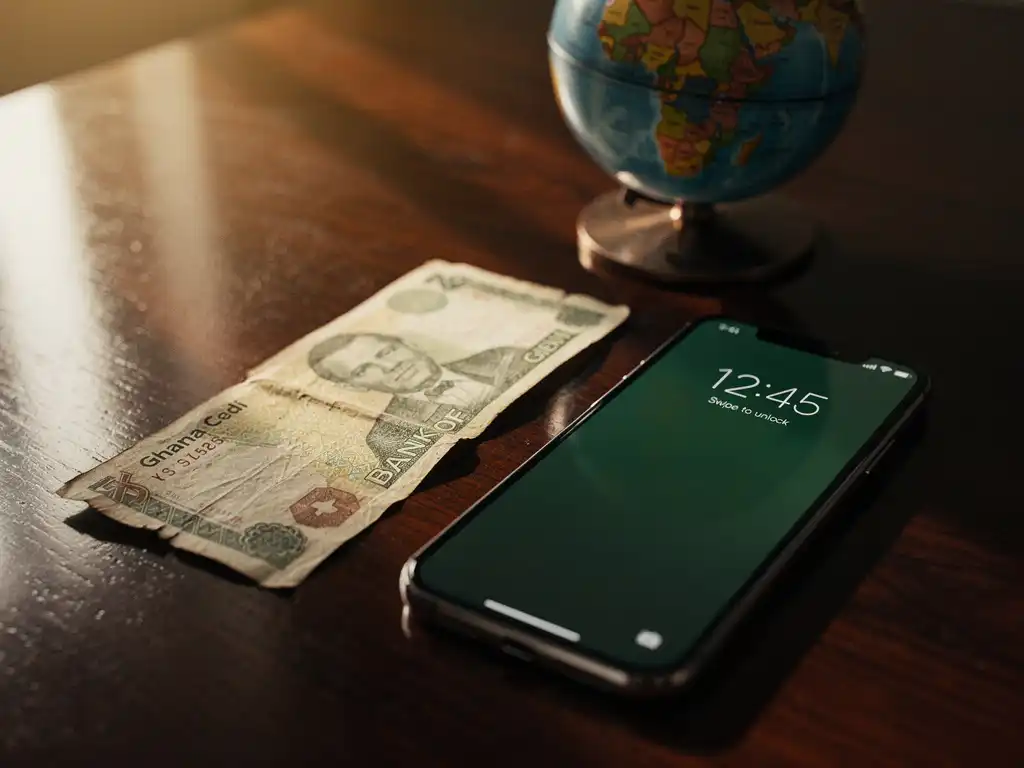
Several Ghanaian banks handle international transactions well, but the most commonly recommended options include Ghana Commercial Bank (GCB), Ecobank Ghana, Standard Chartered Ghana, Absa Ghana, and Stanbic Bank Ghana. These institutions maintain strong correspondent banking networks and support both incoming and outgoing international wire transfers. The right choice depends on your specific needs, such as transfer speed, fees, and the currencies you work with. Below, we answer the most common questions about banking internationally with Ghana.
Which Ghanaian banks support international wire transfers?
The banks in Ghana best equipped for international wire transfers are Ecobank Ghana, Standard Chartered Ghana, Absa Ghana, Stanbic Bank Ghana, and Ghana Commercial Bank (GCB). These banks hold SWIFT membership and maintain correspondent banking relationships that allow funds to move between Ghana and banks worldwide, including in Europe, North America, and across Africa.
Ecobank is particularly popular among diaspora communities because of its pan-African footprint, making transfers between African countries smoother. Standard Chartered and Absa have strong reputations for handling foreign currency accounts and serving customers with international financial needs. GCB, as one of Ghana’s largest state-linked banks, offers broad accessibility across the country, which can be useful if your recipient lives outside Accra.
When choosing a bank for international transfers, consider whether your recipient already holds an account there. Transfers within the same bank group are often faster and cheaper than cross-institution wires.
What fees do Ghanaian banks charge for international transactions?
Ghanaian banks typically charge a combination of an outgoing wire fee, a correspondent bank fee, and sometimes a currency conversion margin. Incoming international transfers may also carry a receiving fee. Exact amounts vary by bank, but incoming wire fees commonly range from a flat charge to a small percentage of the transferred amount, and correspondent banks along the transfer route may deduct their own fees before the money arrives.
Here is what to watch for when comparing bank fees for international transfers to Ghana:
- Incoming transfer fee: Charged by the recipient’s Ghanaian bank when the funds arrive
- Correspondent bank deductions: Intermediary banks in the SWIFT chain may take a cut before the money reaches Ghana
- Currency conversion margin: The exchange rate offered by the bank is often less favorable than the mid-market rate, meaning you lose value in the conversion
- Account maintenance fees: Some foreign currency accounts carry monthly charges
Always ask your bank for a full fee breakdown before initiating a transfer, and confirm with your recipient whether their bank charges a receiving fee at the Ghana end.
How long does an international bank transfer to Ghana take?
An international bank transfer to Ghana typically takes between two and five business days to arrive. The exact duration depends on the number of correspondent banks involved in the SWIFT chain, the currencies being exchanged, and whether the transfer is flagged for compliance review. Transfers from Europe to Ghana often fall within the two-to-three-day range under normal circumstances.
Delays can occur for several reasons. Transfers sent late on a Friday may not begin processing until Monday. Public holidays in either the sending or receiving country add extra days. Transfers involving less common currency pairs may require additional routing steps. If a transfer is flagged for anti-money laundering checks, it can be held for several days while documentation is reviewed.
If speed matters, it is worth asking your bank whether they offer same-day or priority wire options, though these typically come at a higher fee.
What’s the difference between using a bank and a money transfer app for Ghana?
The key difference is cost, speed, and convenience. Traditional banks process international transfers through the SWIFT network, which is reliable but slower and often more expensive due to multiple fees along the chain. Money transfer apps and fintech services typically offer lower fees, more transparent exchange rates, and faster delivery, sometimes within minutes or hours rather than days.
For diaspora communities sending money home regularly, the cost difference over time can be significant. Banks tend to suit large, infrequent transfers where security and institutional trust are the priority. Transfer apps work better for regular, smaller amounts where affordability and speed matter most.
Another practical advantage of transfer apps is accessibility. Many do not require the recipient to have a bank account at all, which matters in regions of Ghana where banking infrastructure is less developed. Some services deliver directly to mobile money wallets, which brings us to the next question.
What documents are needed to receive an international bank transfer in Ghana?
To receive an international bank transfer in Ghana, the recipient typically needs a valid bank account and must provide the sender with their full account number, the bank’s SWIFT or BIC code, the bank’s branch address, and sometimes an IBAN equivalent or routing number, depending on the sending country’s requirements.
- Full legal name as it appears on the bank account
- Bank account number (savings or current account)
- Bank name and branch where the account is held
- SWIFT/BIC code of the recipient’s Ghanaian bank
- Bank branch address (required by some sending institutions)
- Purpose of transfer (some banks require a brief description for compliance)
For larger transfers, Ghanaian banks may ask the recipient to provide documentation explaining the source or purpose of the funds. This is part of standard anti-money laundering compliance and is not a sign that anything is wrong. Having a national ID or passport on hand can speed up the process if the bank requests identity verification.
Can Ghanaians receive international transfers through mobile money instead of a bank?
Yes, Ghanaians can receive international transfers directly to a mobile money wallet, and this is increasingly popular. Services like MTN Mobile Money (MoMo) and Vodafone Cash in Ghana accept international remittances through partner transfer platforms, bypassing the need for a traditional bank account entirely. This makes international money transfers accessible to a much wider population, including those in rural areas.
Mobile money delivery is often faster than a bank wire and can be more affordable depending on the transfer service used. The recipient simply needs a registered mobile money account linked to their Ghanaian phone number. The sender chooses a transfer service that supports mobile money delivery to Ghana and enters the recipient’s number.
This option is especially relevant for families where the recipient does not have a formal bank account but uses mobile money for everyday transactions, which is common across Ghana and much of West Africa.
How FroggyTalk Helps You Stay Connected and Send Money Abroad
We built FroggyTalk because we know how important it is to feel heard, seen, and noticed, no matter where in the world you are. Staying in touch with family in Ghana or anywhere across Africa should not cost a fortune, and neither should sending them money when they need it.
Here is what we offer to make life easier for the African diaspora in Europe:
- Affordable international calls billed per second with no hidden fees, so every minute counts
- Multilingual support across the entire app, including Hausa, English, Arabic, French, and more, so you can navigate everything in your own language
- International money transfers with transparent rates, real-time tracking, and no surprise charges
- A Radio Hub featuring African FM stations so you never lose touch with home culture
- A single platform for both communication and bill payment services, keeping everything in one trusted place
Whether you are calling a relative in Accra, sending money for school fees, or just wanting to hear a familiar voice on the radio, we are here to make it simple, affordable, and human. Get in touch with us and let us show you how we can help.
Frequently Asked Questions
Is it safe to send large sums of money to a Ghanaian bank account?
Yes, sending large amounts to a reputable Ghanaian bank is generally safe, provided you use a regulated transfer service and verify the recipient's account details carefully. For high-value transfers, banks on both ends will apply enhanced due diligence checks, which may include requesting documentation about the source of funds — this is standard compliance practice, not a red flag. To protect yourself, always confirm the recipient's SWIFT code and account number directly with them before initiating the transfer, and keep a record of the transaction reference number.
What happens if my international transfer to Ghana gets stuck or delayed?
If your transfer hasn't arrived within five business days, the first step is to contact your sending bank or transfer service and request a trace using the SWIFT reference number (also called a UETR). This unique tracking code allows banks to locate exactly where in the transfer chain the funds are held. Common reasons for holds include compliance reviews, mismatched account details, or correspondent bank processing backlogs — most issues are resolved within a few additional business days once identified.
Can I open a foreign currency account at a Ghanaian bank to avoid repeated conversion fees?
Yes, several Ghanaian banks — including Standard Chartered Ghana, Absa Ghana, and Ecobank — offer foreign currency accounts (FCAs) that allow you to hold funds in USD, GBP, or EUR without converting them to Ghanaian cedis immediately. This is especially useful if you receive regular international payments and want to avoid unfavorable conversion rates each time funds arrive. Keep in mind that FCAs may carry monthly maintenance fees, so compare the long-term savings against those charges before opening one.
Are there transfer limits on how much money I can send to Ghana internationally?
Transfer limits vary depending on both the sending platform and Ghanaian regulatory requirements. Ghana's Foreign Exchange Act and Bank of Ghana guidelines govern how foreign currency moves in and out of the country, and large inflows may require the recipient to declare the source of funds. On the sending side, banks and fintech platforms set their own per-transaction and monthly limits, which can often be raised by completing enhanced identity verification. If you need to send a substantial amount, it's worth contacting your bank or transfer service in advance to understand the process and avoid unnecessary delays.
What is the best way to get a favorable exchange rate when sending money to Ghana?
The best exchange rates are typically found through specialist money transfer services rather than traditional banks, as banks often apply a significant margin on top of the mid-market rate. Before sending, compare the effective exchange rate — not just the advertised rate — across a few platforms, and factor in all fees to calculate the true cost. Timing your transfer during mid-week business hours (when currency markets are most liquid) and avoiding weekends can also help you lock in a better rate.
Do I need to notify the Bank of Ghana or any authority when receiving a large international transfer?
For most routine transfers, the recipient does not need to personally notify the Bank of Ghana — the receiving bank handles regulatory reporting on their behalf. However, for very large inflows (typically above certain thresholds set by the bank), the recipient may be asked to provide documentation explaining the purpose or source of the funds as part of anti-money laundering compliance. It's a good idea to have a brief explanation and any supporting documents ready — such as a contract, invoice, or gift letter — to avoid delays when the funds arrive.
Can I send money to Ghana if my recipient doesn't have a bank account or a mobile money wallet?
Options are more limited without a bank account or mobile money wallet, but some transfer services offer cash pickup as a delivery method, allowing recipients to collect funds in person at a partner agent location across Ghana. Services like Western Union and WorldRemit support cash pickup at various locations nationwide. That said, encouraging your recipient to register for a mobile money account (such as MTN MoMo) is often the most practical long-term solution, as it's free to set up, widely supported, and opens the door to faster, more affordable international transfers in the future.