


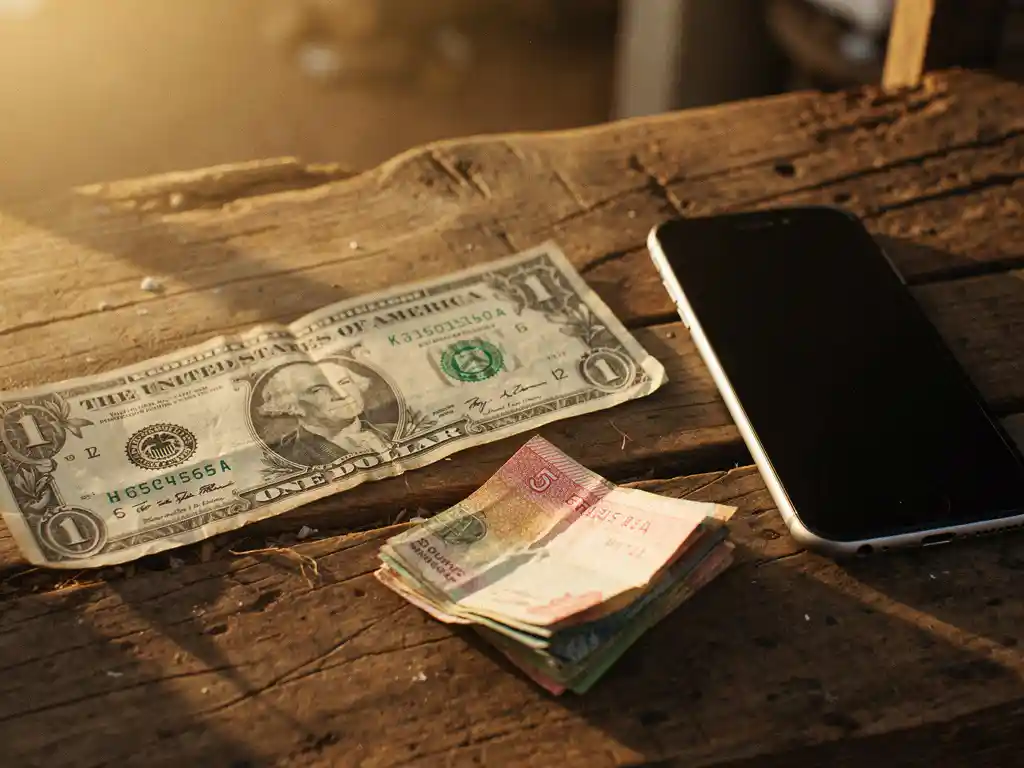
If you have family or business contacts in South Sudan, understanding how money and currency work there is essential. Whether you’re visiting, sending funds, or simply trying to stay connected, knowing which currency is accepted and how the local economy operates can save you time, stress, and money.
This guide answers the most common questions about USD in South Sudan, currency exchange, and how to send money to South Sudan reliably from Europe.
What is the official currency of South Sudan?
The official currency of South Sudan is the South Sudanese pound (SSP). It was introduced in 2011, when South Sudan gained independence from Sudan. The SSP is issued by the Bank of South Sudan and is legal tender for all transactions within the country.
In practice, however, the SSP has faced significant challenges. Years of conflict, political instability, and economic pressure have caused the currency to lose value rapidly over time. This has made everyday financial planning difficult for ordinary South Sudanese people and has pushed many toward using foreign currencies for larger or more stable transactions.
Why do people prefer USD over the South Sudanese pound?
Yes, USD is widely accepted in South Sudan, and many people actively prefer it over the South Sudanese pound due to the SSP’s instability. The US dollar offers a more predictable store of value, making it the go-to currency for business dealings, rent payments, and larger purchases across the country.
There are several reasons behind this preference:
- Currency devaluation: The SSP has experienced significant inflation, meaning its purchasing power can drop quickly.
- Business confidence: Merchants and landlords often quote prices in USD to protect themselves from exchange-rate fluctuations.
- International trade: Many goods are imported and priced in USD, making it the practical currency for commerce.
- Savings security: Families tend to hold USD to preserve the value of their savings over time.
For diaspora members sending money home, this preference for USD is important to understand. Your recipient may prefer to receive funds in dollars or have access to a dollar-denominated account, depending on their location and needs.
Where can you exchange USD in South Sudan?
You can exchange USD in South Sudan at commercial banks, licensed forex bureaus, and some hotels in major cities such as Juba. Forex bureaus are the most commonly used option and can be found throughout Juba’s business districts. Rates vary between providers, so it is worth comparing options before exchanging.
A few practical tips for exchanging money in South Sudan:
- Always use licensed and reputable exchange providers to avoid counterfeit currency or unfair rates.
- Carry clean, undamaged USD notes, as some vendors and exchange bureaus reject worn or older-series bills.
- Smaller denominations can be useful for day-to-day spending, as change can be hard to come by.
- Keep receipts from exchanges in case you need to convert any remaining SSP back to USD before leaving.
Mobile money services are also growing in South Sudan, though coverage and reliability can vary by region. For people in more rural areas, access to formal exchange services may be limited.
What should you know before sending money to South Sudan?
Before you send money to South Sudan, it is important to understand that transfer options can be limited compared to more financially developed markets. Infrastructure challenges, limited banking penetration, and network instability mean that not all international transfer services operate smoothly in the country.
Here is what to keep in mind:
- Recipient access: Confirm how your recipient will collect the funds, whether through a bank account, mobile wallet, or cash pickup location.
- Transfer fees: Always check the full cost of the transfer, including both the service fee and the exchange rate applied, as hidden margins can significantly reduce the amount received.
- Delivery time: Transfer speeds vary by provider; some services take minutes, while others may take several business days.
- Local availability: Make sure your chosen service has payout locations or mobile money partners that are accessible to your recipient.
Transparency matters enormously when you are supporting family across borders. A service that shows you exactly what your recipient will receive, with no surprise deductions, gives you real peace of mind. Explore bill payment and transfer options that are built with diaspora communities in mind.
How can you make affordable calls to South Sudan from Europe?
Making affordable calls to South Sudan from Europe is possible through internet-based calling apps that connect to regular phone lines. This means your family in South Sudan does not need a smartphone or an internet connection to receive your call. You simply call their mobile or landline number directly from the app.
When choosing a calling service, look for one that charges by the second rather than by the minute. Per-second billing means you pay only for the exact time you speak, which can add up to meaningful savings over time. For example, a short two-minute check-in should not cost the same as a ten-minute conversation.
It also helps to choose a service that supports your language. Navigating a calling app in a language you are not fully comfortable with creates unnecessary stress. A platform where everything can be translated into your local language—whether that is Arabic, Hausa, Amharic, or another language—makes the whole experience smoother and more welcoming.
How FroggyTalk helps you stay connected and send money to South Sudan
We built FroggyTalk because we know what it feels like to be far from home and struggle to stay connected. We want every member of the African diaspora in Europe to feel heard, seen, and valued—not like just another user on a platform.
Here is what we offer:
- Affordable international calls charged per second with no hidden fees, so your minutes go further.
- No app needed on the recipient’s side, meaning you can call any phone in South Sudan directly.
- Multilingual support with the entire app available in your local language, including Arabic, Hausa, Amharic, and more.
- International money transfer with transparent fees and competitive rates, so your family receives what you intend to send.
- A Radio Hub featuring African FM stations, keeping you connected to the culture and news from home.
Whether you want to call a loved one in Juba or send money to South Sudan securely from Europe, we are here to make it simple, affordable, and human. Get in touch with us today and let us help you stay close to the people who matter most.