


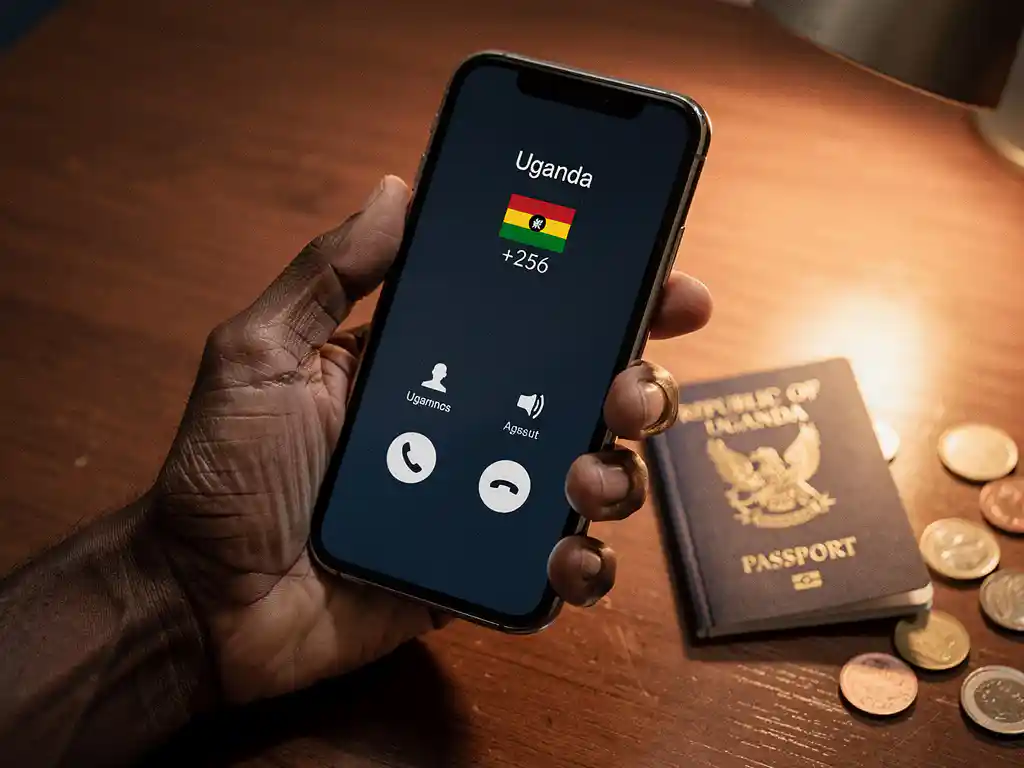
If you have received a call from a number starting with +256 and felt unsure whether to pick up or call back, you are not alone. International numbers can feel unfamiliar, and it is completely natural to wonder whether the person on the other end is someone you know or someone with less honest intentions. The good news is that understanding what a +256 number actually is, and how to spot the difference between a genuine call and a potential scam, makes the whole situation a lot less stressful. Whether you are trying to make a call to Uganda or have simply received one out of the blue, this guide has you covered.
Below, we answer the most common questions people ask about +256 numbers, from what the code means to how you can protect yourself and stay connected safely and affordably.
What is the +256 country code?
+256 is the international dialling code for Uganda. When you see a phone number beginning with +256, it means the call is originating from Uganda or the number is registered there—a country in East Africa. The plus sign represents the international dialling prefix used before the country code when calling from abroad.
Uganda is home to over 45 million people and has a growing mobile phone market, which means calls from +256 numbers are extremely common for anyone with family, friends, colleagues, or business contacts in the country. Major Ugandan mobile operators such as MTN Uganda and Airtel Uganda use numbers under this country code, so a +256 number is not inherently suspicious.
That said, the fact that a number originates from Uganda does not automatically mean you know the caller. Scammers can and do spoof international numbers, which is why it is worth knowing how to evaluate any unexpected call from abroad.
Is it safe to answer or call back a +256 number?
Answering a +256 number is generally safe, as long as you do not share personal or financial information with someone you cannot verify. Simply picking up the phone does not put you at risk. The danger lies in what happens during the conversation, not in the act of answering itself.
Calling back a +256 number, however, requires a little more caution. If you received a missed call from a +256 number you do not recognise, calling back could connect you to a premium-rate line or a scammer posing as a legitimate contact. Before you call back an unknown international number, ask yourself whether you have any contacts in Uganda. If the answer is no, it is worth pausing before dialling.
If you do have family or friends in Uganda and the number looks unfamiliar, it may simply be a new SIM card or a borrowed phone. In that case, reaching out through a messaging app first to confirm who is trying to reach you is a sensible step before returning the call.
What are the most common scams involving international numbers like +256?
The most common scams involving international numbers like +256 include the “one-ring” or “wangiri” scam, impersonation fraud, and romance scams. These schemes rely on curiosity, urgency, or emotional connection to get you to act before you think.
- Wangiri scam: The caller rings once and hangs up, hoping you will call back out of curiosity. When you do, you are connected to a premium-rate number that charges high per-minute fees.
- Impersonation fraud: A caller pretends to be a government official, a bank representative, or even a family member in distress, pressuring you to send money or share sensitive details.
- Romance scams: The scammer builds a relationship over time, eventually asking for financial help, gifts, or personal information.
- Lottery or prize scams: You are told you have won something and must pay a fee or provide bank details to claim it.
- Tech support fraud: Someone claims your device or account has been compromised and asks for remote access or payment to fix it.
It is worth noting that these scams are not unique to +256 numbers. They occur with international numbers from all over the world. The country code alone does not make a call a scam, but being aware of these patterns helps you respond wisely.
How can you tell if a +256 call is legitimate?
A legitimate +256 call is most likely genuine if you have contacts in Uganda, the caller identifies themselves clearly, and there is no pressure to act urgently or share financial details. Legitimate callers, whether personal or professional, do not typically demand immediate payment or threaten consequences if you hang up.
Here are some practical ways to assess whether a call from a +256 number is trustworthy:
- Check your contacts: Does the number match someone you already know? Even if the number is new, ask the caller to identify themselves before continuing the conversation.
- Listen for pressure tactics: Urgency, threats, and requests for secrecy are major red flags. Genuine callers will understand if you need time to verify who they are.
- Verify through a separate channel: If someone claims to be a family member or a known organisation, hang up and contact them directly through a number or method you already trust.
- Watch for payment requests: Legitimate contacts rarely ask for wire transfers, gift cards, or cryptocurrency, especially on a first call.
- Search the number online: A quick search of the +256 number can sometimes reveal whether others have reported it as suspicious.
Trust your instincts. If something feels off, it is always okay to end the call and investigate before engaging further.
How can you safely call Uganda and other African countries?
The safest and most cost-effective way to call Uganda is through a trusted international calling app that offers transparent pricing, per-second billing, and no hidden fees. This ensures you are in control of your spending and are connecting through a reliable platform rather than unpredictable phone networks.
When choosing a service to call Uganda or other African countries, look for these qualities:
- Clear, upfront rates displayed before you make a call
- Per-second billing so you are never charged for time you did not use
- No connection fees or surprise charges
- Good call quality even when the recipient does not have internet access
- Customer support in your preferred language
Using a dedicated international calling service also means you are calling from a known, traceable number, which makes you a more recognisable caller to the person you are trying to reach. This is especially helpful when calling family members who might otherwise be cautious about picking up an unknown number.
What should you do if you receive a suspicious +256 call?
If you receive a suspicious call from a +256 number, the best course of action is to hang up, avoid calling back, and report the number to your national telecoms regulator or consumer protection authority. Do not engage with the caller, share personal details, or make any payments.
Here is what to do step by step after receiving a suspicious international call:
First, do not call back the number if you did not answer and do not recognise it. If you did answer and something felt wrong, end the call without providing any information. Next, block the number on your phone to prevent further contact. Then, report the number to the relevant authority in your country, such as Ofcom in the UK, the ACM in the Netherlands, or the FCC in the United States. You can also report it to consumer protection platforms that track scam numbers internationally.
If you believe you may have already shared sensitive information or made a payment, contact your bank immediately and explain what happened. Acting quickly in these situations can make a significant difference in limiting any harm.
How FroggyTalk helps you call Uganda safely and affordably
We built FroggyTalk specifically for diaspora communities that need reliable, affordable ways to stay connected with the people they love across Africa. When it comes to calling Uganda or any other African country, we want you to feel heard, seen, and confident every time you pick up the phone.
- Make calls to Uganda and across Africa using only an internet connection, with no need for the recipient to have the app
- Enjoy transparent, per-second billing with no hidden fees or connection charges, so you always know exactly how many minutes you are getting for your money
- Access the app in your own language, because everything in FroggyTalk can be translated into your local language, including Tigrinya, Arabic, Hausa, Amharic, French, and more
- Benefit from high call quality even when connecting to standard phone lines across Africa
- Check our current calling rates before you dial, so there are never any surprises
Ready to call Uganda and stay connected with the people who matter most? Check our latest calling rates and see how affordable it can be, or get in touch with our team if you have any questions. We are here for you.