


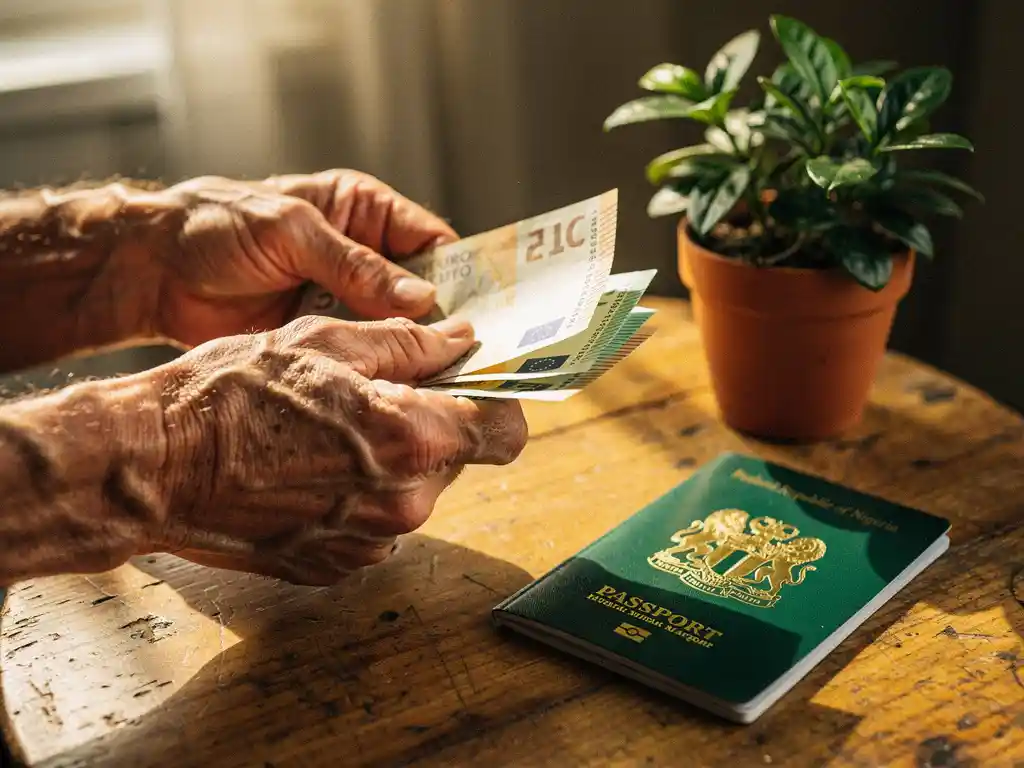
Sending money to Nigeria is one of the most common financial needs for Nigerians living across Europe. Whether you are supporting family back home, paying school fees, or contributing to a business, finding a fast, affordable, and reliable way to transfer funds matters enormously. This guide walks you through everything you need to know to send money to Nigeria with confidence.
From understanding costs and transfer times to choosing the right app and staying safe, we have answered the most important questions so you can make informed decisions every time you send money to Nigeria.
What is the best way to send money to Nigeria?
The best way to send money to Nigeria depends on your priorities, but for most people, the ideal method combines low fees, a strong exchange rate, fast delivery, and a trustworthy platform. For regular transfers, using a dedicated international money transfer app or service is almost always better than using a traditional bank.
Banks tend to charge high fees and offer poor exchange rates, meaning your recipient gets significantly less than you sent. Specialist transfer services, on the other hand, are built specifically for international remittances and compete hard on price and speed. Mobile money and direct bank deposits are the two most common delivery methods for recipients in Nigeria, and most modern platforms support both.
The right choice also depends on how often you send, how much you send, and whether your recipient has a bank account. For frequent senders, finding a single reliable platform and sticking with it saves time and builds familiarity with the process.
How much does it cost to send money to Nigeria?
The cost to send money to Nigeria typically includes a transfer fee and a margin built into the exchange rate. Transfer fees can range from near zero to several euros, depending on the platform, while the exchange rate margin is often where services make most of their money. Always compare the total amount your recipient will receive, not just the advertised fee.
To get a true picture of the cost, use the mid-market exchange rate (the rate you see on Google) as your benchmark. If a service offers a rate significantly below that, the difference is effectively an additional fee. Some platforms charge a flat fee per transfer, while others charge a percentage of the amount sent.
Sending larger amounts tends to reduce the relative cost, since flat fees become a smaller proportion of the total. It is worth calculating the cost per transfer before committing to a platform, especially if you plan to send money regularly.
How long does a money transfer to Nigeria take?
A money transfer to Nigeria can take anywhere from a few minutes to three business days, depending on the service you use, the delivery method, and when you initiate the transfer. Many modern transfer apps offer instant or same-day delivery to Nigerian bank accounts and mobile wallets.
Transfers initiated on weekends or public holidays may take longer, as some processing steps depend on banking hours. First-time transfers can also take slightly longer because platforms often run identity verification checks before releasing funds.
If speed is critical, look for services that explicitly advertise instant transfers to Nigeria and check user reviews to confirm that real-world delivery times match what is advertised.
What do you need to send money to Nigeria?
To send money to Nigeria, you typically need the following information and documents ready before you begin a transfer:
- A valid government-issued ID (passport, national ID, or residence permit)
- Your recipient’s full name as it appears on their bank account or ID
- Your recipient’s bank account number and bank name, or their mobile money details
- Your own verified account on the transfer platform
- A payment method such as a debit card, credit card, or linked bank account
Most platforms require identity verification the first time you send, in line with anti-money laundering regulations. This usually involves uploading a photo of your ID and sometimes a selfie. Once verified, repeat transfers are much faster and require only the recipient’s details and payment information.
Always double-check the recipient’s account details before confirming a transfer. Errors in account numbers can cause delays or, in some cases, misdirected funds that are difficult to recover.
Which money transfer apps work best for sending money to Nigeria?
Several money transfer apps are widely used and well regarded for sending money to Nigeria from Europe. The best apps combine competitive rates, fast delivery, strong security, and a smooth user experience. Some of the most commonly used options include:
- Wise (formerly TransferWise) — Known for using the mid-market exchange rate and transparent fees, making it easy to see exactly what you pay.
- Remitly — Popular for fast transfers to Nigerian bank accounts and mobile money, with clear delivery-time guarantees.
- WorldRemit — Offers a wide range of delivery options in Nigeria, including bank deposits, mobile money, and airtime top-ups.
- Sendwave — Frequently offers zero-fee transfers to Nigeria, making it attractive for smaller, regular remittances.
- LemFi (formerly Lemonade Finance) — Built specifically for the African diaspora, with accounts designed for Nigerians in Europe.
The best app for you depends on your specific situation. Compare rates and fees for your exact transfer amount and destination before choosing, as pricing can vary significantly between providers.
What are the safest ways to send money to Nigeria?
The safest ways to send money to Nigeria involve using regulated, licensed transfer services that comply with financial regulations in both your country of residence and Nigeria. Always choose platforms that are authorised by a financial regulator, such as the Financial Conduct Authority (FCA) in the UK or the relevant authority in your European country.
Safe transfer practices include:
- Using only platforms with clear regulatory licensing and published contact details
- Verifying recipient details carefully before every transfer
- Avoiding transfers requested by people you have not met in person or verified independently
- Using platforms with two-factor authentication and transaction notifications
- Keeping records of all transfers, including confirmation numbers and receipts
Scams targeting diaspora communities do exist, often involving impersonation of family members or fake emergency requests. If you receive an unexpected urgent request for money, verify it through a separate phone call before transferring anything.
How FroggyTalk helps with sending money to Nigeria
We built FroggyTalk because we believe every African abroad deserves to feel heard, seen, and valued—and that means going beyond calls. Our International Money Transfer Service is designed with the same values that drive everything we do: transparency, affordability, and genuine care for our community.
Here is what makes our service different:
- No hidden fees and no connection charges, so you always know exactly what you are paying
- Competitive exchange rates that protect the value of every transfer
- Real-time transaction tracking so you and your recipient stay informed
- Multilingual support in Tigrinya, English, Arabic, Hausa, Amharic, Dutch, French, Swedish, Danish, Norwegian, and Italian, because the entire app can be used in your local language
- A single platform where you can manage both your calls and your transfers, saving you time and effort
Whether you are sending money to family in Lagos or covering essential costs back home, we are here to make it simple and stress-free. Get in touch with our team and let us help you send money to Nigeria the right way.