


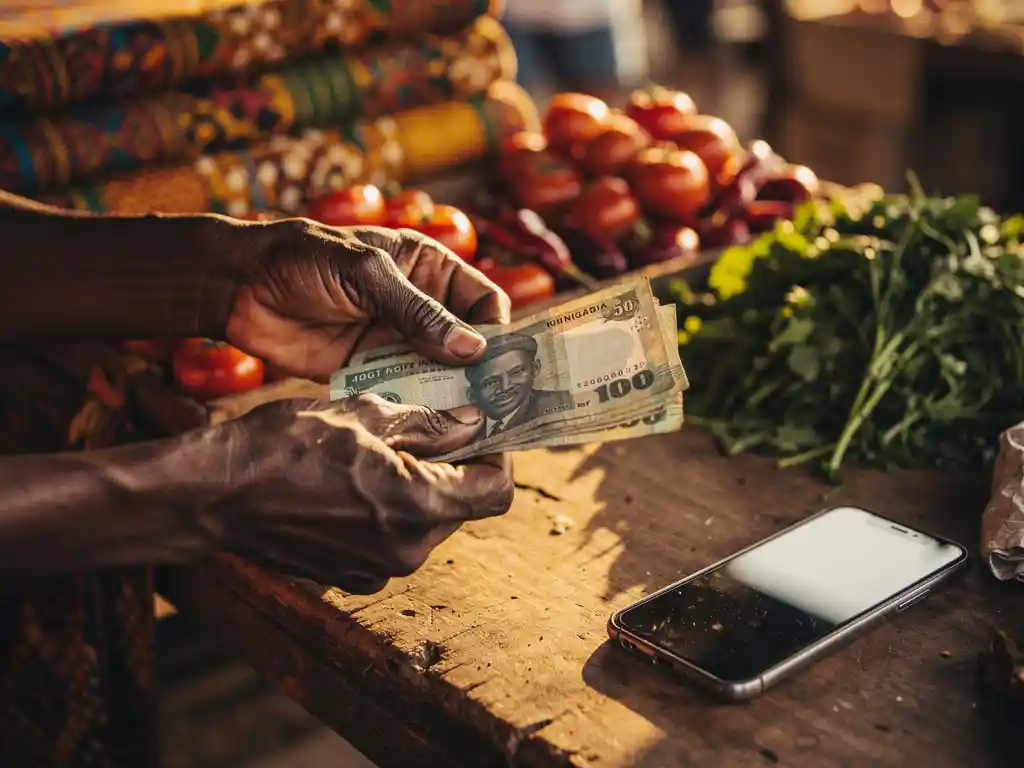
Every year, millions of people living abroad send money back to their home countries to support their families, fund small businesses, and invest in their communities. These international money transfers are far more than personal gestures of love and loyalty. They are a powerful economic force that shapes livelihoods, national budgets, and long-term development around the world.
Understanding how remittances work and what they actually achieve helps diaspora communities make smarter decisions about how, when, and through whom they send money. This article breaks down the key questions around international money transfers and their real impact, with a particular focus on Africa.
What are international money transfers and why do they matter?
International money transfers, also called remittances, are funds sent by individuals living abroad to recipients in their home countries. They matter enormously because they represent one of the most direct and consistent flows of financial support into communities that often lack access to formal banking, stable employment, or government social safety nets.
Unlike foreign aid, which moves through governments and institutions, remittances go directly into the hands of families. This makes them uniquely efficient. A mother in Addis Ababa, a farmer in Kano, or a small shop owner in Asmara can receive funds within minutes and use them immediately for food, school fees, rent, or medicine. The directness of this transfer is what makes it such a powerful development tool, particularly across the African continent.
How much money do African diaspora communities send home each year?
African diaspora communities send tens of billions of dollars home each year, making remittances one of the largest sources of external financing for the continent. Countries like Nigeria, Egypt, Ghana, Kenya, and Senegal consistently rank among the top recipients of remittance flows globally, with Nigeria alone receiving billions annually from its diaspora in Europe and North America.
What makes these figures even more striking is that remittance flows to Africa have remained relatively stable even during global economic downturns. While foreign direct investment and aid can fluctuate sharply with political or market conditions, diaspora communities tend to send money home regardless of external pressures, often increasing their transfers during crises to support families facing hardship. This resilience makes remittances a uniquely dependable source of income for many African economies.
How do remittances affect household income and poverty in Africa?
Remittances directly increase household income for recipient families, often lifting them above the poverty line and enabling spending on essentials that would otherwise be out of reach. Families receiving regular transfers from abroad are better able to afford healthcare, keep children in school, and maintain stable housing, which creates a compounding positive effect across generations.
Beyond covering basic needs, remittances also enable small-scale investment. Many recipients use funds to start or expand a small business, purchase agricultural equipment, or build and improve their homes. These activities generate local employment and stimulate demand for goods and services within communities, spreading the economic benefit beyond the immediate recipient household.
It is also worth noting that remittances disproportionately support women. In many African households, women are the primary recipients and managers of funds sent from abroad, giving them greater economic agency and decision-making power within the family unit.
What role do remittances play in African national economies?
At the national level, remittances contribute directly to foreign exchange reserves, help stabilise local currencies, and in some countries represent a larger share of GDP than either foreign aid or foreign direct investment. For smaller economies with significant diaspora populations, this inflow of foreign currency can be genuinely transformative.
Governments across Africa have begun to recognise remittances as a strategic economic asset. Some countries have introduced diaspora bonds or special savings schemes to channel remittance income into infrastructure and development projects. When managed well, the collective financial power of diaspora communities can fund roads, schools, and healthcare facilities in ways that traditional aid cannot.
Remittances also reduce pressure on public spending. When families can cover their own healthcare and education costs through funds received from abroad, governments can direct limited public resources toward broader infrastructure and institutional development.
How do high transfer fees reduce the economic impact of remittances?
High transfer fees are one of the most significant barriers to maximising the economic impact of remittances. When a sender pays a large percentage of their transfer in fees, that money never reaches the recipient. Over time and across millions of transactions, the cumulative loss is enormous, representing billions that could have supported families and communities but instead went to financial intermediaries.
The Africa corridor has historically been one of the most expensive in the world for money transfers. Several factors drive these high costs:
- Limited competition among established transfer operators in certain corridors
- Currency exchange margins that are not always clearly disclosed
- Fixed connection or processing charges applied regardless of the amount sent
- Lack of digital infrastructure in some destination countries, forcing reliance on cash-based networks
- Regulatory compliance costs passed on to the sender
The practical consequence is that a family expecting a certain amount receives less than expected, reducing their ability to cover essential costs. Transparent, low-cost transfer services are not just a convenience. They are a matter of economic justice for diaspora communities and the families who depend on them.
How can African diaspora communities maximise the impact of money sent home?
Maximising the impact of international money transfers comes down to reducing costs, improving timing, and encouraging productive use of funds at the receiving end. Small adjustments in how and where you send money can meaningfully increase what arrives and how far it goes.
Here are practical steps diaspora members can take:
- Compare transfer services carefully and look beyond the headline fee to include the exchange rate margin, which is where many providers quietly take a cut.
- Send larger amounts less frequently when possible, as fixed fees become proportionally smaller relative to the total amount transferred.
- Use digital transfer platforms that offer transparent, per-transaction pricing with no hidden charges.
- Communicate with recipients about how funds are being used, encouraging savings and investment alongside essential spending.
- Explore bill payment services that allow you to pay utility bills, school fees, or other costs directly, ensuring funds reach their intended purpose. You can explore direct bill payment options as an alternative to cash transfers for specific expenses.
Staying connected with family back home also plays a role. Regular communication helps you understand their actual needs, so the money you send is used where it matters most rather than being absorbed by immediate crises.
How FroggyTalk helps with international money transfers
We built FroggyTalk because we know what it means to be far from home, and we want to make sure your family is taken care of. Our International Money Transfer Service is designed with the African diaspora in mind, offering the same principles that drive everything we do: transparency, affordability, and making you feel heard, seen, and valued.
Here is what our transfer service offers:
- Competitive exchange rates with no hidden fees or surprise charges
- Real-time transaction tracking so you always know where your money is
- Multilingual support, and everything in the app can be translated into your local language, whether that is Tigrinya, Hausa, Amharic, Arabic, or another language you are most comfortable with
- Seamless integration with our calling platform, so you can manage your communication and finances in one trusted place
- Culturally sensitive customer support that understands your specific needs and corridors
Whether you are supporting family in Nigeria, Eritrea, Ethiopia, Sudan, or beyond, we are here to make every transfer count. Get in touch with our team if you have questions. We would love to hear from you.