


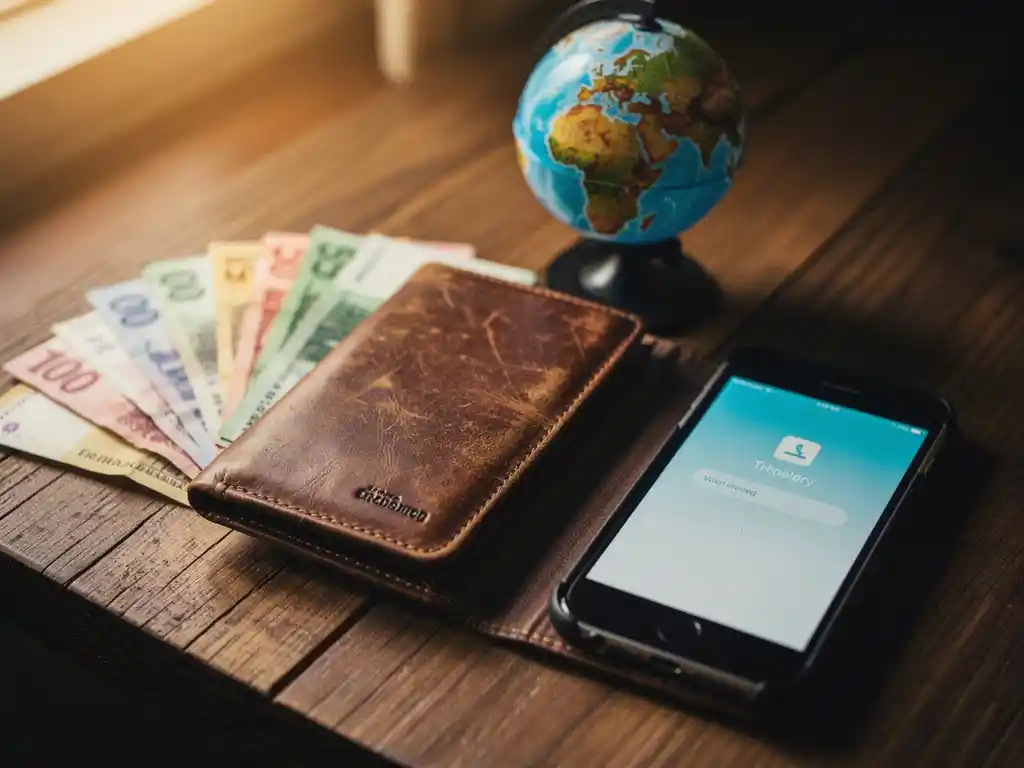
Sending money across borders is one of the most routine yet complex financial actions that millions of people perform every month. International money transfers are not just transactions for those who rely on them most. They are lifelines that support families, fund education, and keep communities connected across continents. For African diaspora communities living in Europe, this reality is especially significant.
Whether you are sending money to Nigeria, Eritrea, Ethiopia, Sudan, or Niger, understanding how the process works can save you time, money, and stress. This guide walks you through everything you need to know, from the basics of how transfers work to how to protect yourself from scams.
What is a cross-border money transfer, and how does it work?
A cross-border money transfer is the process of sending funds from one country to another, typically from a sender in one currency zone to a recipient in a different one. The process involves financial institutions or transfer platforms moving value between two parties across national borders, converting currencies where necessary, and settling the transaction through established payment networks.
At its core, the mechanism works like this: you initiate a transfer, your provider receives the funds, converts them at an agreed exchange rate, and routes the money to the recipient’s account or a cash pickup location. The networks that make this possible include SWIFT for bank-to-bank transfers, regional payment corridors, and, increasingly, modern fintech rails that operate faster and at a lower cost than traditional banking infrastructure.
For diaspora communities, this process is deeply personal. Every transfer represents a connection to home, and the reliability of that connection matters enormously.
What are the main methods for sending money internationally?
There are several established methods for international money transfers, each with different speeds, costs, and accessibility levels. The right method depends on where you are sending money, how the recipient can receive it, and how quickly the funds are needed.
- Bank wire transfers move money directly between bank accounts using networks like SWIFT but tend to be slower and more expensive.
- Remittance apps and fintech platforms offer faster transfers at competitive rates, often with mobile-friendly interfaces and multilingual support.
- Cash pickup services allow recipients without bank accounts to collect funds at local agent locations, which is especially useful in regions with limited banking infrastructure.
- Mobile money transfers send funds directly to mobile wallets, a popular option across much of Sub-Saharan Africa, where mobile money adoption is high.
- Prepaid debit cards can be loaded remotely and used by recipients for purchases or ATM withdrawals.
For many African diaspora communities, mobile money and cash pickup remain the most practical options because they reach people in areas where traditional banking is not readily available. Fintech platforms have made significant progress in building corridors specifically for these routes.
How long does a cross-border money transfer take?
Transfer times vary widely depending on the method you use and the countries involved. Fintech and remittance app transfers often arrive within minutes to a few hours. Bank wire transfers typically take one to five business days. Cash pickup services are usually available within minutes of the transfer being confirmed.
Delays can occur for several reasons. Compliance checks, currency conversion processing, and differences in banking hours across time zones can all slow things down. Transfers to certain African countries may also experience occasional delays due to local banking infrastructure or regulatory requirements. Choosing a provider with a strong track record on your specific corridor—for example, Europe to Nigeria or Europe to Eritrea—is one of the most effective ways to ensure reliable delivery times.
What fees and exchange rates should you watch out for?
The true cost of an international money transfer is made up of two components: the transfer fee and the exchange rate margin. Many providers advertise low or zero fees but apply a less favorable exchange rate, which is where the real cost is hidden. Always calculate the total amount the recipient will receive, not just the fee shown at the start.
Here are the key cost factors to examine before sending:
- Transfer fee — a flat or percentage-based charge applied to the transaction.
- Exchange rate margin — the difference between the mid-market rate and the rate offered to you.
- Receiving fees — some banks or mobile money providers charge the recipient a fee to collect funds.
- Correspondent bank fees — relevant for bank wire transfers, where intermediary banks may deduct charges along the route.
Transparent providers show you the exact amount the recipient will receive before you confirm the transfer. If a platform does not show this clearly upfront, that is a red flag worth taking seriously.
What’s the difference between bank transfers and remittance apps?
The key differences are cost, speed, and accessibility. Bank transfers rely on traditional infrastructure, which makes them secure but slower and more expensive. Remittance apps and digital platforms are built specifically for international transfers, which means they can offer better exchange rates, lower fees, and faster delivery times, particularly on high-volume corridors like Europe to Africa.
Bank transfers
Bank wire transfers are widely trusted and regulated, but they come with higher fees and less favorable exchange rates. They also require the recipient to have a bank account, which limits their usefulness in regions with lower banking penetration. Processing times of several business days can be frustrating when funds are needed urgently.
Remittance apps and fintech platforms
Digital remittance platforms are designed with diaspora communities in mind. They typically offer real-time exchange rates, transparent fee structures, and options for mobile money or cash pickup delivery. Many also provide multilingual interfaces, which is a significant advantage for users who are more comfortable in Hausa, Amharic, Arabic, or Tigrinya than in English or Dutch.
For most people sending money from Europe to Africa, a dedicated remittance platform will offer better value and a more straightforward experience than a traditional bank transfer.
How do you send money safely and avoid transfer scams?
Sending money safely starts with using regulated, reputable providers. Verify that any platform you use is licensed by a financial authority in the country where it operates. In Europe, this typically means registration with a national financial regulator. Never send money to someone you have not verified, and be cautious of any transfer request that creates urgency or asks you to use an unfamiliar platform.
Common scams targeting diaspora communities include impersonation of family members in distress, fake investment schemes promising high returns, and fraudulent remittance platforms that collect your money and disappear. Protect yourself by following these practices:
- Always verify the recipient’s identity through a direct phone or video call before sending large amounts.
- Use platforms with two-factor authentication and transaction confirmation steps.
- Check that the platform’s website uses a secure connection and has verifiable contact information.
- Avoid sending money based solely on a message or email, even if it appears to come from someone you know.
If something feels wrong, pause and verify. Legitimate providers will never pressure you to complete a transfer quickly without giving you time to confirm the details.
How FroggyTalk helps with international money transfers
We built FroggyTalk because we believe every person in the African diaspora deserves to feel heard, seen, and valued. Our International Money Transfer Service extends that mission beyond communication into financial inclusion, making it easier and more affordable to support your family back home.
Here is what makes our service different:
- Transparent fee structures with no hidden charges, so you always know exactly what your recipient will receive.
- Competitive exchange rates on key corridors, including Nigeria, Eritrea, Ethiopia, Sudan, and Niger.
- Multilingual support in Tigrinya, English, Arabic, Hausa, Amharic, Dutch, French, Swedish, Danish, Norwegian, and Italian. Everything in the app can be navigated in your preferred language.
- Seamless integration with our calling platform, so you can manage both communication and money transfers in one trusted place.
- Real-time transaction tracking, so you always know where your money is.
We also offer a bill payment service for direct payments to utilities and services in your home country, giving you even more ways to support the people you love from wherever you are in Europe.
Ready to get started? Contact us if you have any questions. We are here to help.