


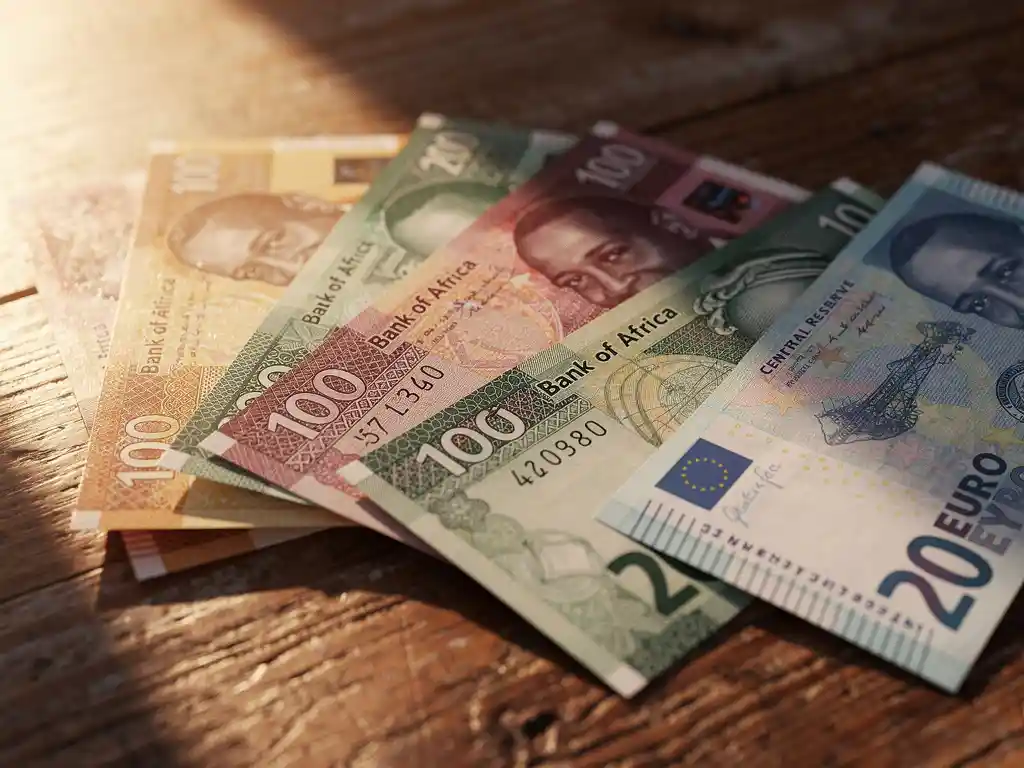
Sending money across borders is one of the most important financial actions many people take each month. Whether you are supporting family abroad, helping relatives in another country, or contributing to a business overseas, understanding how international money transfers work can save you real money and real stress. This guide answers the most common questions people ask before sending funds internationally, with a particular focus on the needs of African diaspora communities sending money home to countries such as Nigeria, Eritrea, and Ethiopia.
From currencies and exchange rates to fees and reliability, the answers below give you a clear picture of what to expect, so you can make informed decisions every time you transfer money.
Which African countries can you send money to internationally?
Most international money transfer services support a broad range of African destinations, including Nigeria, Ethiopia, Kenya, Ghana, Senegal, Uganda, Tanzania, and South Africa. Services focused on diaspora communities also cover harder-to-reach corridors such as Eritrea, Sudan, and Niger, which mainstream providers sometimes overlook.
The range of supported countries matters enormously for diaspora communities because not every provider serves every destination. A service might cover 50 African countries in total but still exclude the specific nation where your family lives. Before committing to any platform, always verify that your recipient’s country is supported and that funds can be delivered to their specific region, not just the capital.
Coverage also extends to payout methods. Some countries support direct bank deposits, while others rely primarily on mobile money wallets or cash pickup locations. In regions with lower banking penetration, mobile money options like M-Pesa in Kenya or OPay in Nigeria are often the most practical option for recipients.
What currencies are supported in international money transfers to Africa?
In international money transfers to Africa, the sending currency is typically the currency of the sender’s country, such as euros (EUR) from Europe or British pounds (GBP) from the UK. The payout currency is usually the local currency of the recipient’s country, such as Nigerian naira (NGN), Ethiopian birr (ETB), or Eritrean nakfa (ERN).
Most transfer services handle currency conversion automatically during the transaction. The currencies most commonly supported on the sending side include EUR, GBP, USD, SEK, NOK, DKK, and CHF, reflecting the European and North American countries where large African diaspora populations live.
On the receiving end, supported payout currencies typically include:
- Nigerian naira (NGN)
- Ethiopian birr (ETB)
- Kenyan shilling (KES)
- Ghanaian cedi (GHS)
- Sudanese pound (SDG)
- Eritrean nakfa (ERN)
- CFA franc (XOF/XAF), used across West and Central Africa
- South African rand (ZAR)
Currency availability varies by provider and by corridor. Some currencies, particularly the Eritrean nakfa and Sudanese pound, are supported only by specialist providers that focus on these specific diaspora corridors.
What’s the difference between transfer currencies and payout currencies?
The transfer currency is the currency you send from your account, while the payout currency is the currency your recipient actually receives. These are almost always different in international money transfers to Africa, and the conversion between them is where exchange rate margins are applied.
Understanding this distinction helps protect you from surprises. You might send 200 euros, but your recipient in Lagos receives naira. The amount of naira they receive depends entirely on the exchange rate applied at the moment of the transfer, minus any conversion margin the provider adds.
Some providers lock in the exchange rate at the time you initiate the transfer, giving you certainty about what your recipient will receive. Others apply the rate when the funds are processed, which can be minutes or hours later. For volatile currency corridors, this difference can be meaningful.
How do exchange rates affect international transfers to Africa?
Exchange rates directly determine how much money your recipient actually receives. Even a small difference in the rate applied can significantly change the final amount, especially for larger transfers. Providers typically add a margin on top of the mid-market rate, and this margin is effectively a hidden cost on top of any stated transfer fee.
The mid-market rate is the rate you see on Google or financial data sites. No provider offers exactly this rate to retail customers, but the closer a provider’s rate is to the mid-market rate, the better the deal for you. A provider advertising zero fees might still profit significantly through a wide exchange rate margin.
Currency volatility also plays a role. African currencies like the Nigerian naira and Ethiopian birr have experienced periods of significant fluctuation. Sending during a period of relative stability, or choosing a provider that locks in the rate immediately, gives your recipient more predictability in what they receive.
What fees should you watch out for when transferring money to Africa?
The main fees in international money transfers to Africa include the transfer fee, the exchange rate margin, and sometimes a recipient fee charged on the receiving end. Transparency varies widely between providers, so knowing what to look for helps prevent unpleasant surprises.
Here is a numbered breakdown of the fee types to check before every transfer:
- Transfer fee: A flat or percentage-based charge applied when you send money, stated upfront.
- Exchange rate margin: The difference between the mid-market rate and the rate the provider offers you, often the largest hidden cost.
- Receiving fee: Some corridors charge the recipient a fee to collect funds, particularly for cash pickup.
- Payment method surcharge: Paying by credit card often costs more than paying by bank transfer or debit card.
- Minimum transfer amounts: Some providers require a minimum send amount, which can affect smaller, more frequent transfers.
The most reliable way to compare total costs is to check the amount your recipient will receive in their local currency after all fees and conversion, not just the headline transfer fee. Reputable providers display this figure clearly before you confirm the transaction.
How can African diaspora communities find the most reliable transfer services?
Reliable international money transfer services for African diaspora communities combine competitive exchange rates, transparent fees, consistent delivery times, and multilingual support. Community trust, built through word of mouth within diaspora networks, is often the most dependable indicator of a service that consistently delivers.
When evaluating options, look for services that are regulated by financial authorities in their country of operation. In Europe, this typically means authorization from a national financial regulator under the relevant European regulatory framework. Regulation provides a layer of consumer protection that unregulated services cannot offer.
Speed and delivery method also matter. Some families need funds within minutes for urgent situations, while others can wait a day or two for a better rate. Check whether the service offers mobile money delivery if your recipient does not have a bank account, and whether customer support is available in your language if something goes wrong.
How FroggyTalk helps with international money transfers to Africa
We built FroggyTalk around one core belief: every person in the African diaspora deserves to feel heard, seen, and valued. Our International Money Transfer Service extends that mission beyond voice calls to the financial lifelines that connect families across continents.
Here is what makes our approach different:
- Transparent fee structures with no hidden charges, so you always know exactly what your recipient will receive
- Competitive exchange rates across key corridors, including Nigeria, Eritrea, Ethiopia, Sudan, and Niger
- Multilingual support in Tigrinya, English, Arabic, Hausa, Amharic, Dutch, French, Swedish, Danish, Norwegian, and Italian, and everything in the app can be translated into your local language
- Seamless integration with our existing platform, so you can manage calls, radio, and transfers in one trusted place
- Real-time transaction tracking, so you and your family always know where the money is
We also support bill payments directly through the platform, making it even easier to handle essential expenses for your family back home without switching between multiple apps.
Ready to send money with full transparency and no surprises? Get in touch with our team if you have any questions. We are here for you, in your language, every step of the way.