


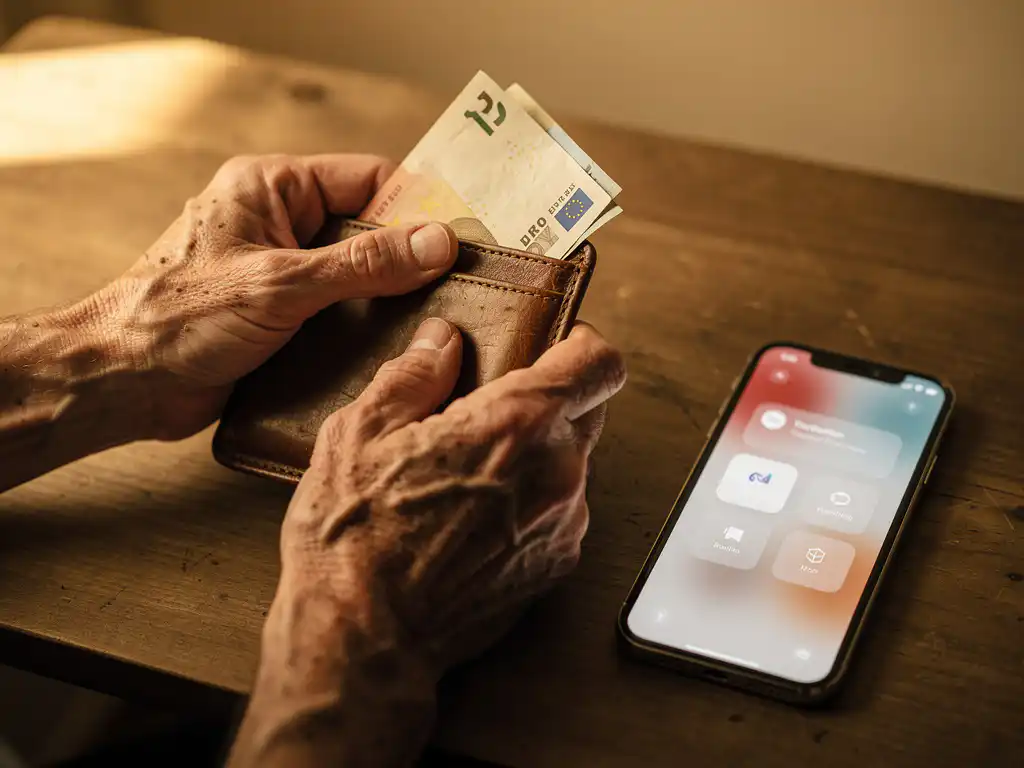
As a refugee in Europe, you can send money to Eritrea through international money transfer operators such as Western Union, MoneyGram, WorldRemit, or specialized remittance services that serve the Eritrean corridor. Most of these services do not require a European bank account to send funds, making them accessible even if you are still navigating the financial system in your host country.
Eritrea has specific financial regulations that affect how money moves in and out of the country, so choosing the right channel matters for both cost and compliance. This article walks through the most common questions diaspora members ask before sending a remittance to Eritrea from Europe.
What money transfer options are available to Eritrea from Europe?
Several money transfer services operate on the Europe-to-Eritrea corridor, including Western Union, MoneyGram, WorldRemit, and a number of smaller Eritrean community-focused remittance providers. Transfers can be received as cash pickup, mobile wallet deposits, or direct bank deposits depending on the recipient’s location and the provider you choose.
Because formal banking infrastructure in Eritrea is limited, cash pickup remains the most widely used delivery method. Recipients collect funds at a designated agent location, often in Asmara or other major towns. Some providers also partner with local Eritrean institutions to facilitate transfers, though availability varies by region.
When comparing services, look beyond the headline transfer fee. The exchange rate margin is often where providers make the most money. A service advertising low fees may still cost you more overall if the rate applied to your transfer is significantly worse than the mid-market rate. Always calculate the total amount your family will receive before confirming a transfer.
Can refugees without a bank account send money to Eritrea?
Yes, refugees without a European bank account can still send money to Eritrea. Several transfer operators allow cash-in transactions, meaning you pay in cash at a physical agent location and the funds are delivered to your recipient without either party needing a bank account. This is one of the most important features to look for if you are early in your resettlement process.
Options that typically support cash-in transfers include:
- Western Union agent locations, which are found in many supermarkets, post offices, and convenience stores across Europe
- MoneyGram outlets, similarly widespread in major European cities
- Local Eritrean community money transfer businesses, which sometimes operate informally but are well-known within diaspora networks
- Mobile-based services that allow you to load funds using a prepaid card or voucher in some countries
As your integration in Europe progresses and you open a bank account or obtain a prepaid debit card, you will gain access to online transfer platforms that are typically faster and cheaper. But cash-in options ensure you are never cut off from sending support home in the meantime.
What are the fees and exchange rates for Eritrea remittances?
Fees for sending money to Eritrea from Europe vary widely depending on the provider, the transfer amount, and the payment method you use. Transfer fees typically range from a few euros for larger amounts sent digitally to higher flat fees for smaller cash transactions. The exchange rate applied to your transfer is equally important and can represent a hidden cost of several percentage points.
Here is what to watch for when evaluating the true cost of a transfer:
- Transfer fee: The fixed or percentage-based charge the provider takes for processing the transaction.
- Exchange rate margin: The difference between the mid-market rate and the rate the provider offers you. Even a 2-3% difference significantly reduces what your family receives.
- Recipient fees: Some cash pickup agents in Eritrea charge a small collection fee on the receiving end.
- Payment method surcharges: Paying by credit card often costs more than paying by bank transfer or debit card.
The most reliable way to compare is to use a remittance comparison tool and enter the exact amount you want to send. Always check the final receive amount, not just the fee, before choosing a provider.
How long does a money transfer to Eritrea take?
Transfer times to Eritrea depend on the service and delivery method chosen. Cash pickup transfers through major operators like Western Union or MoneyGram can be available for collection within minutes to a few hours. Bank deposits to Eritrean accounts typically take one to three business days, though delays can occur due to the limited banking infrastructure in the country.
Factors that can slow down a transfer include:
- Compliance checks triggered by the transfer amount or account history
- Weekends and public holidays in either the sending or receiving country
- First-time transfers, which sometimes require additional identity verification
- Transfers sent outside of business hours, which may not be processed until the next working day
If your family needs funds urgently, opt for a cash pickup service and confirm that there is an accessible agent location near them before initiating the transfer. Always share the transfer reference number with your recipient so they can collect without delays.
Are there legal restrictions on sending money to Eritrea?
There are no broad international sanctions that prohibit individuals from sending personal remittances to family members in Eritrea. However, Eritrea operates under a strict foreign currency regime, and the Eritrean government has historically required citizens abroad to pay a two percent diaspora tax on their income as a condition for accessing certain government services. This tax is separate from the remittance itself but is part of the broader financial relationship between the Eritrean state and its diaspora.
From a European legal perspective, money transfers to Eritrea are permitted for personal and family support purposes. That said, providers are required to comply with anti-money laundering regulations and may ask you to verify your identity and the purpose of the transfer. This is standard practice across all international corridors, not specific to Eritrea.
Always use licensed and regulated transfer operators. Sending money through unlicensed informal networks carries legal risk for the sender and offers no protection if the funds go missing.
What is the safest way to send money to Eritrea as a refugee?
The safest way to send money to Eritrea as a refugee in Europe is through a regulated, licensed money transfer operator that provides a transaction receipt, a tracking reference, and clear terms on fees and exchange rates. Avoid informal or unregistered channels, even if they appear cheaper, as you have no legal recourse if something goes wrong.
Practical steps to protect yourself and your recipient:
- Verify that the provider is licensed in your country of residence and registered with the relevant financial authority.
- Always keep your transaction receipt and reference number until your recipient confirms they have collected the funds.
- Double-check the recipient’s details, including their full name as it appears on their ID, before confirming the transfer.
- Use a service that offers real-time tracking so you can monitor the transfer status.
- Contact customer support immediately if the transfer does not arrive within the expected timeframe.
For refugees who are also managing other financial needs, such as paying bills across borders, using a single trusted platform that handles multiple financial services can reduce complexity and improve security.
How FroggyTalk helps you send money to Eritrea
We built FroggyTalk because we know what it feels like to navigate life in a new country while trying to stay connected to the people you love back home. Our International Money Transfer Service extends that same mission into financial support, making it possible to send money to Eritrea and other African countries safely, affordably, and without the confusion of hidden fees.
Here is what makes our service different:
- Transparent pricing: No hidden charges, no surprise deductions. You see exactly what your family will receive before you confirm.
- Multilingual support: Everything in the app can be used in your local language, including Tigrinya, Arabic, Amharic, Hausa, and more, so you never have to navigate an important financial decision in a language that is not yours.
- Accessible without a bank account: We understand that not everyone has full access to European banking yet, and we design our service with that reality in mind.
- One platform for communication and finance: Manage your calls home and your money transfers in the same trusted app.
- Real-time tracking: Follow your transfer from the moment you send it to the moment it arrives.
We want you to feel heard, seen, and noticed, and that starts with giving you tools that actually work for your life. If you have questions about sending money to Eritrea or any other country we serve, reach out to our team and we will help you find the best option for your situation.
Frequently Asked Questions
How much money can I send to Eritrea at one time?
Most licensed money transfer operators do not impose a strict cap on personal remittances to Eritrea, but individual providers set their own per-transaction and daily limits, which can range from a few hundred to several thousand euros. If you need to send a larger amount, you may be asked to provide additional documentation such as proof of income or a statement of purpose. It is always best to check your chosen provider's limits before initiating a large transfer, as splitting a transfer into multiple smaller transactions to avoid verification checks can raise compliance flags.
What information does my recipient in Eritrea need to collect the money?
For a cash pickup transfer, your recipient will typically need a valid government-issued photo ID, the exact name the transfer was sent to (which must match their ID), and the transfer reference number you provide them. Make sure the name you enter when sending matches precisely how it appears on their identification document, as even small discrepancies can delay or block collection. Sharing the reference number securely and promptly after sending gives your recipient everything they need to collect without issues.
What happens if my transfer to Eritrea gets stuck or does not arrive?
If your transfer does not arrive within the expected timeframe, contact your provider's customer support immediately with your transaction receipt and reference number. Regulated operators are legally required to investigate and resolve transfer issues, and most have a formal complaints process with defined resolution timelines. Do not wait too long before escalating, as some providers have time windows within which claims must be filed. This is one of the key reasons to always use a licensed service rather than an informal channel.
Can I schedule recurring transfers to Eritrea, or do I have to send each one manually?
Some digital money transfer platforms allow you to set up recurring or scheduled transfers, which is a convenient option if you send a regular amount to family each month. This feature is more commonly available on app-based services than at physical agent locations. If your provider supports it, recurring transfers can save time and help you stay consistent with support to your family without having to remember to initiate each transaction manually.
Is it safe to use community-based or informal Eritrean money transfer networks?
While community-based transfer networks are widely used within the Eritrean diaspora and are often trusted by word of mouth, they typically operate outside formal financial regulation, which means you have no legal protection if funds go missing or a dispute arises. The lower fees sometimes offered by informal operators come with real risk, particularly if you are a refugee whose legal standing in your host country could be affected by involvement in unregulated financial activity. For peace of mind and financial security, using a licensed and regulated operator is always the safer choice.
Will sending money to Eritrea affect my refugee status or benefits in Europe?
Sending personal remittances to family members is a legal activity and does not by itself affect your refugee status. However, if you are receiving means-tested financial assistance in your host country, large or frequent outgoing transfers could potentially be reviewed as part of benefit assessments, depending on national rules. It is advisable to keep records of your transfers and consult a local refugee support organization or legal advisor if you have concerns about how financial activity may interact with your specific benefit arrangements.
Are there better times of the month or year to send money to Eritrea to get a better exchange rate?
Exchange rates fluctuate daily based on global currency markets, and while there is no guaranteed best time to send, rates can sometimes be more favorable mid-week when currency markets are most active. Some remittance comparison tools allow you to set rate alerts so you are notified when the exchange rate improves to a level you are comfortable with. Avoiding transfers during major holidays in either country can also help, as processing delays during those periods can mean your recipient waits longer to access the funds.