


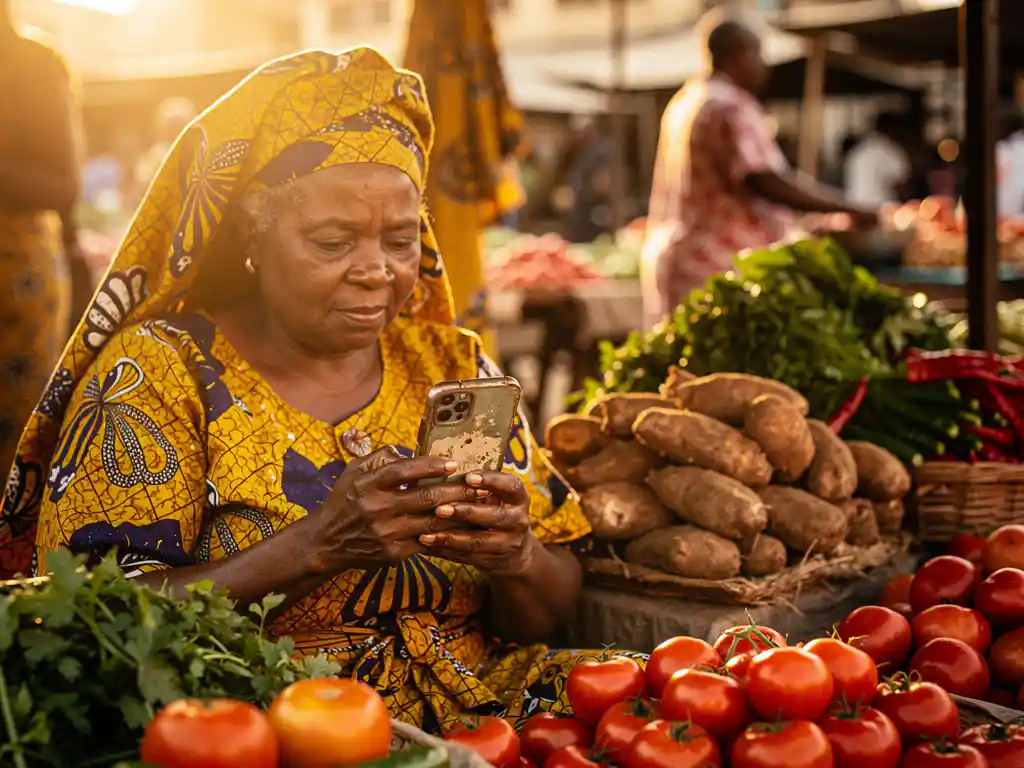
Remittances to Nigeria have a profound and wide-reaching impact on local communities. Funds sent home by Nigerians living abroad represent one of the most direct forms of financial support flowing into the country, sustaining millions of households, funding education, and keeping small businesses alive. The sections below unpack exactly how that money moves, where it goes, and what it means for everyday life in Nigeria.
How much money do Nigerians in the diaspora send home each year?
Nigerian diaspora members send billions of dollars home every year, making Nigeria one of the top remittance-receiving countries in Africa and among the highest in the world. These inflows consistently represent a significant share of the country’s gross domestic product, often exceeding foreign direct investment in scale and reliability.
The United States, the United Kingdom, and several European countries are the largest sources of these transfers. Nigerians living in Europe, including a growing number in the Netherlands, Germany, and Scandinavia, contribute meaningfully to this total. For many Nigerian families, money sent from abroad is not a bonus but a lifeline that covers basic needs month after month.
What makes this flow of money so significant is its consistency. Unlike aid or investment, remittances tend to arrive regularly and go directly to families rather than through government channels. That directness is a big part of why they matter so much at the community level.
What do Nigerian families actually spend remittances on?
Nigerian families primarily spend remittances on everyday essentials: food, rent, utilities, and clothing. Beyond basic needs, a significant portion goes toward school fees, medical bills, and home improvements. Remittances function as a private safety net, filling gaps that public services often cannot cover.
Here is a breakdown of the most common spending categories:
- Food and household expenses: Day-to-day groceries and basic living costs are the first priority for most recipient families.
- Education: School fees, uniforms, textbooks, and exam registration costs are frequently covered by remittance income.
- Healthcare: Medical consultations, prescription medication, and hospital bills are often paid directly from funds sent abroad.
- Housing and repairs: Many families use remittances to build or improve homes over time, often across several years of saving.
- Ceremonies and social obligations: Weddings, funerals, and community events carry real social weight in Nigerian culture and are often partly funded by diaspora contributions.
The spending pattern reflects something important: for most families, remittances are not discretionary income. They are core to how households function and plan for the future.
How do remittances affect education and healthcare in Nigerian communities?
Remittances have a measurable positive effect on both education and healthcare access in Nigerian communities. Families receiving money from abroad are more likely to keep children in school longer and to seek medical care when needed, rather than delaying treatment due to cost.
In a country where public school funding is often insufficient and healthcare infrastructure varies widely by region, remittance income bridges critical gaps. A parent who receives regular transfers from a sibling in Europe can afford to pay secondary school fees that would otherwise be out of reach. A family in a rural area can travel to a better-equipped clinic rather than relying on an under-resourced local facility.
The ripple effects extend beyond individual families. When more children complete secondary education, communities develop a stronger skilled workforce over time. When adults can access preventive healthcare, productivity improves and the burden on informal caregivers decreases. Remittances, in this way, quietly fund outcomes that development programmes often struggle to achieve.
Do remittances help small businesses and local economies grow?
Yes, remittances do support small business growth and local economic activity in Nigeria, though the effect depends on how the money is used. When a portion of transferred funds goes toward starting or expanding a small business, the impact can multiply across a community through job creation and increased local spending.
Common examples include funding market stalls, transport businesses, tailoring shops, and agricultural ventures. In many Nigerian towns, the most visible signs of diaspora investment are the small enterprises that a returned migrant or their family member started with money saved abroad.
Even when remittances are spent purely on consumption rather than investment, they stimulate local economies. Money spent on food, services, and goods circulates through local markets, supporting traders, suppliers, and service providers. The economic activity generated by remittance spending is a genuine driver of growth at the community level, even when it is not labelled as investment.
What are the challenges and downsides of relying on remittances?
Relying heavily on remittances creates real vulnerabilities for both families and communities. When a diaspora member loses their job, falls ill, or faces financial difficulty abroad, the families depending on those transfers can find themselves in crisis with little warning or safety net to fall back on.
There are several structural challenges worth understanding:
- Dependency risk: Families that replace local income with remittances can become less economically self-sufficient over time, making them fragile if transfers stop.
- High transfer fees: Traditional money transfer services can charge significant fees, meaning a meaningful portion of what is sent never reaches the recipient.
- Exchange rate volatility: Fluctuations in currency values can reduce the real value of transfers, sometimes dramatically, between the time money is sent and when it arrives.
- Brain drain concerns: Communities that rely on emigration as an economic strategy can lose skilled workers, doctors, and teachers who might otherwise contribute locally.
- Inequality: Remittances tend to benefit households with diaspora connections more than those without, potentially widening gaps within communities.
None of these challenges negate the value of remittances, but they do highlight why building broader economic resilience matters alongside encouraging financial transfers.
How can Nigerian diaspora members send money home more affordably?
Nigerian diaspora members can send money home more affordably by choosing transfer services that offer transparent fees, competitive exchange rates, and no hidden charges. The difference between providers can be substantial, with some services taking a far larger cut than others for the same transaction.
A few practical steps make a real difference:
- Compare the total cost including both the transfer fee and the exchange rate margin before committing to a provider.
- Look for services that charge per-second or per-unit rates rather than flat fees that penalise smaller transfers.
- Use platforms that offer multilingual support so you can navigate the process fully in your preferred language, whether that is Hausa, Yoruba, Igbo, or another language entirely.
- Choose providers with real-time transaction tracking so you and your family know exactly when money arrives.
- Consider platforms built specifically for diaspora communities, as they often understand your needs better than generic financial services.
The goal is to make sure as much of what you send actually reaches your family, not disappear into fees along the way. You deserve to feel confident that your money is working as hard as you are. bill payment options can also help you cover essential costs directly, reducing the burden on family members to manage payments on the receiving end.
How FroggyTalk helps you send money to Nigeria and beyond
We built FroggyTalk because we know what it feels like to be far from home and still carry the responsibility of supporting the people you love. Our International Money Transfer Service is designed to make that responsibility easier, more affordable, and less stressful.
Here is what we offer:
- Transparent fees with no hidden charges: What you see is what you pay. No surprises, no connection fees buried in the fine print.
- Competitive exchange rates: We work to make sure more of your money reaches your family, whether you want to send money to Nigeria, Eritrea, Sudan, Ethiopia, or beyond.
- Real-time transaction tracking: You and your family can follow the transfer every step of the way.
- Multilingual support: Everything in the app can be translated into your local language, including Hausa, Amharic, Arabic, Tigrinya, French, and more. We want you to feel heard, seen, and noticed in every interaction.
- All in one place: Manage your calls, your radio, and your money transfers through a single platform built for the African diaspora in Europe.
We are more than a calling app. We are building a digital home for Africans abroad, where connection, culture, and practical support come together. Ready to get started? get in touch with us and we will help you find the most affordable way to support the people who matter most to you.
Frequently Asked Questions
How long does it typically take for a money transfer to reach a family member in Nigeria?
Transfer times vary depending on the provider and payment method, but many modern digital platforms like FroggyTalk offer near-instant or same-day transfers to Nigeria. Bank deposits may take 1–2 business days, while mobile money and cash pickup options are often faster. Always check the estimated delivery time before confirming a transfer, especially if your family is counting on the funds urgently.
What is the best way to help my family in Nigeria use remittances more strategically rather than just for day-to-day expenses?
A practical first step is having an open conversation with your family about setting aside a small, consistent portion of each transfer into a savings or emergency fund — even if it starts with a modest amount. You can also earmark specific transfers for longer-term goals like school fees, home improvements, or a small business investment, rather than leaving all spending decisions unplanned. Over time, this kind of intentional approach can help your family build financial resilience alongside the regular support you provide.
Are there limits on how much money I can send to Nigeria at one time?
Yes, most money transfer services and financial regulations impose sending limits, which can vary based on your country of residence, the platform you use, and your identity verification level. In Europe, anti-money laundering regulations require providers to apply Know Your Customer (KYC) checks, and higher transfer amounts typically require additional documentation. If you regularly send large amounts, it is worth completing full verification with your chosen provider in advance to avoid delays when it matters most.
What should I do if a transfer I sent to Nigeria is delayed or goes missing?
Start by checking the real-time tracking feature on your transfer platform, as delays are often flagged there with an explanation. If the transfer shows as completed on your end but has not been received, contact your provider’s customer support immediately with your transaction reference number. Reputable platforms like FroggyTalk offer dedicated support to resolve transfer issues quickly, which is one of the key advantages of using a service built specifically for diaspora communities.
Is it better to send money to Nigeria frequently in smaller amounts or in larger, less frequent transfers?
The best approach depends on your family’s needs and the fee structure of your chosen provider. If your provider charges a flat fee per transaction, sending larger amounts less frequently can reduce the total cost. However, if your family relies on remittances for regular living expenses, consistent smaller transfers may be more practical and help them budget more effectively. Compare the cost-per-transfer on your platform and align your sending schedule with your family’s actual cash flow needs.
Can I use remittance platforms to pay Nigerian bills directly, rather than sending cash to a family member?
Yes, many modern diaspora-focused platforms now offer direct bill payment features that let you pay utilities, school fees, and other essential costs straight from abroad, without your family needing to manage the funds themselves. This approach reduces the risk of money being redirected to other expenses and gives you peace of mind that critical bills are covered. FroggyTalk’s bill payment options are designed exactly for this purpose, letting you take care of essentials directly from wherever you are in Europe.
How can I make sure the transfer platform I choose is safe and legitimate?
Always verify that the provider is licensed and regulated by the relevant financial authority in your country — in the Netherlands, for example, that is De Nederlandsche Bank (DNB), while in the UK it is the Financial Conduct Authority (FCA). Look for platforms that use encryption, require identity verification, and have transparent terms and conditions with no hidden fees. Reading reviews from other diaspora users and choosing services built specifically for African communities, which tend to have a strong accountability track record, is also a reliable way to assess trustworthiness.