


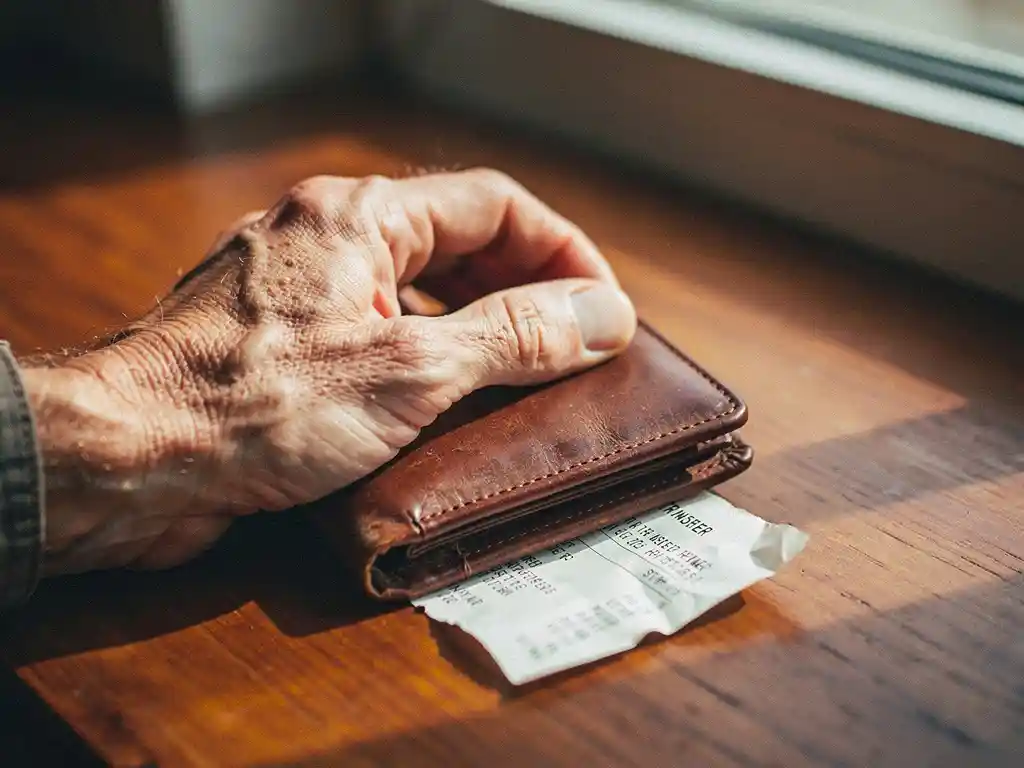
African migrants can protect themselves from money transfer fraud by using only regulated, licensed financial services, verifying a provider’s credentials before sending any funds, and staying alert to common red flags such as unrealistic exchange rates, pressure tactics, and requests for payment through untraceable methods. Fraud targeting diaspora communities is widespread and growing, making vigilance an essential part of every international transfer. The questions below break down exactly how these scams work and what you can do to stay safe.
What are the most common money transfer scams targeting African migrants?
The most common money transfer scams targeting African migrants include fake transfer apps or websites that mimic legitimate services, advance fee fraud where victims pay upfront to unlock a larger sum that never arrives, and phishing schemes that steal login credentials to drain accounts. Impersonation scams, where fraudsters pose as customer service agents, are also widespread.
Each of these scams exploits the same vulnerability: the urgent need to send money quickly to family members who depend on those remittances. When the pressure to help loved ones is high, it becomes easier to overlook warning signs. Here is a breakdown of the most frequently reported types:
- Fake transfer platforms: Websites or apps that look professional but disappear after receiving your payment
- Advance fee fraud: Promises of large sums or bonus transfers if you pay a small fee first
- Phishing messages: Emails, SMS, or WhatsApp messages that mimic real services to steal your account details
- Overpayment scams: A “sender” overpays you and asks for the difference back before the original payment is reversed
- Impersonation fraud: Someone pretending to be a bank, transfer agent, or even a family member in distress
These schemes are not random. They are designed specifically around the patterns and habits of diaspora communities, which is why awareness is your first line of defense.
How do fraudsters find and target diaspora communities?
Fraudsters find and target diaspora communities through social media groups, messaging apps like WhatsApp and Telegram, community forums, and word-of-mouth networks. Because diaspora communities rely heavily on trusted community channels to share services and recommendations, scammers infiltrate those same spaces to appear credible and reach large numbers of potential victims quickly.
Scammers study the behavior of migrant communities. They know that many people send money regularly to specific countries, that trust within community groups is high, and that some members may have limited access to information in their preferred language. This makes diaspora networks particularly attractive targets.
Common tactics include posting fake promotions in Facebook groups dedicated to African migrants, creating WhatsApp channels that impersonate well-known money transfer brands, and even paying existing community members a small commission to refer others to fraudulent services. In some cases, fraudsters build fake profiles over weeks or months to gain trust before making their move.
What are the warning signs of a fraudulent money transfer service?
The clearest warning signs of a fraudulent money transfer service include exchange rates that seem too good to be true, no verifiable business registration or license information, requests for payment via cryptocurrency or gift cards, and pressure to act immediately. Legitimate services are transparent, regulated, and never rush you into a decision.
Watch out for these specific red flags before you send a single cent:
- No physical address or verifiable contact information
- Rates significantly higher than the market rate with no clear explanation
- Requests for payment through untraceable methods such as gift cards, cryptocurrency, or informal cash handoffs
- Pressure to complete the transfer immediately or risk losing a special rate
- No clear fee structure or hidden charges that appear only at the final step
- Poor grammar, generic branding, or a recently created website
- No customer support in your language or vague, scripted responses
If something feels off, trust that instinct. A legitimate provider will always give you time to review the terms and will not disappear when you ask direct questions.
How can African migrants verify that a transfer service is legitimate?
African migrants can verify that a transfer service is legitimate by checking whether it is registered with a financial regulator in the country where it operates, reading independent reviews on trusted platforms, confirming it has a clear fee structure, and testing customer support responsiveness before committing to a transfer.
Here is a step-by-step verification process you can follow:
- Check regulatory registration: In Europe, look for registration with national financial regulators such as De Nederlandsche Bank (Netherlands), the FCA (UK), or BaFin (Germany). In the US, check FinCEN registration.
- Search for independent reviews: Use platforms like Trustpilot, Google Reviews, or app store ratings. Look for patterns in complaints, not just the overall score.
- Confirm the fee structure upfront: A trustworthy service will show you exactly what you pay and what the recipient receives before you confirm the transaction.
- Contact customer support first: Send a message or make a call before you send money. Note how quickly they respond and whether they can assist you in your preferred language.
- Verify the website: Check that the URL is correct, the site uses HTTPS, and that the domain is not a slight misspelling of a well-known brand.
- Ask your community carefully: Recommendations from people you know personally are more reliable than posts in large online groups where anyone can comment.
Taking fifteen minutes to verify a service before your first transfer can save you from losing money that your family is counting on.
What should you do if you have already been scammed?
If you have already been scammed in a money transfer fraud, you should report it immediately to your local police, contact your bank or payment provider to attempt a reversal, and file a complaint with the financial regulator in your country. Acting quickly improves the chances of recovering funds and prevents the same scam from reaching others in your community.
Follow these steps as soon as you realize something has gone wrong:
- Contact your bank or payment provider immediately. If the payment was made by card or bank transfer, a reversal may still be possible if you act within hours.
- Report to local police. File an official report even if recovery seems unlikely. This creates a record that can support investigations.
- Report to the financial regulator. In the Netherlands, this is the AFM or DNB. In the UK, it is the FCA. In Sweden, it is Finansinspektionen. Regulators use these reports to identify patterns and shut down fraudulent operations.
- Report to the platform where you found the service. If you were approached via Facebook, WhatsApp, or another platform, report the account or post so others are protected.
- Warn your community. Share what happened in trusted community groups so others can avoid the same scam.
Do not feel ashamed. These scams are professionally designed to deceive people, and reporting them is one of the most effective ways to protect your community.
Which money transfer methods are safest for sending money to Africa?
The safest money transfer methods for sending money to Africa are those offered by regulated financial institutions and licensed fintech platforms that provide transparent fees, real-time tracking, and multilingual customer support. Bank transfers, regulated digital transfer platforms, and licensed mobile money services consistently offer the highest levels of security and accountability.
When choosing how to send money abroad, prioritize these factors over speed or rate alone:
- Regulatory licensing: The provider must hold a valid payment institution license in their operating country
- Transparent fee structures: You should see exactly what you pay and what arrives before confirming
- Real-time transaction tracking: You and your recipient should be able to follow the transfer at every stage
- Multilingual support: The ability to get help in your language matters when something goes wrong
- Established track record: Look for services with verifiable history and independent reviews
Whether you want to send money to Eritrea, send money to Nigeria, send money to Sudan, send money to Uganda, or send money to Tanzania, the same principles apply. A service that is regulated, transparent, and reachable by phone or chat in your own language is almost always a safer choice than one offering unusually high rates with little accountability. The same holds true whether you are sending money to Africa from the United States, Australia, or anywhere in Europe.
How FroggyTalk helps you send money safely to Africa
We built FroggyTalk because we know what it feels like to be far from home and still responsible for the people you love. Our International Money Transfer Service was designed from the ground up for African diaspora communities who need a service that is honest, accessible, and genuinely on their side.
Here is what makes our approach different:
- Full regulatory compliance: Our service operates within licensed financial frameworks so your money is protected at every step
- No hidden fees: You see the exact exchange rate and fee before you confirm, whether you want to send money to Nigeria, send money to Egypt, send money to South Sudan, or anywhere else across the continent
- Real-time tracking: Follow your transfer from the moment you send it to the moment it arrives
- Multilingual support: Everything in our app can be navigated in your local language, including Tigrinya, Arabic, Hausa, Amharic, French, and more, because you deserve to feel heard, seen, and noticed
- One trusted platform: Manage your international calls and money transfers in one place, with the same team supporting you throughout
We want you to feel confident every time you send money home, whether that is to Nigeria from Australia, to Sudan from the Netherlands, or to Tanzania from Sweden. If you have questions about how our transfer service works or want to know more before your first transfer, get in touch with us and we will walk you through it in the language that works best for you.
Frequently Asked Questions
Can I get my money back if I used a fake money transfer service?
Recovery is possible but not guaranteed, and speed is critical. If you paid by debit or credit card, contact your bank immediately to initiate a chargeback — this is most effective within the first 24 to 48 hours. Bank transfers are harder to reverse, but your financial institution can sometimes recall the payment if it has not yet been processed. Even if full recovery is not possible, filing reports with your bank, local police, and your country’s financial regulator creates an official record that supports broader investigations and may help others avoid the same scam.
Are informal money transfer agents (hawala or community-based agents) safe to use?
Informal transfer networks like hawala have deep cultural roots and can be legitimate, but they carry higher risk because they often operate outside formal regulatory oversight, making it difficult to seek recourse if something goes wrong. If you choose to use a community-based agent, verify that they are known personally by multiple trusted people in your network — not just recommended in an online group — and always ask for a written receipt or confirmation of the transaction. Wherever possible, using a licensed, regulated platform offers stronger legal protections and a clearer path to resolving disputes.
How do I know if a money transfer app I downloaded is genuine and not a fake?
Always download transfer apps directly from the official app store (Google Play or Apple App Store) by searching the provider’s name, and cross-reference the developer name listed in the app store with the company’s official website. Be cautious of apps shared as direct download links via WhatsApp, Telegram, or email, as these can be tampered versions designed to steal your credentials or intercept your payment. Before logging in for the first time, check that the app has a substantial number of reviews, a verifiable publishing history, and matches the branding and contact details shown on the provider’s official website.
What should I do if a family member back home contacts me urgently asking me to send money through an unfamiliar service?
Pause and verify before acting, even if the message feels urgent. Call your family member directly on a number you already have saved — not a number provided in the message — to confirm the request is genuine, since impersonation scams frequently involve fraudsters posing as relatives in distress. If the request specifically asks you to use an unfamiliar platform or an untraceable payment method like gift cards or cryptocurrency, treat this as a strong red flag regardless of how convincing the story sounds. Legitimate emergencies can almost always be handled through regulated services you already trust.
Is it safer to send larger amounts less frequently or smaller amounts more often?
From a fraud-risk perspective, sending smaller amounts through a verified, regulated provider is generally safer than sending large lump sums, especially when using a service for the first time. Many experienced senders recommend making a small test transfer first — for example, the equivalent of €10 to €20 — to confirm the money arrives correctly before sending a larger amount. Once you have established trust with a regulated provider and confirmed the recipient received the funds as expected, you can adjust your transfer size and frequency based on your family’s needs and the platform’s fee structure.
Do money transfer scams get reported to authorities, and does reporting actually help?
Yes, reporting fraud to financial regulators and law enforcement genuinely contributes to shutting down scam operations, even when individual fund recovery is not possible. Regulators like the FCA in the UK, AFM and DNB in the Netherlands, and FinCEN in the US use complaint data to identify patterns, investigate fraudulent operators, and issue public warnings that protect other potential victims. Reporting to the social media platform or messaging app where you encountered the scam also triggers content removal and account suspension, directly reducing the scammer’s reach within diaspora communities.
Are there specific scams I should watch out for when sending money to particular African countries?
While the core scam mechanics — fake platforms, advance fee fraud, phishing, and impersonation — are consistent across most corridors, certain tactics are more prevalent in specific regions based on local mobile money infrastructure and common communication platforms. For example, mobile money interception scams are more common in East African corridors where M-Pesa and similar services are widely used, while advance fee fraud remains disproportionately reported in West African corridors. Regardless of the destination country, the safeguards are the same: use a regulated provider, verify the recipient’s details carefully before confirming, and never share your account PIN or one-time password with anyone, including someone claiming to be customer support.