


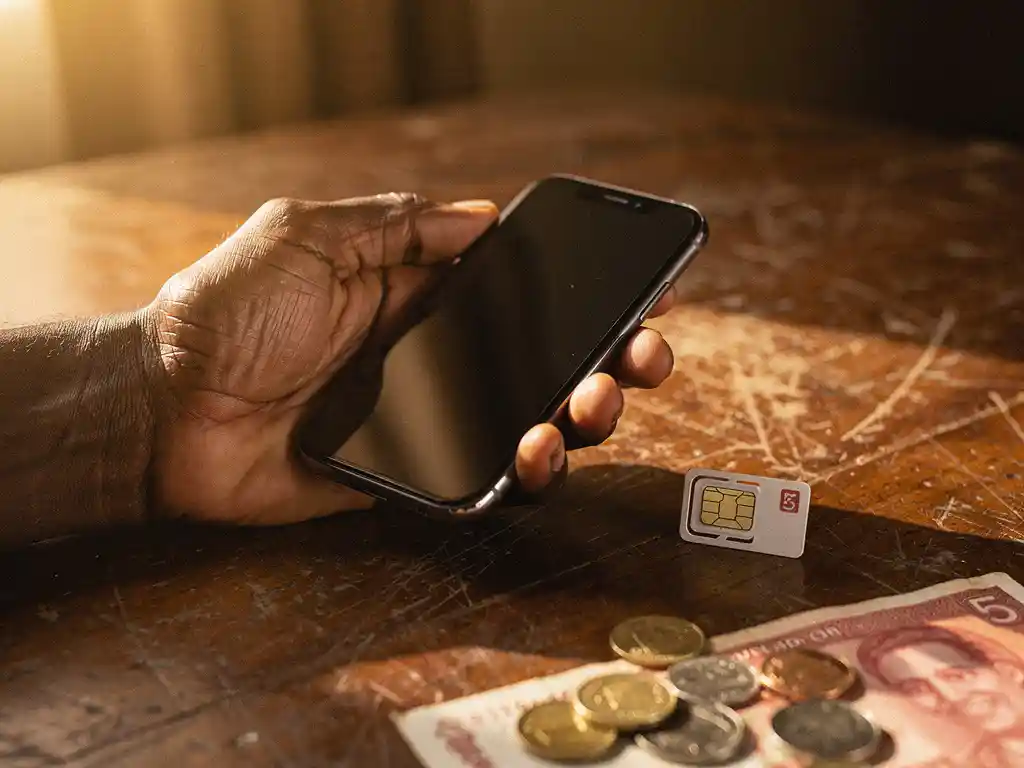
Yes, some money transfer services let you send money to Sudan using just a phone number, but availability depends heavily on which provider you use and where you are sending from. Services that support mobile wallet delivery or mobile money networks in Sudan can route transfers directly to a recipient’s phone-linked account. This article walks through which services work, how the process works, what it costs, and how to avoid common pitfalls.
Which money transfer services actually work for Sudan?
A handful of international remittance platforms support transfers to Sudan in 2026, but the list is shorter than for most other African countries due to ongoing banking restrictions and sanctions-related compliance requirements. Services such as WorldRemit, Dahabshiil, and Taaj have historically maintained corridors to Sudan, often using mobile wallets, cash pickup networks, or local agent partnerships rather than direct bank transfers.
When choosing a provider, focus on these key factors:
- Delivery method: Does the service offer mobile wallet delivery, cash pickup, or bank deposit in Sudan?
- Coverage in your recipient’s city or region: Agent networks can be dense in Khartoum but sparse in rural areas
- Supported sending countries: Not every platform operates from every European country
- Compliance track record: Choose platforms that are licensed and regulated in your country of residence
- Customer support in your language: Critical when something goes wrong with a transfer
It is worth checking each provider’s website directly before sending, as active corridors to Sudan can change with little notice due to regulatory shifts or local banking disruptions.
How does sending money with a phone number work?
Sending money with just a phone number works when the recipient has a mobile wallet or mobile money account linked to that number. You enter the recipient’s phone number on the transfer platform, select the amount, and the funds are routed to the mobile account registered to that number in Sudan. The recipient can then withdraw cash at a local agent point or spend directly from the wallet.
The process typically follows these steps:
- Create and verify your account on the transfer platform
- Enter the recipient’s phone number and confirm their name matches the registered account
- Select the transfer amount and review the exchange rate and fees before confirming
- Pay using your preferred method, such as a debit card, bank transfer, or digital wallet
- Receive a confirmation and tracking reference number
- Your recipient gets a notification and can access the funds through their mobile wallet
If the recipient does not have a mobile wallet, some services allow you to use their phone number simply as an identifier to arrange cash pickup at a nearby agent location. In that case, the number is used for verification rather than for direct digital delivery.
What are the fees and exchange rates for Sudan transfers?
Fees and exchange rates for sending money to Sudan vary significantly between providers and can eat into the amount your family actually receives. Most platforms charge a flat transfer fee, a percentage-based fee, or a combination of both, and they also make money on the exchange rate margin, meaning the rate you get is typically lower than the mid-market rate.
When comparing costs, always look at the total amount your recipient will receive, not just the headline fee. A service advertising zero fees may still offer a poor exchange rate that costs more overall. Use comparison tools such as Monito or SendFX to get a side-by-side view before committing.
Key cost factors to watch:
- Transfer fee: Can range from a few euros to over ten euros per transaction
- Exchange rate margin: Typically between 1% and 5% above the mid-market rate
- Delivery speed: Instant or same-day transfers often cost more than transfers that take two to three business days
- Payment method: Paying by credit card usually adds an extra fee compared to bank transfers
Why do some transfers to Sudan get blocked or delayed?
Transfers to Sudan face a higher risk of delays or blocks than transfers to many other African countries. This is primarily because Sudan has been subject to international financial sanctions and compliance scrutiny, which means banks and payment processors apply stricter checks to transactions involving Sudanese accounts or phone numbers.
Common reasons a transfer might be held or rejected include:
- Incomplete identity verification on your sender account
- The recipient’s name not matching the registered mobile wallet details
- Sending an amount above the platform’s transaction or daily limit
- The transfer being flagged by automated compliance systems due to transaction patterns
- Local banking disruptions or network outages in Sudan affecting delivery
If your transfer is delayed, contact the platform’s customer support immediately and have your transaction reference number ready. Reputable providers will either resolve the issue or return your funds within a defined timeframe. Avoid using informal or unregulated channels to bypass these checks, as doing so puts both your money and your recipient at risk.
What’s the safest way to send money to Sudan right now?
The safest way to send money to Sudan right now is to use a licensed, regulated remittance provider that has an established and active corridor to Sudan, offers transparent fees, and provides real-time tracking. Verify that the platform is registered with the financial regulator in your country of residence before sending any funds.
Practical safety steps to follow every time:
- Confirm the recipient’s phone number and registered name before initiating the transfer
- Start with a smaller test transfer if you are using a provider for the first time
- Keep your transaction confirmation and reference number until the funds are received
- Use two-factor authentication on your transfer account to protect against fraud
- Never share your account credentials or one-time passwords with anyone
Staying in close contact with your recipient throughout the process is equally important, especially in regions where network coverage or agent availability can vary. A quick call or message to confirm receipt prevents confusion and catches any delivery issues early.
How FroggyTalk helps you stay connected while sending money abroad
Sending money is only part of the picture. Staying in close contact with the people you are supporting, in your own language and without worrying about call costs, matters just as much. That is exactly where we come in.
At FroggyTalk, we built our platform around one simple belief: everyone deserves to feel heard, seen, and noticed, no matter where in the world they are. Here is what we offer to make that real:
- Affordable international calls to Sudan, Nigeria, Eritrea, Ethiopia, and beyond, billed per second with no hidden fees or connection charges
- Multilingual support across the entire app, including Arabic, Hausa, Amharic, Tigrinya, French, and more, so you can navigate everything in your preferred language
- International Money Transfer built into the same platform, with transparent rates and real-time tracking, so you can pay bills abroad and support your family without switching between apps
- A Radio Hub with African FM stations from home, keeping you culturally connected while you manage life in Europe
Whether you are calling a relative in Khartoum, sending funds to family in Lagos, or simply wanting to hear a familiar voice without the stress of a large phone bill, FroggyTalk is your digital home base. Ready to get started? Get in touch with us and we will help you find the right plan for your needs.
Frequently Asked Questions
Can I send money to Sudan if my recipient doesn't have a mobile wallet yet?
Yes, many services offer cash pickup as an alternative delivery method, meaning your recipient can collect funds in person at a local agent location using their phone number or a reference code as identification. Some providers also support bank deposits where available. If your recipient is in a rural area with limited agent coverage, it is worth confirming the nearest pickup point with the provider before initiating the transfer to avoid delays.
How do I know if a money transfer service is legitimate and safe to use for Sudan?
Always check that the provider is licensed and regulated by the financial authority in your country of residence — for example, the FCA in the UK, BaFin in Germany, or equivalent bodies in other EU countries. Legitimate platforms will display their registration details clearly on their website and will never ask you to share one-time passwords or account credentials. Reading recent user reviews on independent platforms like Trustpilot can also give you a realistic picture of how a service handles transfers to Sudan specifically.
What should I do if my transfer to Sudan is stuck or hasn't arrived after the expected timeframe?
Contact the provider’s customer support as soon as possible and have your transaction reference number, the recipient’s phone number, and the transfer amount ready to speed up the process. Most regulated providers are required to resolve transfer issues or return your funds within a set number of business days. Avoid cancelling and resending the transfer immediately, as duplicate transactions can complicate the resolution process — wait for the provider’s team to investigate first.
Are there limits on how much money I can send to Sudan at one time?
Yes, most providers impose per-transaction and daily or monthly sending limits, which can vary based on your account verification level. Completing full identity verification — typically by uploading a government-issued ID and proof of address — usually unlocks higher limits. If you need to send a larger amount, it may be more efficient to split it across multiple transactions over a few days rather than attempting to exceed platform caps, which can trigger compliance holds.
Will my recipient be taxed or charged any fees on their end when receiving money in Sudan?
This depends on the delivery method and the mobile wallet or agent network being used. Some mobile wallet providers in Sudan charge a small withdrawal fee when the recipient converts digital funds to cash at an agent point. It is a good idea to ask your provider upfront whether any recipient-side fees apply so your family member knows exactly how much to expect and can plan accordingly.
How can I get the best exchange rate when sending money to Sudan?
Use a comparison tool such as Monito or Wise’s rate comparison feature to evaluate the total amount your recipient will receive across multiple providers before committing to one. Paying via bank transfer rather than credit card, and choosing a slightly slower delivery option when timing is flexible, can both reduce the overall cost. Checking rates at different times of day can also help, as exchange rate margins sometimes fluctuate with market conditions.
Can I use FroggyTalk to both call my family in Sudan and send them money from the same app?
Yes, FroggyTalk integrates affordable international calling and International Money Transfer into a single platform, so you do not need to switch between multiple apps to stay in touch and send funds. The app supports multilingual navigation including Arabic, making it accessible for both senders and recipients who prefer to communicate in their native language. You can also use it to pay bills abroad and listen to African radio stations, keeping you connected culturally as well as financially.