


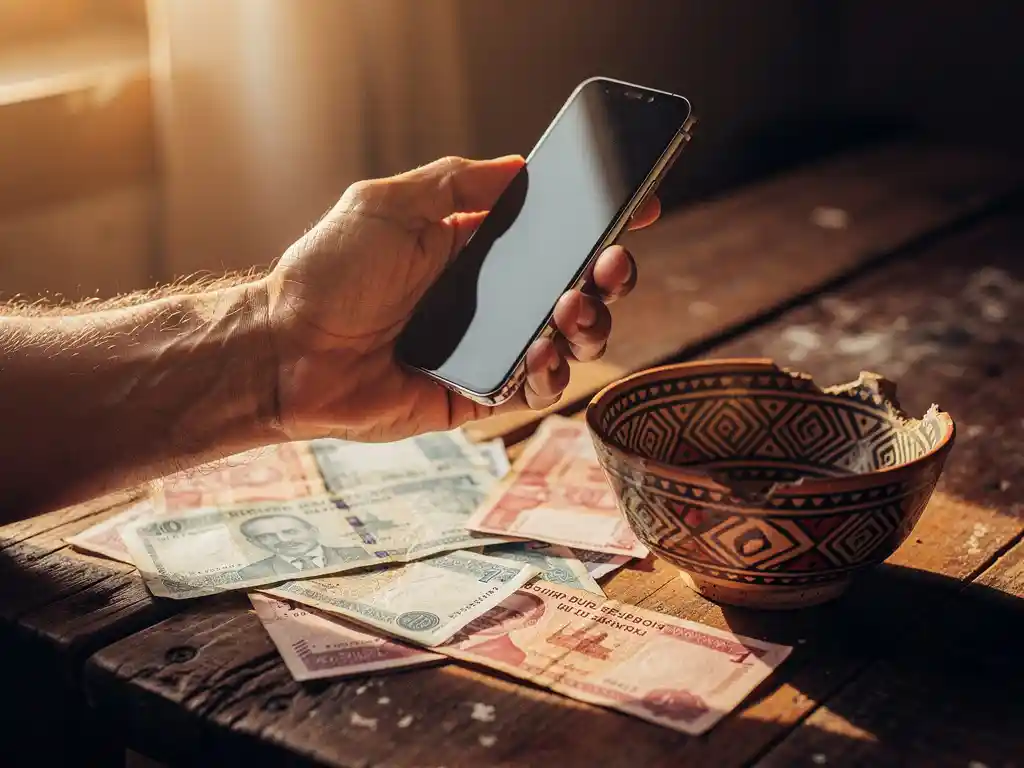
Yes, you can send money to Egypt using an app in 2026. Several reliable money transfer apps support Egypt as a destination, allowing you to send funds directly to Egyptian bank accounts or arrange cash pickup at local agents. The experience has improved significantly, with faster transfers, clearer fees, and better exchange rates than traditional wire transfers. Below, we answer the most common questions so you know exactly what to expect before you send.
Which apps actually work for sending money to Egypt in 2026?
A number of well-established apps support money transfers to Egypt in 2026, including Wise, Western Union, Remitly, WorldRemit, and MoneyGram. Each platform connects senders in Europe, the US, Australia, and beyond with recipients in Egypt through bank deposits or cash pickup networks. The right choice depends on your transfer amount, preferred delivery method, and how quickly the money needs to arrive.
When choosing an app, it helps to look at a few practical factors:
- Coverage: Does the app support your sending country and Egypt as the receiving country?
- Delivery options: Can your recipient receive a bank deposit, or do they need cash pickup?
- Language support: Is the app available in a language you are comfortable using?
- Reputation: Is the provider regulated and trusted by other diaspora senders?
If you regularly send money to Africa more broadly, whether to send money to Nigeria, send money to Sudan, or send money to Uganda, it is worth finding a single platform that covers multiple African destinations so you are not juggling several apps at once.
What are the fees for sending money to Egypt through an app?
Fees for sending money to Egypt through an app typically range from 0% to around 4% of the transfer amount, depending on the platform, your payment method, and the exchange rate margin applied. Most apps charge either a flat fee, a percentage-based fee, or a combination of both. The exchange rate markup is often where the real cost hides, so always compare the mid-market rate with what the app offers.
Here is a general breakdown of how costs are structured:
- Transfer fee: A fixed or percentage charge applied per transaction.
- Exchange rate margin: The difference between the real exchange rate and the rate the app gives you. This is often the largest hidden cost.
- Payment method surcharge: Paying by credit card usually costs more than paying by bank transfer or debit card.
- Recipient fees: Some banks in Egypt charge a receiving fee, which is separate from the sender’s app fee.
Always use the app’s fee calculator before confirming a transfer. A low headline fee with a poor exchange rate can cost you more than a slightly higher fee with a competitive rate.
How long does an app transfer to Egypt take?
App transfers to Egypt typically take between a few minutes and three business days, depending on the platform, the delivery method, and your payment source. Cash pickup transfers are often the fastest, sometimes completing within minutes. Bank deposits generally take one to two business days, though some providers offer same-day or next-day options for an additional fee.
Transfer speed is influenced by several factors:
- Payment method: Debit card payments tend to process faster than bank transfers.
- Verification status: First-time senders may experience delays while identity checks are completed.
- Time of day and day of week: Transfers initiated on weekends or public holidays may not process until the next business day.
- Recipient bank: Some Egyptian banks process incoming international transfers faster than others.
What’s the difference between bank deposit and cash pickup in Egypt?
A bank deposit sends money directly to your recipient’s Egyptian bank account, while cash pickup allows the recipient to collect physical cash from a partner agent location such as a Western Union or MoneyGram outlet. Bank deposits are convenient for recipients with a bank account and are generally more secure, while cash pickup works well for recipients in areas with limited banking access.
Egypt has a relatively developed banking sector in urban areas, but many people in rural regions still rely on cash. This makes the choice of delivery method a practical one based on where your recipient lives and what infrastructure they have access to.
Bank deposits are often preferred for larger amounts because they leave a clear transaction record and do not require the recipient to travel to a pickup point. Cash pickup, on the other hand, is ideal when speed is the priority or when the recipient does not have a formal bank account.
Are there limits on how much money you can send to Egypt?
Yes, most apps impose limits on how much money you can send to Egypt, and these limits vary by platform and your verification level. Unverified accounts typically face lower limits, often capped at a few hundred euros or dollars per transaction or per month. Once you complete full identity verification, limits increase significantly, sometimes to tens of thousands of euros per transfer.
Limits are also shaped by regulations in both your sending country and Egypt. Egyptian foreign exchange rules mean that large incoming transfers may require additional documentation on the recipient’s end. If you regularly need to send money to Africa in larger amounts, whether to Egypt, send money to Tanzania, or send money to Eritrea, completing full verification on your chosen platform early is the best way to avoid disruptions.
What do you need to send money to Egypt for the first time?
To send money to Egypt for the first time through an app, you need a verified account, a valid payment method, and your recipient’s details. Most platforms require a government-issued ID for identity verification, along with your recipient’s full name, Egyptian bank account number or IBAN, and the bank’s SWIFT or BIC code if you are making a bank deposit.
Here is what to prepare before your first transfer:
- Create and verify your account: Upload a valid passport or national ID and complete any selfie or address verification the platform requires.
- Add a payment method: Link your debit card, credit card, or bank account to fund the transfer.
- Gather recipient details: For bank deposits, you need the recipient’s full legal name, bank name, account number, and SWIFT code. For cash pickup, you need their full name and a contact number.
- Enter the transfer amount: Use the app’s calculator to see the exact amount your recipient will receive after fees and exchange rates are applied.
- Confirm and track: Once sent, most apps provide a tracking reference so both you and your recipient can monitor the transfer in real time.
The process is straightforward once your account is verified. If you are also sending to other African countries, the same verified account often covers destinations like send money to Nigeria from Australia, send money to South Sudan, or send money to Africa from the United States, saving you from repeating the setup process on multiple platforms.
How FroggyTalk helps you stay connected and financially supported
Sending money is only one part of staying close to the people you care about. We built FroggyTalk to be your digital home base abroad, a place where you can handle both your communication and your financial needs in one app, without language barriers getting in the way.
Here is what we offer to support you:
- International money transfers with transparent fees, no hidden charges, and real-time tracking so you always know where your money is.
- Affordable international calls to phones across Africa, including Egypt, Nigeria, Eritrea, Sudan, and more, charged per second with no connection fees.
- Full multilingual support in Arabic, Hausa, Amharic, Tigrinya, French, and more, so everything in the app can be used in your own language.
- A Radio Hub with African FM stations, so you can stay connected to your culture while you manage your finances.
- Bill payment services for essential needs, available directly through our bill payment feature.
We want you to feel heard, seen, and valued, not just as a user, but as a person navigating life far from home. If you have questions about our money transfer service or any other feature, get in touch with us and we will help you in your preferred language.
Frequently Asked Questions
What happens if I send money to the wrong Egyptian bank account?
If you enter incorrect recipient details, contact your transfer app’s customer support immediately — the sooner you act, the better your chances of stopping or reversing the transfer. Most providers can attempt a recall if the funds have not yet been credited to the recipient’s account, though this is not always guaranteed and may take several business days. To avoid this situation, always double-check the IBAN, SWIFT code, and recipient’s full legal name before confirming any transaction.
Can my recipient in Egypt receive money in Egyptian pounds (EGP) or US dollars?
Most app transfers to Egyptian bank accounts are converted and deposited in Egyptian pounds (EGP), which is the standard for domestic bank accounts in Egypt. However, some Egyptian banks do offer foreign currency accounts that can receive USD or EUR directly — if your recipient holds one of these accounts, confirm with your transfer app whether they support foreign currency deposits to Egypt. It is worth asking your recipient which account type they hold before initiating the transfer to avoid unexpected conversion fees on their end.
Is it safe to send large amounts of money to Egypt through an app?
Yes, sending large amounts through reputable, regulated apps is generally safe, provided you complete full identity verification on the platform beforehand. Licensed providers like Wise, Remitly, and Western Union are regulated by financial authorities in their operating countries and use encryption and fraud monitoring to protect transfers. For very large amounts, a bank deposit is recommended over cash pickup, as it creates a documented transaction trail and reduces the risk of loss or theft at the collection point.
What if my recipient doesn't have a bank account in Egypt — what are my options?
If your recipient does not have an Egyptian bank account, cash pickup is the most practical alternative, available through networks like Western Union, MoneyGram, and WorldRemit at thousands of agent locations across Egypt, including in smaller towns and rural areas. Some apps also support mobile wallet transfers where available, which can be a convenient middle ground for recipients with a smartphone but no formal bank account. When setting up a cash pickup transfer, make sure your recipient brings a valid government-issued ID to the collection point, as this is required to release the funds.
How do I get the best exchange rate when sending money to Egypt?
The best way to secure a competitive exchange rate is to compare multiple apps using their built-in calculators on the day you plan to send, since rates fluctuate with the market. Look beyond the headline transfer fee and focus on how much Egyptian pounds your recipient will actually receive — this figure reflects both the fee and the exchange rate margin combined. Paying by bank transfer or debit card rather than credit card also tends to reduce your total cost, as credit card payments typically carry a surcharge that eats into the value of your transfer.
Will my recipient in Egypt be taxed or need to declare the incoming transfer?
Personal remittances sent to family members in Egypt are generally not subject to income tax for the recipient, but Egyptian foreign exchange regulations may require the recipient’s bank to document large incoming transfers. If you are sending a significant amount, it is advisable to let your recipient know in advance so they can prepare any paperwork their bank may request. For transfers related to business or investment purposes rather than personal support, consulting a local financial or legal advisor in Egypt is recommended to ensure full compliance.
Can I schedule recurring transfers to Egypt, or do I have to send manually each time?
Several major transfer apps, including Wise and Remitly, offer the option to set up recurring or scheduled transfers, which is especially useful if you send a regular amount to family each month. This feature lets you lock in the transfer frequency and amount so you do not have to repeat the process manually, though the exchange rate will still fluctuate with each transfer unless the platform offers a rate-lock option. Check the app’s settings or help center to see whether recurring transfers are supported for Egypt as a destination, as availability can vary by sending country.