


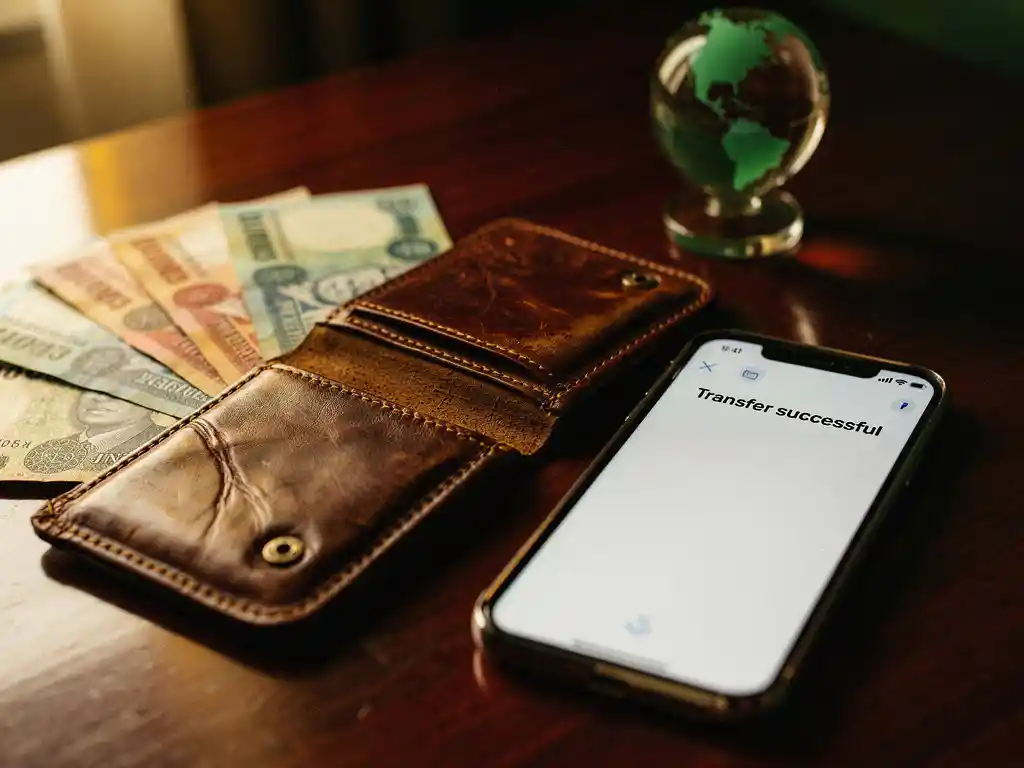
Uganda has a well-developed banking sector that supports international transfers, making it relatively straightforward to send money to Uganda for family support, business payments, or personal needs. Whether you are part of the Ugandan diaspora in Europe or supporting loved ones back home, understanding how the local banking system works can save you time, money, and frustration.
This guide answers the most common questions about receiving international transfers in Uganda, including which banks accept them, how long the process takes, and what it costs. We also cover practical alternatives so you can choose the option that works best for your situation.
Which banks in Uganda can receive international transfers?
Most major commercial banks in Uganda can receive international wire transfers through the SWIFT network. The most widely used options include Stanbic Bank Uganda, Standard Chartered Uganda, Centenary Bank, dfcu Bank, Absa Bank Uganda, and Equity Bank Uganda. These institutions are well connected to global correspondent banking networks and regularly process transfers from Europe, North America, and beyond.
Stanbic Bank and Standard Chartered are particularly popular among diaspora communities because of their strong international banking relationships and reliable processing infrastructure. Centenary Bank is a strong choice for recipients in rural or semi-urban areas, given its extensive branch network across the country. It is worth confirming with the recipient which bank they use before initiating a transfer, as this will determine the specific SWIFT code and account details you need.
What details do you need to receive money in Uganda?
To receive an international transfer into a Ugandan bank account, the sender needs the following details from the recipient: the full name of the account holder exactly as it appears on the account, the account number, the bank name and branch, the bank’s SWIFT or BIC code, and the bank’s physical address. Some transfers may also require the recipient’s national identification number.
Getting these details exactly right is important. Even a small discrepancy in the account holder’s name can cause a transfer to be delayed or rejected. Before sending, always ask the recipient to confirm the details directly from their bank statement or by visiting their branch. Here is a quick checklist of what to gather:
- Full legal name of the account holder
- Bank account number (savings or current)
- Bank name and specific branch
- SWIFT or BIC code of the receiving bank
- Bank branch address
- Recipient’s contact number (sometimes required by the sending institution)
Having all of these details ready before you initiate the transfer will make the process faster and reduce the risk of errors.
How long does an international bank transfer to Uganda take?
An international bank transfer to Uganda typically takes between two and five business days to arrive. The exact timing depends on the sending country, the banks involved, whether any intermediary or correspondent banks are used, and whether the transfer is initiated on a business day.
Transfers from European banks often pass through one or two correspondent banks before reaching the recipient’s Ugandan account, which can add a day or two to the process. Transfers initiated late on a Friday or just before a public holiday may not begin processing until the following business week. If speed matters, it is worth asking your provider whether they offer faster transfer options, though these sometimes come with higher fees.
What are the fees for receiving money in a Ugandan bank?
Ugandan banks typically charge a receiving fee for incoming international transfers. This fee varies by bank but commonly ranges from a flat administrative charge to a small percentage of the transferred amount. In addition to the receiving bank’s fee, the sender’s bank may charge a sending fee, and any correspondent banks involved in routing the transfer may also deduct charges along the way.
This layered fee structure means the recipient often receives slightly less than the amount sent. Currency conversion is another cost to factor in, as the exchange rate applied by the bank may not be the mid-market rate. To avoid surprises, it helps to:
- Ask your sending provider for a full fee breakdown before confirming the transfer
- Check whether fees are deducted from the sent amount or charged separately
- Compare the exchange rate offered against the current mid-market rate
- Ask the recipient to confirm with their bank whether any receiving fees apply
Transparency on fees is one of the most important factors when choosing how to send money to Uganda, and it is worth taking a few minutes to compare options before committing.
What are the alternatives to bank transfers for sending money to Uganda?
Beyond traditional bank transfers, several alternatives let you send money to Uganda more quickly, more affordably, or with greater convenience. Mobile money services are particularly popular in Uganda, where platforms like MTN Mobile Money and Airtel Money are widely used. Recipients do not need a bank account to receive funds through these services, making them accessible to a broader population.
Dedicated international money transfer services often offer better exchange rates and lower fees than banks, with faster delivery times. Many of these platforms allow you to send directly to a mobile money wallet, a bank account, or even arrange cash pickup. For diaspora communities in Europe, using a service that supports your preferred language and offers transparent pricing can make a significant difference, especially when you are sending money regularly to support family.
You can also explore bill payment options that let you pay utility bills or airtime directly on behalf of someone in Uganda, which removes the need for the recipient to manage the funds themselves and ensures the money reaches its intended purpose.
How FroggyTalk helps with sending money to Uganda
We built FroggyTalk around one belief: that everyone deserves to feel heard, seen, and noticed, no matter where in the world they are. Our International Money Transfer Service extends that mission into financial inclusion, making it easier for African diaspora communities in Europe to support their families back home.
Here is what we offer:
- Transparent fees with no hidden charges, so you always know exactly how much arrives
- Competitive exchange rates that respect the value of every euro you send
- Real-time transaction tracking so you and your recipient stay informed
- Multilingual support in English, Arabic, Hausa, Amharic, French, Swedish, Dutch, and more
- Everything in the app can be translated into your local language, so you never have to navigate in a language that is not yours
- A single platform where you can manage both your calls and your transfers
We understand that sending money home is not just a transaction. It is care, connection, and responsibility. Whether you are sending support to Uganda or staying in touch with the people who matter most, we are here to make it simple and affordable. Get in touch with our team to learn more about how we can help you send money to Uganda with confidence.