


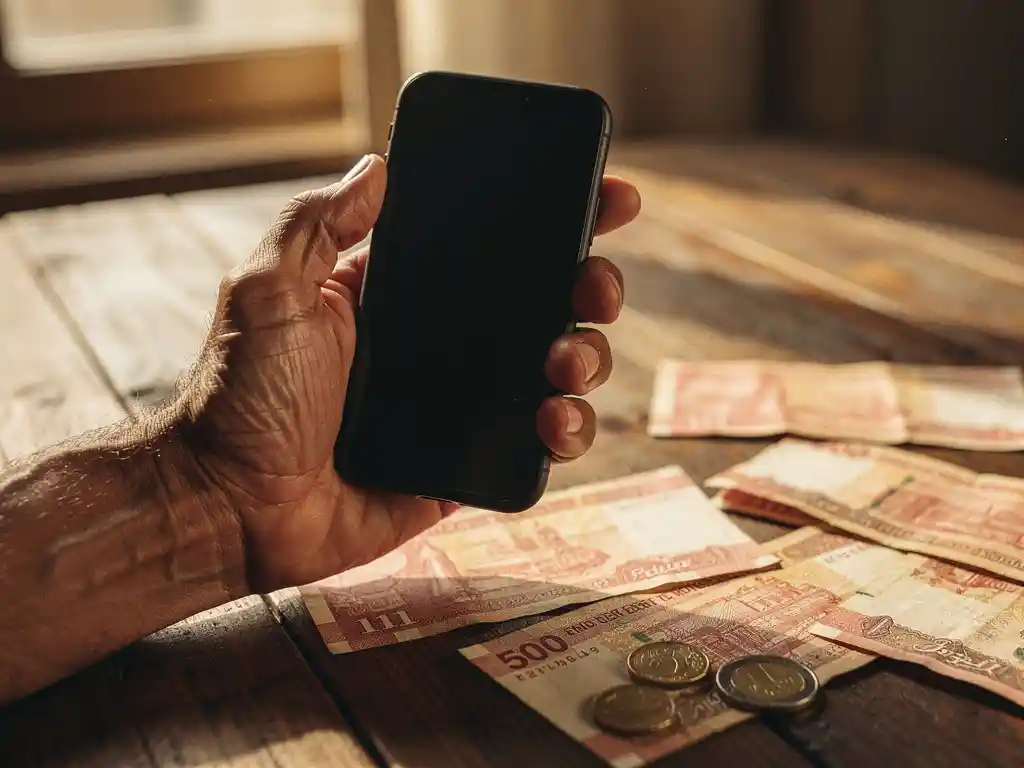
Most calling apps do not offer money transfer services to Egypt as a built-in feature. Calling platforms are designed for voice communication, and while some are expanding into financial services, the two functions are typically handled by separate apps. That said, a growing number of platforms are beginning to combine communication and remittance tools in one place, which is especially useful for diaspora communities that need both.
Below, we answer the most common questions about calling apps, money transfers, and what to look for when sending money to Egypt or anywhere else in Africa.
What apps let you call and send money internationally?
Most international calling apps focus on voice services and do not include money transfer features. Apps that do combine both functions are still relatively rare, but platforms built specifically for diaspora communities are beginning to bridge this gap by offering calling, cultural content, and financial tools under one roof.
Here is a breakdown of the main categories:
- Calling-only apps: These let you make international calls over the internet, often at low per-minute or per-second rates. Examples include apps designed for specific diaspora communities with transparent billing.
- Money transfer apps: Dedicated remittance platforms like Wise, WorldRemit, or Remitly focus solely on moving money across borders. They offer competitive exchange rates but no calling features.
- Combined platforms: A newer category of apps is emerging that integrates communication, cultural content, and financial services. These are particularly relevant for African diaspora communities in Europe that want a single trusted platform.
For most people, the practical approach in 2026 is to use one app for calling and a separate, dedicated service for sending money, unless a platform you already trust has expanded into both areas.
Can calling apps actually transfer money to Egypt?
Standard calling apps cannot transfer money to Egypt. Voice-over-internet calling platforms are built on telecom infrastructure, not financial licensing, which means they are not regulated to move funds across borders. To send money to Egypt legally and securely, you need a service that is authorized as a payment institution or money service business.
That said, the line between communication platforms and fintech is blurring. Some diaspora-focused platforms are actively expanding into remittance services, combining the trust built through everyday communication with regulated financial tools. This is particularly relevant for communities sending money to Egypt, Sudan, Nigeria, Eritrea, and other African countries, where trust and language accessibility matter as much as the transfer itself.
If a calling app you use announces a money transfer feature, always verify that it is licensed in your country before sending funds. Regulatory compliance is non-negotiable when it comes to international money transfers.
What are the most reliable ways to send money to Egypt?
The most reliable ways to send money to Egypt are through licensed remittance services that offer transparent fees, real-time tracking, and strong exchange rates. Reliability depends on speed, delivery method, and whether the recipient can access the funds easily on the Egyptian side.
Here are the most commonly used methods, ranked by what diaspora senders tend to prioritize:
- Bank transfers: Secure and widely accepted, but often slower and more expensive due to intermediary bank fees.
- Dedicated remittance platforms: Services built specifically for international transfers offer competitive rates, faster delivery, and clearer fee structures than traditional banks.
- Mobile wallet transfers: Increasingly popular in Egypt, these allow recipients to receive funds directly into a mobile wallet without needing a bank account.
- Cash pickup services: Useful when recipients do not have bank access. Funds are collected at a local agent or partner location in Egypt.
- Diaspora-focused platforms: Platforms built for African communities abroad are expanding into bill payment and transfer services, combining cultural familiarity with financial tools.
Whatever method you choose, always confirm the total amount the recipient will receive before completing the transfer, including all fees and the applied exchange rate.
How do exchange rates and fees affect money transfers to Egypt?
Exchange rates and fees directly determine how much money actually arrives in Egypt. Even a small difference in the exchange rate or a hidden connection fee can significantly reduce the value of a transfer, especially for families relying on regular remittances to cover essential expenses.
There are two costs to watch closely:
- Transfer fees: Some services charge a flat fee, others charge a percentage of the amount sent. Always check whether there are additional charges for using a debit card, credit card, or bank account.
- Exchange rate margins: Most services do not offer the mid-market rate. The difference between the mid-market rate and the rate you are offered is where many platforms make their money. A wider margin means less arrives at the destination.
The best approach is to compare the total amount the recipient will receive, not just the advertised fee. A service with a low fee but a poor exchange rate can cost more overall than one with a slightly higher fee but a better rate. Platforms that commit to transparent, per-second or per-unit billing in their calling services tend to carry the same philosophy into their financial tools, which is a useful signal of trustworthiness.
What should diaspora communities look for in a calling and transfer app?
Diaspora communities should look for platforms that combine transparent pricing, multilingual support, cultural familiarity, and regulatory reliability. Whether you are sending money to Egypt, Nigeria, Sudan, or Uganda, the right platform should make you feel heard, seen, and supported throughout the process, not just processed.
Here are the key features to prioritize:
- Transparent fees with no hidden charges: Look for services that show you the exact cost upfront, whether that is per-second calling rates or flat transfer fees with no surprises.
- Multilingual support: If you are more comfortable in Arabic, Hausa, Amharic, Tigrinya, or French, the platform should work in your language. Everything in the app should be accessible in your local language so you can navigate with confidence.
- Cultural relevance: Platforms built specifically for African diaspora communities understand the context behind your transfers, whether you are supporting family in Eritrea, paying a bill in Nigeria, or sending funds to contacts in Tanzania or South Sudan.
- Real-time tracking: You should be able to follow your transfer from the moment it leaves your account to the moment it arrives.
- Licensed and regulated: Any platform handling your money must be authorized in your country of residence. This protects both you and the recipient.
- Combined communication and financial tools: A platform that handles both calling and transfers saves time and builds trust through daily use.
For diaspora communities sending money to Africa from Europe, Australia, or the United States, the emotional dimension matters too. You want a platform that understands why you are sending money, not just how.
How FroggyTalk helps with international money transfers
We built FroggyTalk to be more than a calling app. Our platform was created specifically for African diaspora communities that need reliable, affordable, and culturally familiar tools to stay connected and support the people they love back home.
Here is what we offer:
- International Money Transfer Service: Send money securely to Eritrea, Sudan, Ethiopia, Niger, Nigeria, and other African countries with competitive exchange rates and no hidden fees.
- Transparent billing: The same per-second, no-surprises approach we apply to calling minutes carries through to every financial service we offer.
- Multilingual support: Everything in the app can be navigated in your preferred language, including Tigrinya, Arabic, Hausa, Amharic, French, and more, so you never have to struggle with a language barrier when managing your money.
- All in one place: Manage your international calls, listen to radio from home, and send money to family, all through a single trusted platform.
- Built for you: We want every user to feel heard, seen, and noticed. Our support team understands the communities we serve, because we come from those communities.
Whether you are sending money to Egypt, Nigeria, South Sudan, Uganda, or Tanzania, we are here to make that process simple, affordable, and human. Get in touch with us to learn more or get started today.
Frequently Asked Questions
How long does it typically take to send money to Egypt?
Transfer times to Egypt vary depending on the service and delivery method you choose. Dedicated remittance platforms often process transfers within minutes to a few hours, while bank-to-bank transfers can take one to five business days due to intermediary processing. Mobile wallet and cash pickup options tend to be faster, making them a good choice when the recipient needs funds urgently.
Is it safe to send money to Egypt through an app?
Yes, as long as you use a licensed and regulated platform. Always verify that the service is authorized as a payment institution or money service business in your country of residence before sending funds. Look for platforms that use encryption, offer real-time tracking, and have a clear complaints or dispute resolution process. Avoid any app or service that cannot demonstrate regulatory compliance, regardless of how low their fees appear.
What is the best way to send money to someone in Egypt who does not have a bank account?
Cash pickup services and mobile wallet transfers are the most practical options for recipients in Egypt without a bank account. Cash pickup allows the recipient to collect funds at a local partner or agent location, while mobile wallets let them receive money directly on their phone without needing a traditional bank account. When choosing a service, confirm that it has a strong network of pickup points or supported wallet providers in the specific city or region where your recipient lives.
Are there limits on how much money I can send to Egypt at once?
Yes, most remittance platforms and payment services impose sending limits, which can vary based on your account verification level, the country you are sending from, and local regulations in Egypt. Completing full identity verification on your chosen platform typically unlocks higher transfer limits. It is also worth checking whether Egyptian regulations impose any caps on inbound transfers, particularly for large amounts, as these rules can affect how quickly your recipient can access the funds.
What documents or information do I need to send money to Egypt?
To send money internationally, you will generally need to verify your identity with a government-issued ID such as a passport or national ID card, and in some cases proof of address. For the recipient, you will need their full name as it appears on their ID, their bank account details or mobile wallet number, and sometimes their address. Having this information ready before you start the transfer process helps avoid delays and ensures the funds reach the right person.
Can I schedule regular or recurring transfers to Egypt?
Many dedicated remittance platforms allow you to set up recurring transfers, which is a convenient option if you send money to family in Egypt on a regular basis. This feature automates the process so you do not have to manually initiate each transfer, saving time and reducing the risk of missing a payment. When setting up recurring transfers, always monitor exchange rates periodically, as the amount your recipient receives can fluctuate even if your sending amount stays the same.
What should I do if my money transfer to Egypt is delayed or does not arrive?
Start by checking the real-time tracking feature within your app or platform to identify where the transfer is in the process. If the status has not updated within the expected timeframe, contact the platform's customer support team with your transaction reference number ready. Reputable, regulated services have formal procedures for investigating and resolving delayed or failed transfers, and in most cases they are legally required to either complete the transfer or issue a refund within a defined timeframe.