


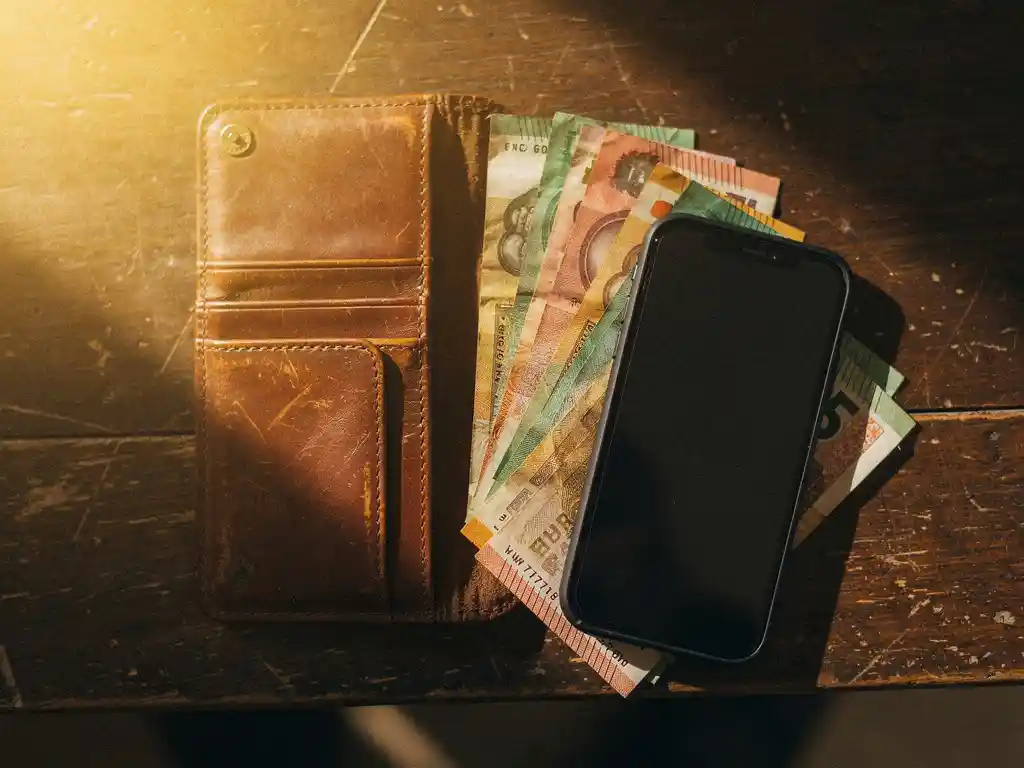
Sending money across borders is one of the most important financial actions many people in the diaspora take regularly. Whether you are supporting a family member, covering medical costs, or helping a relative with everyday expenses, every euro counts. Understanding how international money transfers work—and how to avoid unnecessary costs—can make a real difference for both you and the people you love.
This guide answers the most common questions about international transfers so you can send money more wisely, pay less in fees, and feel confident every time you hit send.
What is an international money transfer?
An international money transfer is the process of sending funds from one country to another, typically from a sender’s bank account or digital wallet to a recipient in a different country. The transfer can be deposited into a bank account, delivered to a mobile wallet, or collected as cash, depending on the service and the destination country.
These transfers are used for a wide range of purposes, from supporting family members and paying school fees to running cross-border businesses. The process involves converting your currency into the recipient’s local currency, which is why exchange rates play such a significant role in how much money actually arrives.
For many people in the African diaspora—whether sending money to Nigeria, Ethiopia, Eritrea, or elsewhere on the continent—these transfers are a lifeline that connects families across thousands of kilometres.
Why are international transfer fees so high?
International transfer fees are high because multiple parties are involved in moving money across borders, and each one takes a cut. Banks and transfer operators charge for currency conversion, compliance checks, correspondent banking networks, and the risk associated with cross-border transactions.
Traditional banks tend to be the most expensive option because they rely on intermediary banks to route payments internationally. Each intermediary bank in the chain can add its own fee, which reduces the amount your recipient ultimately receives. Regulatory requirements around anti-money laundering and identity verification also add operational costs that providers pass on to customers.
For diaspora communities sending smaller, frequent amounts home, these fees can eat up a disproportionate share of each transfer. That is why choosing the right provider matters so much.
What are the cheapest ways to send money internationally?
The cheapest ways to send money internationally are dedicated online transfer services and fintech apps, which typically offer lower fees and better exchange rates than traditional banks. Options like specialist remittance platforms, mobile money services, and integrated diaspora apps have transformed what affordable sending looks like.
Here are the most cost-effective methods to consider:
- Online remittance platforms that specialize in specific corridors, such as Europe to Africa, often offer the most competitive rates because they have optimized their processes for those exact routes.
- Mobile money transfers that deliver funds directly to a mobile wallet, which is especially useful in countries where mobile money is widely used.
- Integrated diaspora apps that bundle communication and financial services, reducing overhead and passing savings on to users.
- Peer-to-peer transfer services that match buyers and sellers of currency to minimize conversion costs.
The key is to compare the total cost, not just the advertised fee. Always check what exchange rate is being applied before you confirm a transfer.
What’s the difference between transfer fees and exchange rate markups?
Transfer fees are the flat or percentage-based charges a provider states upfront, while exchange rate markups are hidden costs built into the conversion rate itself. The markup is the difference between the real mid-market exchange rate and the rate the provider offers you, and it is often where providers make the most money.
For example, a service might advertise zero transfer fees but apply an exchange rate that is several percentage points worse than the mid-market rate. On a transfer of 500 euros, even a 3% markup means your family receives the equivalent of 15 euros less than they should. Over a year of regular transfers, that adds up significantly.
Always use a currency converter to check the mid-market rate before sending, then compare it to the rate your provider offers. The closer the two numbers are, the better the deal you are getting.
How do you choose the best transfer method for your needs?
Choosing the best transfer method depends on four key factors: the destination country, the delivery method your recipient needs, how quickly the money must arrive, and the total cost, including both fees and exchange rate markups.
Work through these steps to find the right option:
- Identify your destination corridor. Some providers specialize in specific routes, such as Europe to West Africa or Europe to the Horn of Africa, and offer much better rates for those corridors than general providers.
- Confirm how your recipient can receive funds. Not every country has widespread access to bank accounts, so check whether mobile money or cash pickup is more practical.
- Compare the total cost. Use comparison tools to see the full picture, including fees and the exchange rate applied, so you know exactly how much arrives.
- Check transfer speed. Some services deliver within minutes; others take several days. Match the speed to your urgency.
- Verify the provider’s reliability. Look for licensed, regulated services with clear customer support, especially if something goes wrong.
A service that supports your language throughout the process is also worth prioritizing. Navigating a financial transaction in a language you are not fully comfortable with increases the risk of errors and misunderstandings.
What mistakes should you avoid when sending money abroad?
The most common mistakes when sending money abroad are using bank transfers without comparing alternatives, overlooking exchange rate markups, and entering recipient details incorrectly. Each of these can cost you money or cause significant delays.
Other mistakes to watch out for include:
- Sending through a provider that charges connection fees or imposes minimum transfer amounts that make small transfers disproportionately expensive.
- Ignoring the total amount delivered in favor of focusing only on the advertised fee.
- Using a provider without verifying that it is properly licensed and regulated in your country.
- Failing to keep transaction records, which matters for your own financial tracking and in case of disputes.
The safest approach is to use a trusted, transparent service that shows you exactly what your recipient will receive before you confirm the transfer, with no surprises on either end.
How FroggyTalk helps with international money transfers
We built FroggyTalk around one simple belief: you deserve to feel heard, seen, and valued. That extends beyond phone calls to the financial lifelines you send home every month. Our International Money Transfer Service is designed specifically for African diaspora communities in Europe, with the same commitment to transparency and affordability that drives everything we do.
Here is what makes our transfer service different:
- Transparent fee structures with no hidden charges, so you always know what your family receives.
- Competitive exchange rates on key corridors, including Nigeria, Eritrea, Ethiopia, Sudan, and Niger.
- Multilingual support in Tigrinya, Hausa, Amharic, Arabic, French, and more, so you can complete every step in your own language.
- Seamless integration with our calling platform, so you can stay connected and send money from one trusted app.
- Real-time transaction tracking for peace of mind from the moment you send to the moment it arrives.
Everything in the FroggyTalk app can be translated into your local language, making the process clear and accessible no matter where you are from. We also offer bill payment services so you can handle even more in one place.
Ready to send smarter? Get in touch with our team if you have any questions. We are here to help.