


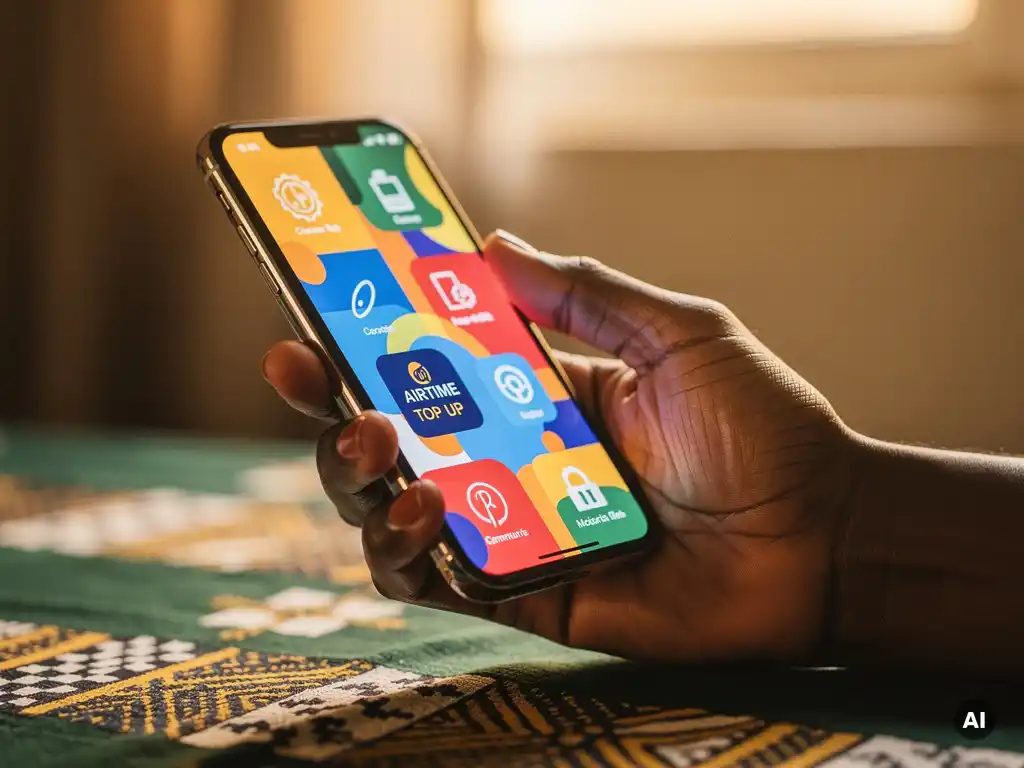
The best websites to buy airtime online are those that offer transparent pricing, instant delivery, and support for the countries and networks you need. For African diaspora communities in Europe, platforms that cover networks across Eritrea, Sudan, Ethiopia, Niger, Nigeria, and similar destinations are the most practical choice. Below, we answer the most common questions about buying airtime online so you can make the right call.
Which websites let you buy airtime for phones in Africa?
Several platforms let you send airtime for Africa directly to a mobile number, including dedicated top-up services and some mobile banking apps. The most reliable options support major African networks and deliver credit instantly, without requiring the recipient to do anything on their end. Look for platforms that clearly list supported countries and networks before you enter your payment details.
When choosing a website, the key things to check are country coverage, supported mobile networks, and whether the platform charges hidden fees on top of the listed price. Some services also let you top up airtime for someone abroad directly from your browser or phone, making it easy to support family members without needing to wire money separately.
- Check that the platform supports the specific country and mobile network you need
- Confirm that airtime is delivered instantly or within a few minutes
- Read reviews to verify reliability, especially for less common African networks
- Look for platforms with multilingual interfaces if English is not your first language
What fees should you watch out for when buying airtime online?
When buying airtime online, the fees to watch out for include service charges added at checkout, currency conversion fees, and transaction fees applied by your bank or card provider. Some platforms advertise a low airtime price but add a service fee at the final step, which can significantly increase the total cost.
Always check the final amount before confirming your purchase. A trustworthy platform will show you the full cost upfront, including any service charges, so you know exactly how much airtime the recipient will receive on their phone. If the breakdown is unclear, that is a red flag worth taking seriously.
How does online airtime top-up actually work?
Online airtime top-up works by letting you pay for mobile credit through a website or app, which then sends that credit directly to a phone number. The recipient does not need internet access, a smartphone, or an account on any platform. The airtime appears on their phone just like a standard recharge.
Here is how the process typically works, step by step:
- Visit the top-up website or open the app
- Select the destination country and enter the recipient’s phone number
- Choose the airtime amount you want to send
- Review the total cost, including any fees
- Complete payment using your preferred method
- The recipient receives the airtime credit on their phone, usually within minutes
The simplicity of this process is what makes it so valuable for diaspora communities. You can top up a family member’s phone in Nigeria or Ethiopia from your home in the Netherlands without either of you needing to visit a shop or use a voucher.
Is it safe to buy airtime online with a debit or credit card?
Yes, it is safe to buy airtime online with a debit or credit card, provided you use a reputable platform that uses secure payment processing. Look for HTTPS in the website address and recognizable payment processors. Avoid platforms that ask for more personal information than necessary or that have no visible contact details or customer support.
As an extra layer of protection, consider using a card that offers purchase protection or fraud monitoring. If you are using a top-up service for the first time, start with a smaller amount to test the reliability of the delivery before sending a larger top-up.
What’s the difference between buying airtime and making internet calls?
Buying airtime gives mobile credit to a phone so the recipient can make regular calls and send SMS messages using their mobile network. Making internet calls, by contrast, routes the call through an internet connection, which typically costs much less per minute and does not require the recipient to have any airtime balance at all.
For diaspora communities calling family across Africa, internet calls often offer significantly better value. Rather than thinking only in currency amounts, it helps to think in minutes: how many minutes of talk time does your money actually buy? Internet calling apps can offer far more minutes for the same spend compared to standard airtime top-ups, especially for international calls.
The right choice depends on the situation. Airtime top-ups are ideal when the recipient needs to be able to call or text others on their own. Internet calls are better when you want to have a long conversation yourself without worrying about per-minute costs eating into a balance.
Which payment methods are accepted on airtime top-up websites?
Most airtime top-up websites accept debit cards, credit cards, and PayPal. Some platforms also support mobile payment methods such as Apple Pay or Google Pay. Acceptance of bank transfers varies by platform and country, and some services are beginning to accept digital wallets as well.
If you prefer to manage everything in one place, including both communication and payments, look for platforms that integrate multiple services. Having a single trusted app that handles calling, top-ups, and even money transfers simplifies your digital life considerably, especially when you are regularly supporting family members across different African countries.
How FroggyTalk helps you stay connected affordably
We built FroggyTalk because we know what it means to feel far from home and to want to stay close to the people who matter most. Our platform is designed specifically for African diaspora communities in Europe, and we want every user to feel heard, seen, and valued.
- Affordable international calls: Make calls to phones across Africa using your internet connection, with per-second billing and no hidden fees, so you always know exactly how many minutes your money buys
- No app needed on the other end: The person you are calling does not need to download anything or have internet access
- Multilingual support: Everything in the app can be translated into your local language, including Tigrinya, Arabic, Hausa, Amharic, French, and more
- Bill payment and airtime top-ups: Send airtime directly to a phone in Africa without leaving the platform
- Radio Hub: Listen to FM radio stations from your home region to stay connected to culture and community
Whether you want to top up a family member’s phone or make a long call without watching the clock, FroggyTalk is built to make that as simple and affordable as possible. Have questions or want to know more about what we offer? Get in touch with us and we will be happy to help.
Frequently Asked Questions
Can I send airtime to any mobile network in Africa, or are some networks not supported?
Coverage varies by platform, so not every African mobile network will be supported by every top-up service. Before committing to a platform, always check its list of supported countries and networks — reputable services will publish this clearly on their website. If you regularly send airtime to a specific country like Eritrea, Sudan, or Niger, prioritize platforms that explicitly list those networks rather than assuming coverage is included.
What should I do if the airtime I sent never arrived on the recipient's phone?
First, double-check that the phone number you entered was correct, including the country code. If the number was right and delivery is delayed beyond the platform's stated timeframe (usually a few minutes), contact the platform's customer support with your transaction reference number — most reputable services can trace the transfer and either confirm delivery or issue a refund. This is why it is worth testing a new platform with a small top-up before sending larger amounts.
Is there a minimum or maximum amount of airtime I can send at one time?
Yes, most top-up platforms set both minimum and maximum limits per transaction, which can vary depending on the destination country and mobile network. Minimums are typically low enough to send a small test top-up, while maximums may be capped for security or regulatory reasons. If you need to send a large amount, you may need to split it across multiple transactions or check whether the platform offers higher limits for verified accounts.
Can I schedule a recurring airtime top-up so I don't have to remember to do it every month?
Some platforms offer recurring or scheduled top-up features, allowing you to automate a regular airtime send to a saved phone number. This is particularly useful if you support a family member on a fixed monthly basis and want to avoid forgetting or missing a payment. Check whether your chosen platform supports this feature and whether there are any additional fees associated with automated top-ups.
Do I need to create an account to buy airtime online, or can I check out as a guest?
Many platforms allow guest checkout for one-off top-ups, but creating an account is usually worth it if you plan to send airtime regularly. An account lets you save recipient phone numbers, view your transaction history, and often access loyalty rewards or lower fees over time. If privacy is a concern, look for platforms with clear data protection policies before registering.
How is buying airtime online different from buying a physical recharge voucher?
A physical recharge voucher requires the recipient to manually scratch and enter a code on their phone, whereas online airtime top-up delivers credit directly to the phone number with no action needed from the recipient. This makes online top-up far more convenient, especially when sending credit internationally — the recipient simply receives the balance on their phone without needing to visit a shop or handle a physical card. Online top-ups are also faster, more secure, and easier to track.
Are there any taxes or regulatory charges added to airtime top-ups for certain African countries?
In some countries, local governments or mobile operators apply taxes or levies to incoming airtime top-ups, which can reduce the amount the recipient actually receives compared to what you paid for. These charges are set by the destination country's regulations, not by the top-up platform, so even a transparent platform cannot always avoid them. The best platforms will disclose these deductions upfront in the transaction summary so you know exactly how much airtime will land on the recipient's phone.