


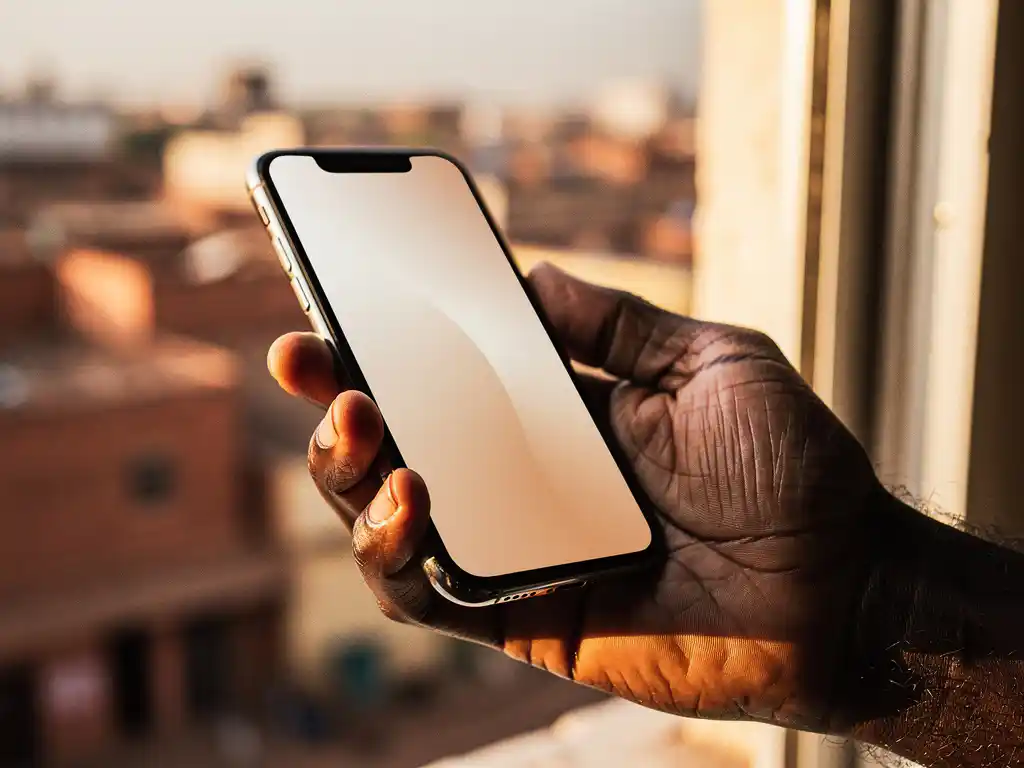
Staying connected with family and friends back home should never feel like a luxury. Yet for millions of migrants and refugees living abroad, the cost and complexity of international calling can make even a simple phone call feel out of reach. The good news is that free and low-cost online calling apps have transformed the way diaspora communities communicate across borders.
But with so many options available, how do you know which app is actually worth downloading? This guide answers the most common questions about free online calling apps, what to watch out for, and which solution works best if you are calling Africa from Europe.
What is a free online calling app, and how does it work?
A free online calling app is a software application that uses your internet connection to transmit voice calls, instead of routing them through a traditional phone network. This technology, known as Voice over Internet Protocol (VoIP), converts your voice into digital data packets, sends them over the internet, and reassembles them at the other end as clear audio.
Because the call travels over the internet rather than through a phone carrier’s infrastructure, the cost is dramatically lower. Most apps charge little or nothing for calls between two users who both have the app installed. For calls to regular mobile or landline numbers, a small per-minute or per-second fee typically applies.
The key advantage is flexibility. You can make an international call from anywhere you have a Wi-Fi or mobile data connection, without needing a local SIM card or an expensive international calling plan. The person you are calling does not always need to have the app, which makes these tools especially practical for reaching family members in countries where smartphone access is limited.
Are free calling apps really free, or are there hidden costs?
Most free calling apps are free for app-to-app calls, meaning both parties need to have the same app installed and an active internet connection. Calls to regular phone numbers, however, almost always carry a cost. The real question is not whether the app charges, but how transparent those charges are.
Common hidden costs to watch out for include:
- Connection fees: A flat charge added at the start of every call, regardless of how long you speak.
- Per-minute rounding: Being billed for a full minute even if your call lasts only a few seconds.
- Subscription traps: Apps that advertise free calling but require a paid monthly plan for the destinations you actually need.
- Poor call quality on free tiers: Deliberately degraded audio unless you upgrade to a paid plan.
- Credit expiry: Prepaid credit that disappears if you do not use it within a short window.
The most trustworthy apps are upfront about their rates before you top up. Look for apps that bill on a per-second basis, so you only pay for the exact time you spend talking. Transparent pricing with no connection charges and no credit expiry gives you genuine value for your money.
Which free calling apps work best for calling Africa?
The best calling apps for reaching Africa are those that offer reliable connections to African mobile and landline networks at affordable per-minute rates. General apps like WhatsApp and Messenger work well for app-to-app calls, but they require the recipient to have a smartphone, an account, and a stable internet connection, which is not always realistic in many African countries.
For calls to regular phone numbers across Africa, specialized VoIP apps tend to outperform general messaging platforms. They are built with African network infrastructure in mind, which means better call completion rates and fewer dropped connections. When evaluating options, consider:
- Coverage of your specific destination: Not all apps support every African country at competitive rates.
- Rate transparency: Can you clearly see the cost per minute before you make a call?
- No internet required on the receiving end: The recipient should be reachable on any phone.
- Language support: Is the app available in your preferred language?
- Weekly deals or promotions: Some apps offer significantly reduced rates on specific days.
Apps that specialize in diaspora communication tend to offer the most competitive rates to destinations like Nigeria, Ethiopia, Eritrea, Sudan, and beyond, because those routes are their core focus rather than an afterthought.
What features should you look for in a calling app?
The most important features in a calling app go beyond just making a call. For diaspora communities in particular, the right combination of features can make the difference between an app you use daily and one you delete after a week.
Core calling features
At a minimum, a good calling app should offer clear audio quality, reliable connections to the countries you call most, and the ability to reach any phone number without the recipient needing the app. Per-second billing is a significant advantage, as it ensures you are never overpaying for short calls.
Language and accessibility
Language support matters enormously. If you are more comfortable in Hausa, Amharic, Tigrinya, Arabic, or another African language, the app should be navigable in that language. An app that feels foreign and difficult to use is an app you will avoid. The ability to switch the entire interface into your preferred language makes a real practical difference.
Cultural and community features
Some calling apps go further by integrating features that connect you to your home culture. A built-in radio hub that streams FM stations from your home country, for example, turns a calling app into a genuine cultural companion. These extras may seem small, but they speak to whether a platform truly understands its users or is simply offering a generic product.
Transparent pricing and top-up options
Look for apps that display rates clearly, support multiple currencies, and offer weekly deals on popular destinations. Knowing exactly how many minutes you get for your money before you commit builds trust and helps you budget your communication costs effectively.
How can you get the best call quality on a free calling app?
Call quality on a VoIP app depends primarily on your internet connection, not the app itself. A strong, stable connection will almost always produce clear audio, while a weak or congested connection leads to delays, dropouts, and dropped calls.
To consistently get the best quality when making international calls, follow these practical steps:
- Connect to Wi-Fi whenever possible, as it is typically more stable than mobile data.
- Move closer to your router if you are on Wi-Fi and experiencing a weak signal.
- Avoid making calls during peak internet usage hours in your household.
- Close other apps and browser tabs that are consuming bandwidth in the background.
- Use a headset or earphones rather than your phone’s built-in speaker, which reduces echo.
- Keep your app updated, as developers regularly release improvements to audio processing.
If call quality is consistently poor despite a good connection, the issue may be on the receiving end. Calls to areas with limited infrastructure in certain African regions can experience more disruption. Choosing an app that has invested in high-quality routing for African destinations will help reduce these issues significantly.
What is the best free calling app for the African diaspora in Europe?
For African diaspora communities in Europe, the best calling app is one built specifically for your needs, not a general-purpose tool adapted as an afterthought. The ideal app offers low per-second rates to African destinations, works without requiring the recipient to have a smartphone or internet access, and supports the languages and cultures of its users.
General apps like WhatsApp are useful for staying in touch with family members who are online, but they fall short when you need to reach someone on a regular mobile number in Nigeria, Ethiopia, Eritrea, Sudan, or elsewhere. Specialized apps designed for diaspora communication close that gap by focusing on exactly those routes and those communities.
When comparing options, pay attention to how many minutes you actually get for your money. A low advertised rate means little if connection fees eat into your credit. Per-second billing with no hidden charges gives you the clearest picture of what you are spending.
The best app for you is also one where you feel at home. That means an interface available in your language, rates for your specific destination, and a platform that recognizes you as more than just a customer. You deserve to feel heard, seen, and valued, and the right app reflects that.
How FroggyTalk helps with international calling
We built FroggyTalk specifically for African diaspora communities in Europe because we know that staying connected with home should be simple, affordable, and free from unpleasant surprises. Here is what we offer:
- Per-second billing with no hidden fees or connection charges, so you always know exactly how many minutes you get for your money.
- Competitive weekly deals on popular destinations, including Nigeria (as low as 2 hours of talk time), Ethiopia, Eritrea, Sudan, Sierra Leone, Liberia, Zimbabwe, and more.
- No internet required on the receiving end, so you can call any mobile or landline number across Africa.
- Full app translation into your local language, including Tigrinya, Hausa, Amharic, Arabic, French, and more.
- A built-in Radio Hub streaming African FM stations, so you stay connected to your culture as well as your family.
- Support for multiple currencies, including EUR, USD, GBP, SEK, AUD, CAD, CHF, and ZAR.
We want every person in the African diaspora to feel heard, seen, and valued, whether you are calling home for the first time or the hundredth time. Check our current call rates and weekly deals to see exactly what you get for your credit, or get in touch with our team if you have any questions. You can also learn more about our international calling service or simply download the FroggyTalk app and start connecting today.