


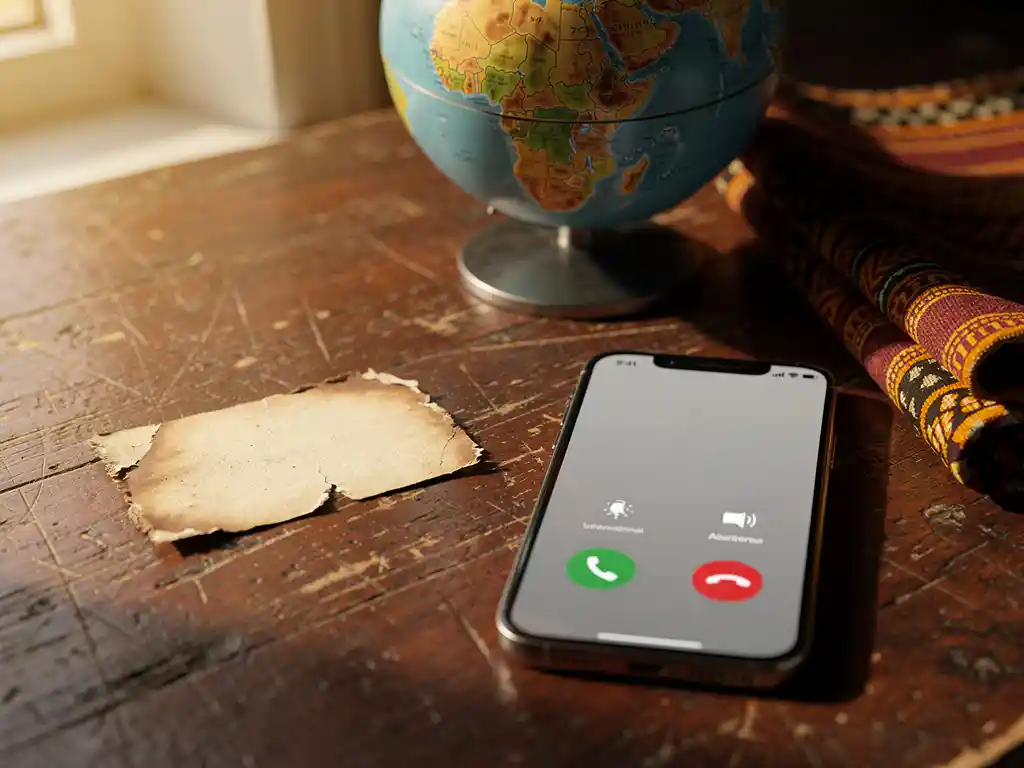
Calling cards were once the go-to solution for staying in touch with family across borders. You would scratch off a PIN, dial a long access number, and hope the connection held long enough to hear a familiar voice. For millions of people living abroad, those calls home are not just convenient — they are essential. But the tools available to make them have changed dramatically, and many people are still paying far more than they need to.
If you have been wondering whether there is a better way to make international calling affordable and reliable, the answer is yes. This guide walks you through everything you need to know, from why calling cards have fallen out of favor to what genuinely works today.
What are calling cards and why are they losing popularity?
Calling cards are prepaid cards that give you a set amount of calling credit to make international calls. You typically dial an access number, enter a PIN, and then dial your destination. They were popular before smartphones became widespread because they offered a cheaper alternative to direct international calls from a landline or mobile phone.
Today, calling cards are losing popularity for several clear reasons. The technology behind them is outdated, and the business model often works against the customer. Hidden fees chip away at your credit before you even finish dialing. Connection charges, maintenance fees, and per-call surcharges can reduce the actual talk time you receive by a significant margin. A card that promises 60 minutes might deliver 20 once all the deductions are applied.
On top of that, call quality on calling cards is frequently poor. Dropped calls, delays, and echo make conversations frustrating. For anyone trying to maintain a meaningful connection with loved ones abroad, a broken connection is more than an inconvenience — it is a missed moment that matters.
What are the best alternatives to calling cards for international calls?
The best alternatives to calling cards for international calls are internet-based calling apps. These apps use your Wi-Fi or mobile data connection to route calls, cutting out the expensive infrastructure that traditional calling cards rely on. The result is lower cost, better quality, and far more transparency about what you are actually paying.
The most practical options available today include:
- VoIP calling apps built specifically for diaspora communities, which offer per-second billing and no hidden fees
- General calling apps like WhatsApp or Viber, which work well when both parties have internet access and the app installed
- Prepaid credit platforms that let you top up and call any phone number without requiring the recipient to download anything
- Weekly calling deals offered by specialist providers, which bundle minutes at a reduced rate for specific destinations
The key advantage of these alternatives over calling cards is transparency. You know exactly how many minutes your money buys, and the credit you load goes toward actual talk time rather than fees.
How does internet-based calling compare to traditional calling cards?
Internet-based calling is faster to set up, cheaper per minute, and more reliable than traditional calling cards. With a calling card, you manage a physical or virtual card, dial multiple numbers, and navigate automated menus. With an internet-based app, you open it, tap a contact, and you are connected. The experience is significantly simpler.
Call quality is another major difference. Internet-based calling uses modern audio compression and routing technology, which means clearer voices, fewer dropped calls, and lower latency. Traditional calling card networks often route calls through older infrastructure, which contributes to the choppy or delayed audio many users experience.
Cost transparency is perhaps the most important distinction. Internet-based calling services that use per-second billing mean you are charged only for the exact time you spend on a call. There are no connection fees triggered at the start of each call, no weekly maintenance charges quietly draining your balance, and no fine print that changes your effective rate. What you see is what you pay.
The one scenario where calling cards still held an edge was when the recipient had no smartphone or internet access. Modern international calling apps have closed this gap by allowing you to call any regular phone number directly, without requiring the other person to have an app or data connection.
Why are calling card costs so high for calls to Africa?
Calling card costs to Africa are high because of a combination of infrastructure challenges, intermediary fees, and deliberate pricing structures that exploit a captive audience. Calls to many African countries are routed through multiple network operators before reaching the final destination, and each handoff adds cost. Those costs are passed on to the caller.
Beyond infrastructure, the calling card business model itself is built around fees. Providers often advertise an attractive per-minute rate, then apply charges that reduce your actual minutes significantly. These can include:
- A connection fee charged every time a call connects
- A weekly or monthly maintenance fee deducted from your balance automatically
- Rounding up to the nearest minute rather than billing per second
- Expiry policies that cancel unused credit after a short window
For African diaspora communities, this matters enormously. Many people send a meaningful portion of their income home and cannot afford to waste money on fees that deliver nothing. The demand for affordable calls to countries like Nigeria, Ethiopia, Sudan, and Eritrea is consistent and strong, which historically gave calling card providers little incentive to compete on genuine value.
What should you look for in a calling card alternative?
When choosing a calling card alternative, prioritize per-second billing, no hidden fees, good call quality to your specific destination, and support in your language. These four factors determine whether an international calling solution actually delivers value or simply repackages the same problems as a calling card in a different format.
Here is a practical checklist to guide your decision:
- Per-second billing: Confirm the service charges by the second, not by the minute. This alone can significantly increase how many minutes your credit delivers.
- No connection charges: A connection fee charged at the start of each call adds up fast if you make frequent shorter calls.
- No hidden fees: Read the terms carefully. Look for maintenance fees, expiry policies, or surcharges that reduce your effective balance.
- Destination coverage: Make sure the service covers the specific country and region you need, not just the country in general.
- Language support: If you are not fully comfortable in English, the app should work in your language. Everything should be understandable without guesswork.
- No app required for the recipient: The person you are calling should be reachable on any phone, with no download required on their end.
- Transparent pricing: You should be able to see exactly how many minutes a given amount of credit will buy before you top up.
Weekly calling deals are also worth checking. Some specialist providers offer discounted rates on specific days for particular destinations, which can stretch your credit considerably further if your schedule is flexible.
How do you make cheap international calls without a calling card?
To make cheap international calls without a calling card, download a VoIP-based calling app, add credit, and call any phone number directly using your internet connection. No calling card, no PIN, no access number. The process takes minutes to set up and immediately gives you access to rates that are typically far lower than what calling cards offer.
To keep costs as low as possible, a few practical habits help. Call on days when your provider offers weekly deals for your destination. Use Wi-Fi when available to avoid using mobile data. Keep an eye on your credit balance so you are never caught off guard mid-conversation. And choose a service that bills per second rather than per minute, so short calls do not cost you a full minute of credit.
For members of the African diaspora living across Europe, specialist apps focused on routes to countries like Nigeria, Ethiopia, Eritrea, Sudan, Sierra Leone, Liberia, Zimbabwe, and South Sudan tend to offer significantly better rates than general international calling providers. They are built specifically for these routes and understand the communities using them.
How FroggyTalk helps with international calling
We built FroggyTalk because we know what it feels like to need a reliable, affordable connection to home. We want everyone in the African diaspora across Europe to feel heard, seen, and valued, and that starts with being able to call the people who matter most without worrying about the cost.
Here is what makes our international calling service different:
- Per-second billing with no hidden fees or connection charges, so every cent of your credit goes toward actual talk time
- No app or internet required for the person you are calling, just their regular phone number
- Weekly calling deals for destinations including Nigeria, Ethiopia, Eritrea, Sudan, Sierra Leone, Liberia, Zimbabwe, and South Sudan
- Full multilingual support, with everything in the app available in your local language, including Tigrinya, Arabic, Hausa, Amharic, French, Swedish, and more
- Transparent pricing so you always know exactly how many minutes your credit will get you before you top up
Whether you are calling Lagos on a Saturday, Addis Ababa on a Sunday, or Khartoum on a Friday, we have a deal designed to give you more minutes for your money. Check our current calling rates to see exactly what your credit buys, or get in touch with us if you have questions. We are here to help you stay connected.