


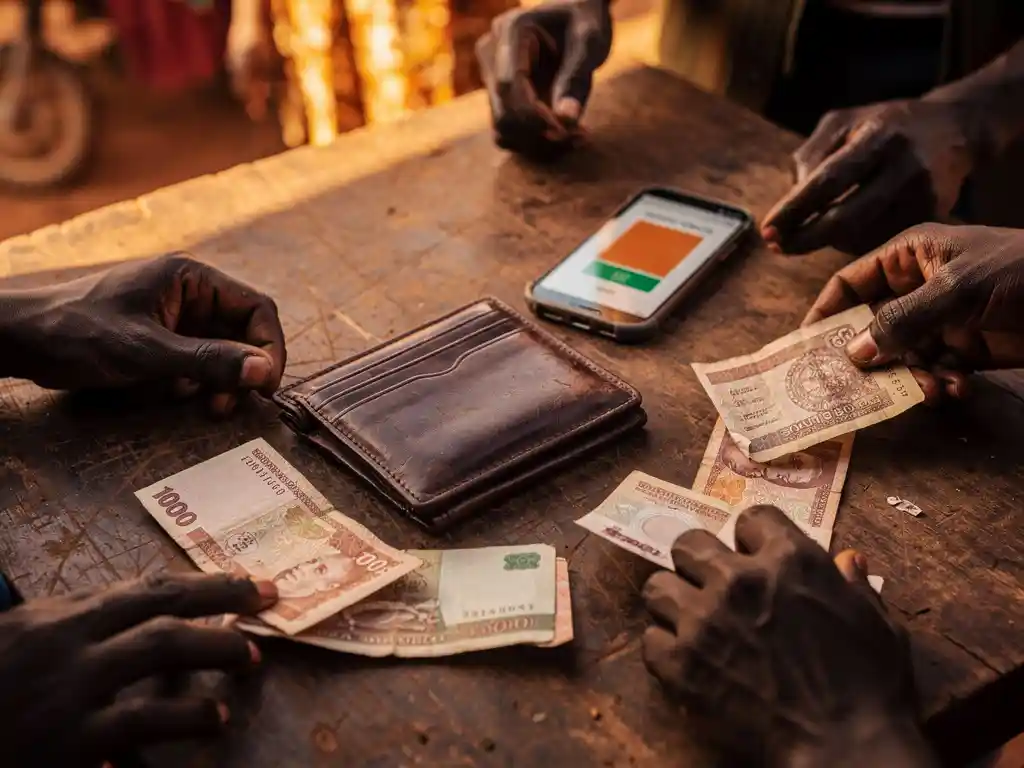
South Sudan is one of the world’s youngest nations, and its financial infrastructure reflects both the challenges and the resilience of a country still finding its footing. For anyone living in the diaspora who wants to send money to South Sudan, or for those trying to understand how everyday transactions work on the ground, knowing the payment landscape is genuinely useful. Whether you are supporting family, running a small business, or simply staying connected to life back home, this guide breaks it all down clearly.
From cash markets in Juba to mobile wallets and international remittances, here is everything you need to know about payment methods in South Sudan.
What is the main currency used in South Sudan?
The official currency of South Sudan is the South Sudanese pound (SSP). It is the legal tender for all domestic transactions, from buying groceries at a local market to paying for services in cities and towns. The SSP has experienced significant volatility since independence, which means exchange rates can shift quickly, and purchasing power can vary considerably over time.
Because of this instability, the US dollar is also widely accepted in many urban areas, particularly for larger purchases, rent, and business transactions. Many South Sudanese people and businesses prefer to hold savings in USD rather than SSP as a way to protect their finances. This dual-currency reality is something anyone sending money to South Sudan should keep in mind when choosing how—and in what currency—to transfer funds.
What are the most common payment methods in South Sudan?
Cash remains the dominant payment method in South Sudan. The vast majority of everyday transactions, from street markets to small shops, happen using physical notes. Formal banking infrastructure is limited, especially outside Juba, which means most people rely on cash in daily life.
Beyond cash, the most common payment methods include:
- Cash (SSP and USD) — used for nearly all everyday purchases
- Mobile money — growing rapidly, especially in urban areas
- Bank transfers — available but limited to those with formal bank accounts
- Informal money transfer agents — widely used for sending funds between regions
- International remittance services — essential for diaspora communities sending money from abroad
The reliance on cash is slowly shifting as mobile technology expands access to financial services, but the transition is gradual. For people in rural areas especially, cash and informal networks remain the most practical options.
How does mobile money work in South Sudan?
Mobile money in South Sudan allows users to send, receive, and store funds using a basic mobile phone, without needing a traditional bank account. Services like MTN Mobile Money and Zain Cash have made it possible for people with limited access to banking infrastructure to participate in the digital economy using just a SIM card and a registered account.
To use mobile money, a person typically registers their phone number with a provider, deposits cash at an agent location, and can then send funds to other registered users or pay for goods and services. Recipients can withdraw cash at agent points, which are often local shops or kiosks.
This system has been particularly valuable in a country where bank branches are scarce. Mobile money is not yet universal across South Sudan, but it is growing steadily, and for diaspora members sending money home, it has become an increasingly practical delivery method for recipients who do not have bank accounts.
Are credit and debit cards accepted in South Sudan?
Credit and debit card acceptance in South Sudan is very limited. A small number of hotels, larger businesses, and international organizations in Juba may accept cards, but outside the capital, card payments are rarely an option. ATM availability is also restricted, and even where ATMs exist, they may not reliably accept international cards.
For anyone traveling to South Sudan or sending funds to someone there, it is safest to assume that card payments will not be available for most transactions. Planning around cash or mobile money is a much more reliable approach. This also reinforces why remittance services that deliver funds directly to mobile wallets or allow cash pickup are so important for families depending on support from abroad.
What is the best way to send money to South Sudan from abroad?
The best way to send money to South Sudan from abroad is through a dedicated international remittance service that offers transparent fees, competitive exchange rates, and delivery options that work for recipients on the ground, such as mobile wallet deposits or cash pickup points.
When choosing a service to send money to South Sudan, consider these key factors:
- Transfer fees — look for services with clear, upfront pricing and no hidden charges
- Exchange rates — compare the rate offered against the mid-market rate to understand the true cost
- Delivery method — check whether the recipient can receive funds via mobile money, bank deposit, or cash pickup
- Transfer speed — some services deliver within minutes; others take several days
- Multilingual support — if you or the recipient are more comfortable in a language other than English, choose a platform that supports your language
For diaspora communities in Europe, using a platform that combines communication and financial services in one place can simplify life considerably. Being able to call home and transfer money through the same trusted app, with support available in your own language, removes a lot of friction from the process.
What challenges affect payments and money transfers in South Sudan?
Several structural challenges make payments and money transfers in South Sudan more complicated than in more financially developed countries. Understanding these challenges helps set realistic expectations and encourages smarter planning when sending funds.
The main obstacles include:
- Currency instability — the SSP fluctuates significantly, which can affect the real value of money received
- Limited banking infrastructure — many areas have no bank branches or ATMs, making formal financial services inaccessible
- Connectivity gaps — mobile internet coverage is uneven, which can affect mobile money reliability in some regions
- High transfer fees — some international corridors to South Sudan carry above-average fees, reducing the amount that actually reaches families
- Conflict and displacement — ongoing instability in parts of the country can disrupt financial networks and access to services
Despite these challenges, remittances remain a vital financial lifeline for many South Sudanese families. Choosing a reliable, transparent service with clear pricing helps ensure that as much of your money as possible reaches the people who need it.
How FroggyTalk helps with sending money to South Sudan
At FroggyTalk, we understand that staying connected to home means more than just making calls. That is why we have built a platform where you can manage both your communication and your financial support for your family in one place, in your own language.
Here is what we offer to make the process easier:
- Transparent fees — no hidden charges, so you always know exactly what you are paying
- Competitive exchange rates — so more of your money reaches your family
- Multilingual support — the entire app can be used in your local language, including Arabic, Hausa, Amharic, French, and more
- One platform — call home and manage bill payments and transfers without switching between apps
- Culturally aware service — built by and for diaspora communities who want to feel heard, seen, and valued
Whether you are sending support to South Sudan or staying in touch with loved ones across Africa, we are here to make it simpler, fairer, and more human. Get in touch with us and let us help you find the best way to stay connected and send money home.