


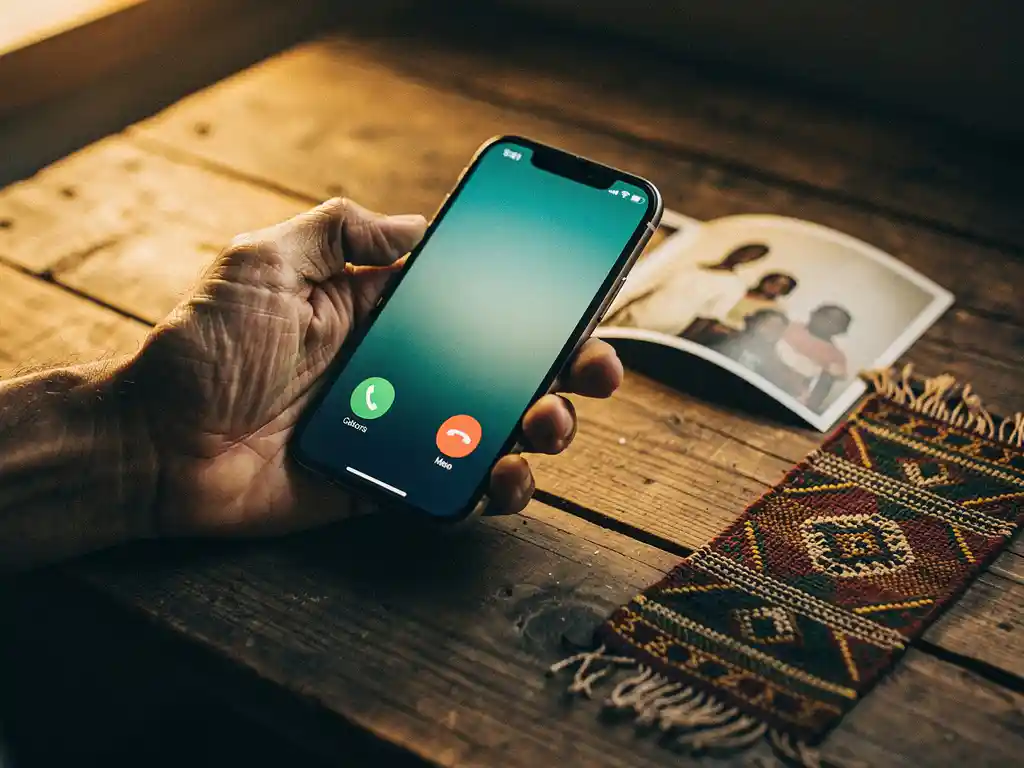
Staying connected across borders has never been more important, and for millions of people living far from home, international calling is a lifeline to family, culture, and community. Yet for too long, making calls abroad meant expensive phone bills, unreliable connections, and services that simply did not understand the needs of diaspora communities. International calling apps have changed that picture entirely, and this article breaks down exactly how they work, what they offer, and how to choose the right one for you.
Whether you are a migrant, a student studying abroad, or simply someone who regularly calls loved ones in another country, understanding your options puts you in control of your communication. Read on for clear, direct answers to the most common questions about international calling apps.
What are international calling apps and how do they work?
International calling apps are software applications that let you make phone calls to contacts in other countries using an internet connection rather than a traditional telephone network. Instead of routing your voice through expensive carrier infrastructure, these apps convert your voice into data packets and send them over Wi-Fi or mobile data, dramatically reducing the cost of long-distance communication.
Most international calling apps work in one of two ways. Some require both the caller and the recipient to have the app installed, which limits who you can reach. Others, like international calling services built for diaspora communities, allow you to call any regular phone number, meaning the person you are contacting does not need the app or even an internet connection. This second approach is far more practical when you are calling family members back home who may not be tech-savvy or have reliable data access.
The technology behind these apps is called Voice over Internet Protocol, or VoIP. It has matured significantly over the past decade, making call quality comparable to, and sometimes better than, traditional phone calls.
Why are international calling apps cheaper than traditional calls?
International calling apps are cheaper than traditional calls because they bypass the legacy telephone network infrastructure that carriers use to charge premium rates for cross-border connections. Traditional international calls travel through a chain of carrier agreements, each adding a layer of cost. Internet-based calls skip most of that chain entirely.
There are several specific reasons why the savings are so significant:
- No physical telephone network infrastructure costs are passed on to the user.
- Internet data is already paid for through your existing Wi-Fi or mobile plan.
- Per-second billing models mean you only pay for the time you actually use, with no rounding up to the nearest minute.
- No hidden connection fees or setup charges that inflate the real cost of each call.
- Competitive pricing among app providers keeps rates low across the board.
To put this in concrete terms, calling a family member abroad through a dedicated international calling app can cost a fraction of what a traditional carrier charges for the same call. That difference adds up quickly when you are calling home every week, and it means your money goes toward actual conversation time rather than fees and surcharges. For those regularly calling countries such as Nigeria, Eritrea, or Ethiopia, where traditional carrier rates can be particularly high, the savings are especially significant.
What are the main benefits of using an international calling app?
The main benefits of using an international calling app are lower costs, greater flexibility, no requirement for the recipient to have the app, and access to features designed specifically for people who call internationally on a regular basis. Together, these advantages make international calling apps a genuinely superior option for diaspora communities compared to traditional phone plans.
Beyond the headline cost savings, the practical benefits are wide-ranging. You can call from anywhere with an internet connection, whether that is your home Wi-Fi, a coffee shop, or mobile data on the go. There are no contracts, no monthly fees in most cases, and no surprise charges at the end of the month. Transparent, per-second billing means you know exactly what you are spending before you make the call.
For communities where language is a barrier, the best apps also offer multilingual support, so you can navigate the app, manage your account, and understand your billing in your own language. Feeling comfortable and understood in your own language is not a small thing. It is the difference between feeling at home with a service and feeling like an afterthought.
How does call quality compare to regular phone calls?
Call quality from international calling apps is generally comparable to regular phone calls and, with a strong internet connection, can actually be clearer. Early VoIP technology had a reputation for lag and dropped calls, but modern apps using current protocols deliver reliable, high-definition voice quality that makes conversations feel natural.
The main factor influencing call quality is your internet connection speed and stability, not the app itself. A strong Wi-Fi signal or a 4G mobile connection will give you excellent audio. A weak or congested connection may introduce some delay or occasional interruptions. This is worth keeping in mind if you are calling regions where the recipient’s local phone network is older or less reliable, as the quality of the final leg of the call depends on local infrastructure.
In practice, most users find that calls made through a well-designed international calling app feel just as natural as any other phone call, and the person you are calling simply picks up their phone as normal. There is no technical barrier on their end.
Who benefits most from international calling apps?
International calling apps benefit most those who make frequent calls to other countries, particularly migrants, refugees, and diaspora community members who maintain close ties with family and friends back home. For these groups, the combination of lower costs, reliability, and ease of use makes a genuine difference in daily life.
Specific groups who gain the most include:
- Migrants and refugees who call home regularly and need affordable, dependable connections to countries across Africa, the Middle East, and beyond
- Established diaspora members who support family members financially and need to stay in close contact for practical coordination as well as emotional connection
- Small business owners in diaspora communities who communicate with suppliers, partners, or clients in their country of origin
- Students studying abroad who want to stay connected with family without stretching a tight budget
- Anyone calling regions where traditional carrier rates are particularly high, such as parts of East Africa or West Africa
For all of these groups, the ability to call any phone number without the recipient needing to download anything is especially important. It removes a significant barrier and makes communication genuinely accessible.
What should you look for when choosing an international calling app?
When choosing an international calling app, the most important factors are transparent pricing, reliable call quality, support for the specific countries you call, and whether the app requires the recipient to have it installed. Beyond these basics, the right app for you depends on your specific situation and calling habits.
Here is what to evaluate before committing to any service:
Pricing clarity: Look for per-second billing with no hidden connection fees. Some apps advertise low per-minute rates but add charges that inflate the real cost. Always check what you actually pay per minute of conversation.
Country coverage: Make sure the app supports the specific countries and regions you call. Coverage quality can vary significantly between destinations, so check that your most important calling destinations are well supported.
Language support: If English is not your first language, choose an app that you can use fully in your preferred language. You should be able to read your balance, understand your billing, and navigate every feature comfortably.
No app required for recipients: This is a major practical consideration. An app that lets you call regular phone numbers means you are never limited by what your family or friends back home have installed on their phones.
Weekly deals and promotions: Some services offer regular calling deals that give you significantly more minutes for your money on specific days of the week. If you have flexibility about when you call, these deals can stretch your budget considerably.
How FroggyTalk helps with international calling
We built FroggyTalk specifically for diaspora communities who want to feel heard, seen, and valued—not just processed through a generic calling service. Our international calling service is designed around the real needs of African communities across Europe, with everything you need to stay genuinely connected.
- Call any phone in Eritrea, Ethiopia, Nigeria, Sudan, Niger, and beyond, with no app needed on the recipient’s end.
- Per-second billing with no hidden fees, so every cent goes toward actual talk time.
- Weekly calling deals that give you more minutes for your money on Fridays, Saturdays, and Sundays.
- Full multilingual support, including Tigrinya, Hausa, Amharic, Arabic, and more, so you can use the entire app in your own language.
- A Radio Hub featuring African FM stations, so you can stay connected to culture as well as people.
We want communication to be affordable, reliable, and genuinely supportive of the life you are building abroad. Check our current calling rates and weekly deals to see how far your money goes, or get in touch with our team if you have any questions. We are here for you.
Related Articles
- What are the legal requirements for international calling?
- How long does a $100,000 wire transfer take?
- What countries do not allow Wi-Fi calling?
- What is the difference between calling and messaging for staying in touch internationally?
- How do you switch from one international calling provider to another?