


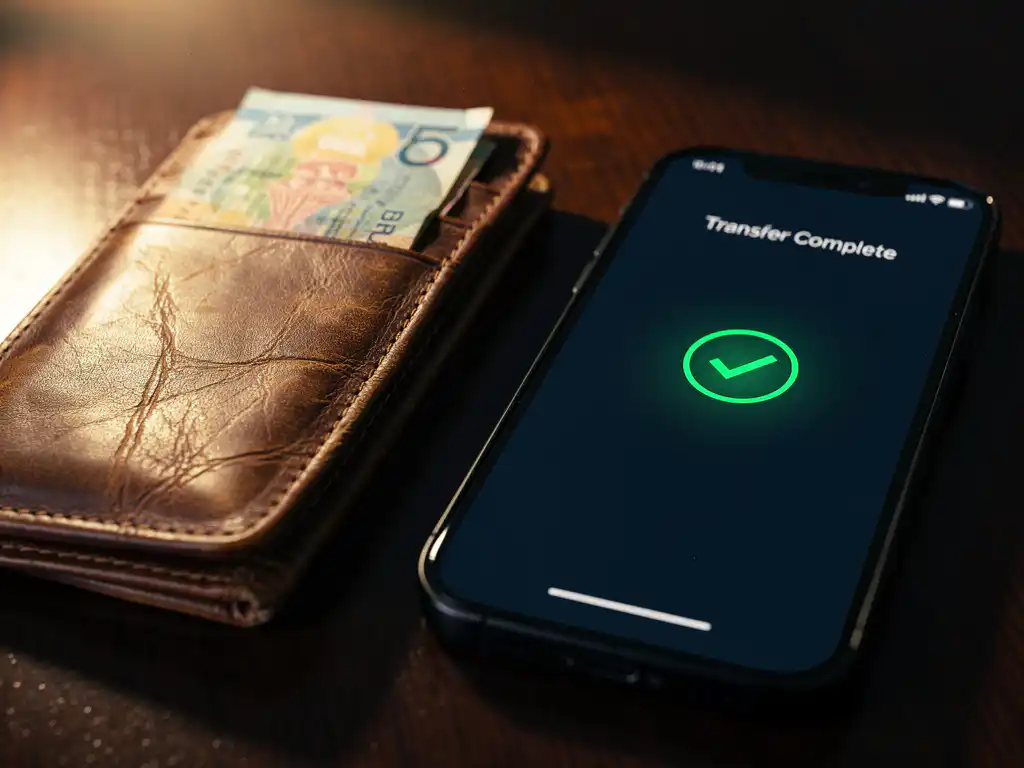
Sending money internationally has never been more accessible. With just a smartphone and an internet connection, you can transfer funds across borders in minutes. But convenience raises a fair question: is it actually safe to send money abroad online? The short answer is yes—when you use the right services and take the right precautions. This guide walks you through everything you need to know about staying protected during an international money transfer.
Whether you are supporting a family member, managing finances across borders, or contributing to your community from abroad, understanding the risks and safeguards involved helps you send with confidence, every time.
What are the biggest risks of sending money abroad online?
The biggest risks of sending money internationally online include phishing scams, fraudulent transfer platforms, identity theft, and misdirected payments due to incorrect recipient details. While the technology behind legitimate transfer services is highly secure, the human element—and the choice of platform—remain the most common points of vulnerability.
Scammers often pose as legitimate money transfer services, creating convincing websites or apps that collect your payment details without ever sending funds. Phishing emails or messages may trick you into clicking a fake link and entering your banking credentials. Always be cautious of unsolicited messages urging you to transfer money urgently.
Another common risk is entering incorrect recipient information. Unlike a bank reversal, some transfers are processed instantly and cannot be recalled once sent. A wrong account number or phone number can result in funds reaching the wrong person entirely.
- Fake or unlicensed transfer platforms collecting payment details
- Phishing attacks via email, SMS, or social media
- Incorrect recipient details leading to misdirected transfers
- Hidden fees that reduce the amount your recipient actually receives
- Unsecured public Wi-Fi networks exposing your financial data
How do you know if an online money transfer service is legitimate?
A legitimate online money transfer service will be licensed and regulated by a financial authority in the country where it operates. In Europe, this typically means registration with a national financial regulator or authorization under the EU’s Payment Services Directive. Always verify this before using any platform for the first time.
Beyond regulation, look for transparent fee structures. A trustworthy service tells you exactly what you will pay and exactly how much your recipient will receive before you confirm the transfer. Hidden charges or vague exchange-rate policies are red flags worth taking seriously.
Customer reviews on independent platforms, responsive multilingual support, and a clear privacy policy are also strong indicators of legitimacy. If a service is difficult to contact or offers no customer support, that is a warning sign regardless of how professional its website appears.
What’s the difference between bank transfers and money transfer apps?
The key differences between bank transfers and money transfer apps are speed, cost, and accessibility. Bank transfers are processed through established financial networks and are highly secure, but they are often slower, more expensive, and less accessible for recipients in regions with limited banking infrastructure. Money transfer apps tend to be faster, cheaper, and more flexible.
Bank transfers
Traditional bank-to-bank international transfers, often processed through SWIFT, can take several business days to complete. Fees are typically higher, and the exchange rates offered by banks are rarely competitive. For someone sending money to a rural area in West or East Africa, the recipient may also face challenges accessing funds through a formal bank branch.
Money transfer apps
Dedicated transfer apps and fintech platforms have transformed the landscape. Many offer near-instant transfers, competitive exchange rates, and delivery options that include mobile money wallets, which are widely used across Africa. These platforms are built specifically for cross-border transfers, which means their infrastructure is optimized for the corridors that matter most to diaspora communities.
The right choice depends on your recipient’s location and how they prefer to receive funds. For diaspora communities sending money home to family in Nigeria, Ethiopia, Eritrea, Sudan, Niger, and beyond, mobile money is often more practical and accessible than a traditional bank account.
How can you protect yourself when sending money internationally?
You can protect yourself during an international money transfer by using only regulated platforms, verifying recipient details carefully, avoiding public Wi-Fi when making transactions, and enabling two-factor authentication on your account. These steps significantly reduce your exposure to fraud and errors.
- Use a regulated, licensed platform with a verifiable track record and transparent fees.
- Double-check recipient details before confirming any transfer, including phone numbers, account numbers, and full names.
- Enable two-factor authentication on your transfer account to prevent unauthorized access.
- Avoid public or unsecured Wi-Fi when entering financial information or initiating a transfer.
- Keep records of every transaction, including confirmation numbers and receipts, in case you need to follow up.
- Be skeptical of urgency. Scammers often create pressure to transfer quickly. Legitimate situations rarely require instant, irreversible payments.
It also helps to use a platform that offers real-time transaction tracking, so you can confirm your funds are moving through the system as expected. Transparency at every step of the process is one of the strongest protections available to you.
What should you do if an international money transfer goes wrong?
If an international money transfer goes wrong, act immediately. Contact the transfer service’s customer support as soon as you notice the problem, provide your transaction reference number, and clearly explain what happened. The faster you report the issue, the better your chances of recovering the funds or correcting the error.
If the platform is unresponsive or you believe you have been defrauded, escalate the matter to the financial regulator in the country where the service is licensed. In the Netherlands, for example, this would be De Nederlandsche Bank (DNB) or the Authority for the Financial Markets (AFM). Filing a report creates an official record and may trigger an investigation.
For misdirected payments caused by incorrect recipient details, outcomes vary depending on the platform and the recipient’s willingness to cooperate. Some services can initiate a recall request, though success is not guaranteed. This is why verifying details before sending is so important.
Keep all correspondence, receipts, and transaction records throughout the process. These documents are essential if you need to escalate your complaint or pursue a formal resolution.
How FroggyTalk helps with international money transfers
We built FroggyTalk around one core belief: everyone deserves to feel heard, seen, and valued. Our International Money Transfer Service brings that same commitment to your financial connections with family back home.
- Transparent fee structures with no hidden charges, so you always know what your recipient receives
- Competitive exchange rates that stretch every euro further
- Real-time transaction tracking for full peace of mind
- Multilingual support in Tigrinya, English, Arabic, Hausa, Amharic, Dutch, French, Swedish, Danish, Norwegian, and Italian, with the entire app available in your preferred language
- Seamless access to both calling and money transfers through one trusted platform
- Specialized coverage for key corridors, including Nigeria, Ethiopia, Eritrea, Sudan, and Niger
Whether you are supporting family, contributing to your community, or managing finances across borders, we are here to make it simple, safe, and affordable. You can also use our platform for bill payment services to handle essential expenses directly from the app.
Ready to get started? Get in touch with our team if you have any questions. We are here for you.