


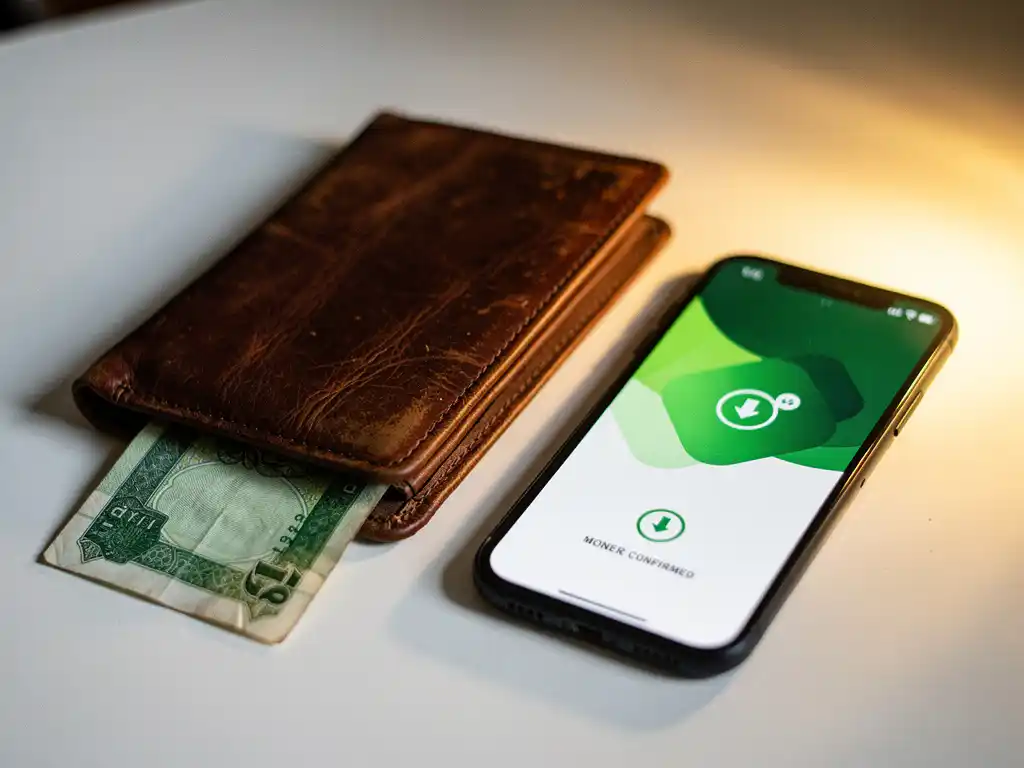
Sending money to Nigeria online has never been easier, but with so many options available, it can be hard to know where to start. Whether you are supporting family back home, paying for services, or contributing to a business, choosing the right method can save you time, money, and unnecessary stress. This guide answers the most common questions about how to send money to Nigeria online, so you can make informed decisions with confidence.
For many in the Nigerian diaspora across Europe, remittances are a lifeline, not just a convenience. Getting the process right matters deeply, and we want to make sure you feel informed, supported, and in control every step of the way.
What is the best way to send money to Nigeria online?
The best way to send money to Nigeria online is through a dedicated digital money transfer service that offers competitive exchange rates, transparent fees, and fast delivery. Look for platforms that support Nigerian bank accounts or mobile wallets and offer multilingual support so you can navigate the process comfortably in your own language.
The ideal method depends on a few key factors: how quickly the recipient needs the funds, which payment methods are available to you, and how much you want to spend on fees. Digital transfer apps have largely replaced traditional bank wire transfers for personal remittances because they are faster, cheaper, and more convenient. Many services now allow transfers to arrive within minutes rather than days.
When choosing a platform, prioritize transparency. A good service will show you the exact exchange rate, the fee, and the amount your recipient will receive before you confirm the transfer—no surprises and no hidden charges.
How do international money transfers to Nigeria work?
International money transfers to Nigeria work by converting your funds from a European currency, typically euros, into Nigerian naira and delivering them to a Nigerian bank account, mobile wallet, or cash pickup location. The process is handled digitally through a licensed transfer service that manages currency conversion and cross-border payment routing.
Here is a simplified breakdown of how the process typically works:
- You create an account on a money transfer platform and verify your identity.
- You enter the recipient’s details, including their Nigerian bank account number or phone number.
- You choose your payment method, such as a debit card or bank transfer.
- The platform converts your funds at the current exchange rate and deducts any applicable fees.
- The money is sent to your recipient, usually within minutes to a few business days.
Most reputable platforms are regulated by financial authorities in the countries where they operate, which means your funds are handled securely and in compliance with international financial regulations. Always use a licensed service to ensure your transfer is protected.
What fees should you expect when sending money to Nigeria?
When you send money to Nigeria online, you can typically expect to pay a transfer fee, which may be a flat amount or a percentage of the total, plus a currency conversion margin built into the exchange rate. Total costs vary significantly between providers, so comparing a few options before sending is always worthwhile.
There are two main types of costs to watch out for:
- Transfer fees: A fixed or variable charge applied per transaction, which can range from very low to several euros depending on the platform and the amount sent.
- Exchange rate margin: The difference between the mid-market rate and the rate the platform offers you. Even if a service advertises zero fees, a poor exchange rate can cost you more in the long run.
Some platforms also charge additional fees for using a credit card rather than a bank transfer. Always look at the total cost and the final amount your recipient will receive, not just the advertised fee. Transparent services will show you the full breakdown upfront.
Which money transfer apps are available for sending money to Nigeria?
Several money transfer apps support sending money to Nigeria, including well-known platforms such as Wise, WorldRemit, Remitly, Western Union, and MoneyGram. Each platform differs in terms of fees, exchange rates, transfer speed, and delivery options, so the best choice depends on your specific needs and location.
When evaluating apps, consider the following:
- Does the app support your preferred payment method?
- Can the recipient receive funds directly to their bank account or mobile wallet?
- Is the app available in your language?
- Does the platform offer real-time tracking so you know when funds arrive?
For members of the African diaspora in Europe, it is also worth choosing a platform that understands your community’s needs, including multilingual support and culturally sensitive customer service. Being able to manage your transfer in Hausa, Yoruba, Igbo, or another familiar language makes the experience far less stressful.
How long does it take to send money to Nigeria online?
Sending money to Nigeria online typically takes anywhere from a few minutes to three business days, depending on the transfer method, the platform you use, and how the recipient receives the funds. Transfers to mobile wallets or those funded by debit card tend to arrive fastest, often within minutes.
Bank transfers from your European account to a Nigerian bank account may take one to three business days, particularly if the transfer is initiated outside business hours or on weekends. Some platforms offer instant or same-day transfers for a slightly higher fee, which can be worth it in urgent situations.
To speed up your transfer, make sure your identity is already verified on the platform before you send, and double-check your recipient’s bank details to avoid delays caused by errors.
How can you send money to Nigeria safely and avoid scams?
To send money to Nigeria safely, always use a licensed and regulated money transfer service, verify the recipient’s details carefully before confirming, and never send money to someone you have not personally verified. Scams targeting diaspora communities are unfortunately common, so staying alert is essential.
Here are practical steps to protect yourself:
- Only use platforms that are registered with financial regulators in your country.
- Always double-check the recipient’s account number and name before confirming.
- Be cautious of urgent requests for money, especially from unknown contacts.
- Enable two-factor authentication on your transfer account.
- Keep records of all transactions, including confirmation numbers and receipts.
If something feels wrong, trust your instincts and contact the platform’s customer support before proceeding. Reputable services offer real-time tracking and support channels to help you resolve any concerns quickly. Feeling safe and informed throughout the process is not a luxury; it is something you deserve.
How FroggyTalk helps with sending money to Nigeria
We built FroggyTalk around one core belief: Africans abroad deserve to feel heard, seen, and valued. Our International Money Transfer Service extends that mission beyond calling to financial connection, helping you support your family in Nigeria with the same transparency and care we bring to everything we do.
Here is what makes our service different:
- Transparent fees with no hidden charges, so you always know what your recipient will receive.
- Competitive exchange rates that respect the value of your hard-earned money.
- Real-time transaction tracking so you are never left wondering.
- Full multilingual support, including Hausa, English, French, and more, because everything in our app can be navigated in your preferred language.
- A single trusted platform where you can manage both your calls and your transfers.
We also offer bill payment services for families in Nigeria, so you can do even more to support the people who matter most. Ready to get started or have questions? Reach out to our team, and we will walk you through every step in the language you are most comfortable with.