


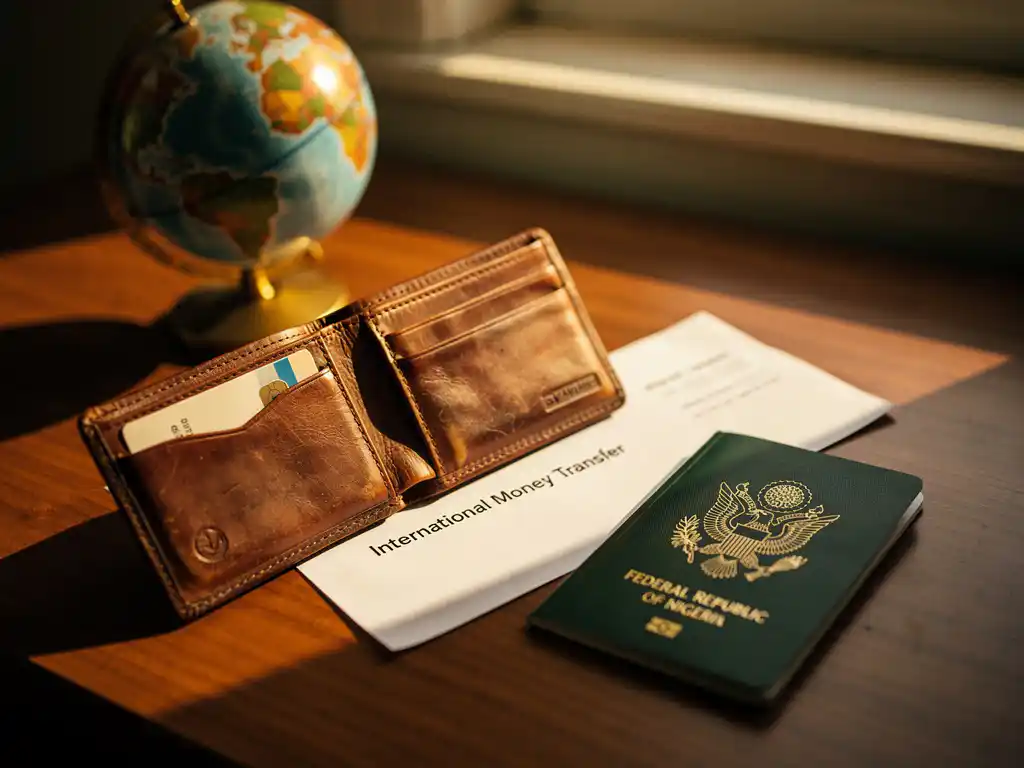
Sending money across borders has become an essential part of modern life, particularly for diaspora communities maintaining strong ties with family in their home countries. Understanding how to make an international money transfer legally and efficiently can save you time, money, and stress, whether you are supporting loved ones near or far.
This guide walks you through everything you need to know, from the basics of cross-border payments to choosing the right service for your situation. Each question below gets a direct, practical answer so you can act with confidence.
What does it mean to transfer money internationally?
An international money transfer is the process of sending funds from one country to another, typically between two different currencies and banking systems. The sender initiates a payment in their local currency, which is then converted and delivered to the recipient in their country, either through a bank account, mobile wallet, or cash pickup point.
These transfers move through regulated financial networks that verify identities, convert currencies, and ensure funds reach the correct destination. The process can involve banks, specialist transfer operators, or fintech platforms, each offering different speeds, costs, and levels of convenience. For diaspora communities in Europe, international money transfers are often a lifeline, funding household expenses, education, healthcare, and small businesses back home. This is especially true for African communities with family in countries such as Nigeria, Ethiopia, Eritrea, and Sudan.
What are the legal requirements for sending money abroad?
To legally send money internationally, you must use a regulated provider, verify your identity, and comply with both the sending and receiving countries’ financial regulations. Most providers require government-issued identification, proof of address, and sometimes documentation explaining the purpose of large transfers.
Identity verification
Regulated providers are legally required to follow Know Your Customer (KYC) rules. This means you will typically need to submit a valid passport, national ID, or residence permit before completing a transfer. This is a standard anti-money laundering requirement and applies across Europe and most of the world.
Transfer limits and reporting
Many countries impose reporting thresholds on large transfers. In the European Union, transactions above certain amounts may trigger additional scrutiny or require source-of-funds documentation. Always be transparent about where your money comes from, as this protects both you and the recipient from legal complications.
The key rule is simple: always use a licensed, regulated provider. Sending money through informal or unlicensed channels may be faster in the short term, but it carries serious legal and financial risks for both sender and recipient.
Which methods can you use to legally send money internationally?
There are several legal methods available for sending money internationally, each suited to different needs, budgets, and destinations. The most common options include bank wire transfers, specialist money transfer operators, mobile money platforms, and fintech apps.
- Bank wire transfers: Reliable but often slower and more expensive, with fees that can add up quickly for regular senders.
- Specialist transfer operators: Companies focused specifically on international remittances, often offering better rates and faster delivery than traditional banks.
- Mobile money platforms: Particularly effective for transfers to African countries where mobile wallets are widely used, such as M-Pesa in Kenya or similar services in Nigeria and Ethiopia.
- Fintech apps: Digital-first platforms that combine competitive rates, low fees, and user-friendly interfaces, often with multilingual support for diaspora communities.
For communities sending money to Eritrea, Sudan, Ethiopia, Niger, or Nigeria, specialist operators and fintech platforms often provide the most accessible and cost-effective routes, particularly when recipients do not have formal bank accounts.
How do you choose the best international money transfer service?
The best international money transfer service for you depends on four key factors: the destination country, the delivery method your recipient prefers, the total cost of the transfer, and the provider’s regulatory standing. Comparing these factors across two or three providers before sending will consistently save you money.
Check for regulation and licensing
Always confirm that your provider is licensed by a financial authority in your country of residence. In the Netherlands, for example, providers must be registered with De Nederlandsche Bank. In Sweden, they fall under Finansinspektionen. A licensed provider gives you legal recourse if something goes wrong.
Consider language and accessibility
For many diaspora community members, navigating a money transfer platform in a language they are not fully comfortable with adds unnecessary risk. Look for services that offer support in your preferred language, whether that is Hausa, Amharic, Tigrinya, Arabic, or French. This is especially important when reading terms and conditions or understanding fee structures.
Ease of use matters, too. A platform that is available on your phone, walks you through each step clearly, and lets you track your transfer in real time reduces anxiety and builds trust over time.
What fees and exchange rates should you watch out for?
When making an international money transfer, watch out for three types of costs: the transfer fee, the exchange rate margin, and any hidden charges, such as receiving fees applied by the recipient’s bank. The total cost is what matters, not just the headline fee.
Exchange rate margins are often where providers make the most money. A provider advertising zero fees may still apply a significant markup to the mid-market exchange rate, meaning your recipient receives less than expected. Always calculate how much your recipient will actually receive in their local currency before confirming a transfer.
Transparent providers will show you the exact exchange rate, the fee in clear figures, and the total amount your recipient will receive before you confirm anything. If a provider makes it difficult to find this information, that is a warning sign. Per-second or per-unit billing models, similar to those we use in our calling service, reflect the same principle of transparency: you pay for exactly what you use, nothing more.
How long does an international money transfer legally take?
An international money transfer typically takes between a few minutes and five business days, depending on the provider, the destination country, and the delivery method chosen. Fintech platforms and specialist operators often deliver within minutes or hours, while bank wire transfers can take two to five business days.
- Instant to one hour: Common with mobile money and many fintech platforms, particularly for popular corridors like Europe to Nigeria or Europe to Ethiopia.
- Same day to 24 hours: Standard for most specialist transfer operators when transfers are initiated during business hours.
- Two to five business days: Typical for traditional bank wire transfers, especially to countries with less developed banking infrastructure.
- Longer in some cases: Compliance checks, public holidays, or issues with recipient account details can delay any transfer, regardless of the method used.
Speed is not always the most important factor. A slightly slower transfer that costs significantly less may serve your family better than the fastest option. Balance urgency against cost when making your decision, and always double-check recipient details to avoid delays caused by incorrect information.
How FroggyTalk helps with international money transfers
We built FroggyTalk around a simple belief: Africans abroad deserve to feel heard, seen, and valued. Our International Money Transfer Service extends that mission beyond communication and into financial inclusion, giving you a trusted, affordable way to support your family back home.
Here is what makes our service different:
- Transparent fees with no hidden charges, so you always know exactly what your recipient will receive
- Competitive exchange rates for transfers to Eritrea, Sudan, Ethiopia, Niger, Nigeria, and beyond
- Multilingual support in Tigrinya, English, Arabic, Hausa, Amharic, Dutch, French, Swedish, Danish, Norwegian, and Italian, with everything in the app available in your local language
- Seamless integration with our calling platform, so you can manage communication and finances in one trusted place
- Real-time transaction tracking for peace of mind
You can also use our platform for bill payments to support family with essential expenses directly. Ready to get started or have questions? Contact us and we will be happy to help. We are here for you.