


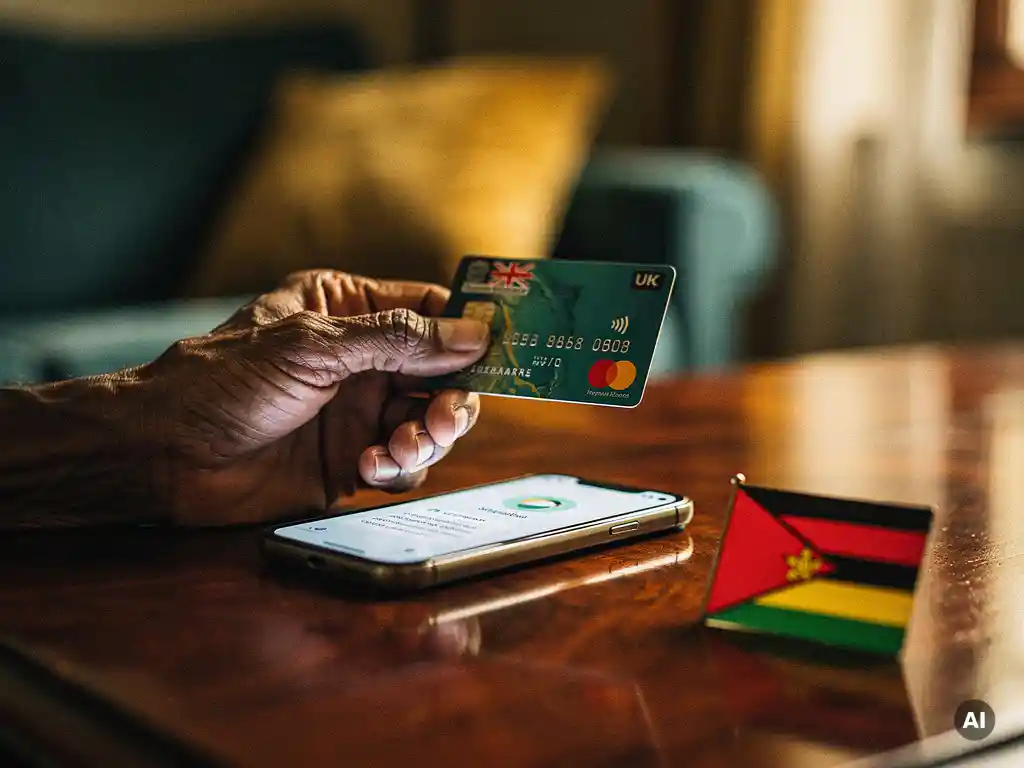
You can buy airtime for someone in Zimbabwe from the UK by using a mobile top-up app or website that supports international recharges to Zimbabwean networks. The process is straightforward: you pay in British pounds and the credit lands directly on the recipient’s phone, no app required on their end. Below, we walk through the most common questions people have about sending airtime to Zimbabwe from the UK.
Which apps let you send airtime to Zimbabwe from the UK?
Several platforms allow you to top up a Zimbabwean mobile number from the UK. The most widely used options include Ding, MobileRecharge, Rebtel, and Airtime.com. Each platform supports international top-ups to major Zimbabwean networks, accepts UK payment methods, and delivers credit instantly or within a few minutes.
When choosing a platform, look at three things: the networks it supports, the fees it charges per transaction, and whether it offers a mobile app for convenience. Some platforms also bundle airtime with data, which can be useful if the recipient relies on mobile internet. Always compare the final amount the recipient receives, not just the price you pay, since service fees vary significantly between providers.
How much does it cost to top up a Zimbabwe number from the UK?
The cost of topping up a Zimbabwe number from the UK typically ranges from £1 to £20 per transaction, depending on the platform and the amount you choose to send. Most providers charge a small service fee on top of the top-up value, usually between £0.50 and £2.00 per transaction, though some include the fee within the exchange rate.
Because Zimbabwe’s mobile networks operate in USD, the amount of airtime your recipient gets depends on the current exchange rate and local call tariffs. As a rough guide, a £5 top-up often translates to several hours of local calling time on networks like Econet, which charge per second. Always check the amount your recipient will receive before confirming the transaction, not just the monetary value, since that is what actually matters when staying connected.
How do you send airtime to Zimbabwe step by step?
Sending airtime to a Zimbabwe number from the UK is a simple process that takes under five minutes. Here is how it works on most platforms:
- Choose a top-up platform that supports Zimbabwe (such as Ding, MobileRecharge, or similar services).
- Create an account or log in if you already have one.
- Select Zimbabwe as the destination country.
- Enter the recipient’s full mobile number, including the country code (+263).
- Choose the top-up amount you want to send.
- Review the breakdown, including how much airtime or how much data the recipient will receive.
- Pay using your preferred UK payment method (debit card, credit card, or PayPal).
- Confirm the transaction and wait for the delivery confirmation, usually instant.
The recipient does not need to do anything. The airtime appears directly on their phone balance, and they can start using it immediately for calls, texts, or data depending on the top-up type.
What Zimbabwean networks can receive international airtime top-ups?
The three main mobile networks in Zimbabwe that can receive international airtime top-ups are Econet Wireless, NetOne, and Telecel Zimbabwe. Econet is by far the largest and most widely supported by international top-up platforms, making it the easiest to recharge from the UK.
- Econet Wireless is the dominant network with the widest coverage across Zimbabwe and is supported by virtually all international top-up services.
- NetOne is a state-owned operator with decent urban coverage and is supported by most major platforms.
- Telecel Zimbabwe has a smaller user base but is increasingly available on international recharge platforms.
Before sending, confirm which network your recipient uses. You can usually identify this from the first few digits of their number. Sending airtime to the wrong network is one of the most common reasons a top-up fails to arrive.
Why didn’t the airtime reach the Zimbabwe number?
If airtime you sent to a Zimbabwe number did not arrive, the most common reasons are an incorrect number, a network mismatch, or a temporary delivery delay on the recipient’s network. Most platforms process top-ups instantly, so a delay of more than 30 minutes usually signals a problem worth investigating.
Check these things first:
- Incorrect number format: Make sure you used the full international format, starting with +263, and removed any leading zero from the local number.
- Wrong network selected: If the platform asked you to select the network manually and you chose the wrong one, the top-up may fail or be rejected.
- Payment not processed: Check your bank statement to confirm the payment went through before contacting support.
- Network outage in Zimbabwe: Occasionally, local network issues can delay delivery. Ask the recipient to restart their phone.
If none of these apply, contact the platform’s customer support with your transaction reference number. Most reputable services offer refunds or resend the top-up if delivery fails on their end.
Is there a cheaper way to call Zimbabwe from the UK instead?
Yes. Instead of sending airtime, you can use an internet-based calling app to call Zimbabwe directly from the UK at a much lower cost per minute than traditional phone providers. Apps designed for international calling often charge per second rather than per minute, which means you only pay for the time you actually use, with no rounding up and no connection fees.
This approach is particularly useful when you want to have a real conversation rather than simply credit someone’s phone. The recipient does not need to have the app or an internet connection, making it a practical alternative even for contacts in areas with limited data access. For many people in the African diaspora, this kind of direct, affordable calling is what keeps family relationships strong across borders.
How FroggyTalk helps you stay connected with Zimbabwe
We built FroggyTalk specifically for people who need affordable, reliable ways to stay in touch with family and friends across Africa, including Zimbabwe. Rather than navigating multiple apps for different needs, our platform brings communication and support together in one place.
Here is what we offer that makes a real difference:
- Per-second billing with no hidden fees: You pay only for the seconds you talk, so every penny goes toward your conversation, not connection charges.
- No app needed on the recipient’s side: You call their regular phone number directly, even if they have no internet or smartphone.
- Airtime top-ups built into the platform: Through our airtime and bill payment feature, you can recharge a Zimbabwe number without switching between apps.
- Full multilingual support: Everything in the app can be translated into your local language, whether that is Hausa, Amharic, Arabic, French, or another language you feel most comfortable in. We want you to feel heard, seen, and understood, not lost in translation.
- One trusted platform: Communication, airtime, and financial tools all in one place, designed by and for the African diaspora in Europe.
If you have questions about how FroggyTalk works or want help getting started, get in touch with us and we will walk you through it in your preferred language.
Frequently Asked Questions
Can I schedule a recurring airtime top-up to Zimbabwe so I don't forget each month?
Yes, several international top-up platforms such as Ding and MobileRecharge offer a recurring or auto-recharge feature that lets you set up automatic top-ups on a weekly or monthly schedule. This is especially handy if you regularly support a family member who depends on mobile credit. Check the platform's settings after your first successful transaction to see if this option is available, and make sure your payment method stays up to date to avoid missed deliveries.
Is it safe to use my UK debit or credit card on international top-up platforms?
Reputable platforms like Ding, MobileRecharge, and Airtime.com use encrypted payment processing and are regulated services, making them generally safe to use with a UK debit or credit card. Look for HTTPS in the browser address bar and check whether the platform displays recognised payment security badges before entering your card details. If you prefer extra caution, PayPal is accepted by most of these services and adds an additional layer of purchase protection.
What happens if I accidentally send airtime to the wrong Zimbabwe number?
Once airtime is delivered to a number, most platforms cannot reverse the transaction because the credit has already been applied to that phone balance. Your best immediate step is to contact the platform's customer support as quickly as possible with your transaction reference number, as some providers may be able to intercept an undelivered or pending top-up. To avoid this, always double-check the recipient's full number in international format (+263) before confirming payment, and use the platform's contact-book feature if it stores numbers from previous transactions.
Do I need to tell my recipient in Zimbabwe before I send airtime?
You don't need to give advance notice, but a quick heads-up can be helpful, especially if your recipient is on a prepaid plan that automatically applies incoming credit toward a specific bundle. In most cases, the airtime lands on their balance automatically and they receive an SMS notification from their network confirming the top-up. If you're sending a larger amount for the first time, letting them know helps them confirm receipt and flag any issues quickly.
Can I send data bundles instead of regular airtime to a Zimbabwe number?
Yes, many international top-up platforms now offer the option to send data bundles directly to Zimbabwean numbers, particularly for Econet Wireless, which has the broadest support. This is often more practical than voice airtime if your recipient primarily uses their phone for WhatsApp, browsing, or mobile money. When selecting your top-up, look for a 'data' or 'bundle' tab alongside the standard airtime option, and compare how much data the recipient actually receives for the amount you're spending.
Are there any limits on how much airtime I can send to Zimbabwe from the UK?
Most platforms impose both minimum and maximum transaction limits, typically ranging from around £1 at the low end to £20–£50 per single transaction, though this varies by provider and network. Some platforms also apply daily or monthly sending limits for regulatory compliance reasons. If you need to send a larger amount, you may need to split it across multiple transactions or verify your identity on the platform, which is a standard anti-fraud measure for higher-value transfers.
What is the difference between sending airtime and using an app like FroggyTalk to call Zimbabwe directly?
Sending airtime credits the recipient's phone so they can make calls, send texts, or use data at their own convenience, which is ideal when you want to give someone the means to stay connected on their own terms. Calling directly through an app like FroggyTalk is better when you want an immediate, two-way conversation without relying on the recipient to have existing credit. The most practical approach for many diaspora families is to do both: use a per-second calling app for regular conversations and top up the recipient's phone periodically so they can reach out when needed.