


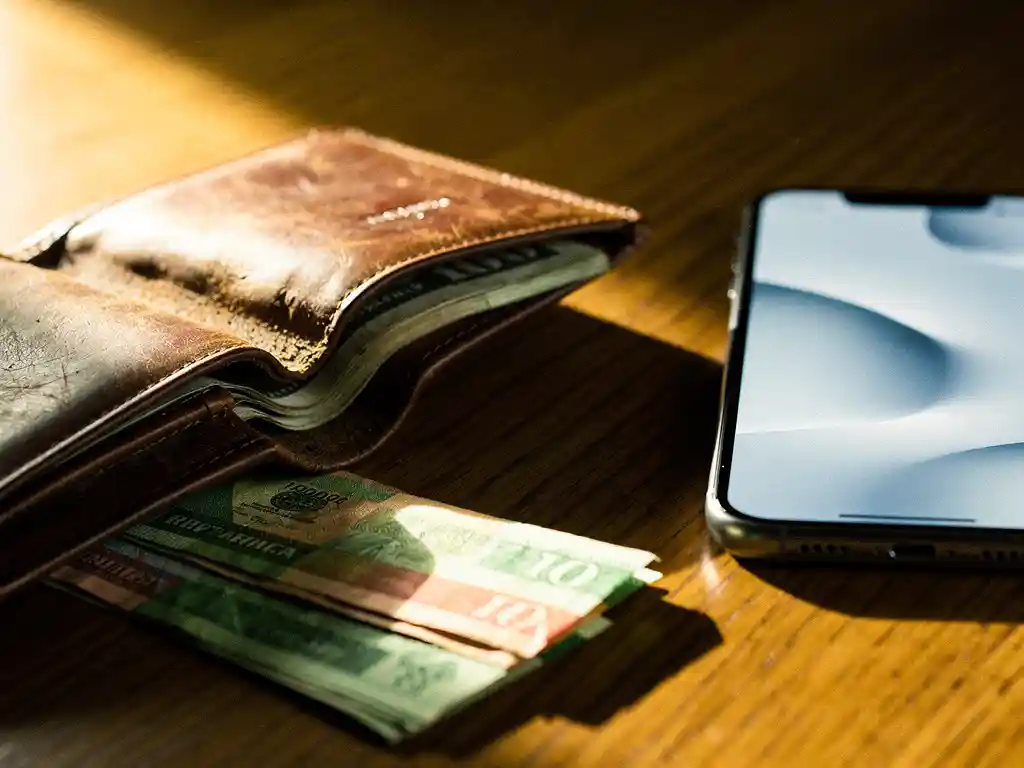
You can send money to Africa from the United States instantly using digital transfer platforms like Wise, Remitly, WorldRemit, or Western Union, with many transfers arriving within minutes to a few hours, depending on the destination country and payment method. Bank-to-bank transfers tend to be slower, while mobile money and cash pickup options are often the fastest routes. Below, we break down everything you need to know before your next transfer.
What are the fastest ways to send money to Africa from the US?
The fastest ways to send money to Africa from the United States are through digital money transfer apps that support mobile money wallets or cash pickup. Platforms like Remitly, WorldRemit, and Wise can deliver funds to countries like Nigeria, Ethiopia, Sudan, and Uganda within minutes when you pay by debit card. Bank deposits typically take one to three business days.
Speed depends heavily on the delivery method you choose and the country you are sending to. Here is a quick overview of the most common options ranked by delivery time:
- Mobile money wallet transfers — Often instant or within minutes. Widely used across Nigeria, Uganda, Tanzania, and Ethiopia.
- Cash pickup — Usually available within minutes at partner agent locations. Useful for recipients in areas with limited banking access.
- Bank account deposits — Typically one to three business days, sometimes faster for major banks in Nigeria or Egypt.
- Airtime top-up — Instant in most cases. A practical option when your recipient needs immediate access to communication.
If you are sending money to Eritrea, Sudan, or South Sudan, the availability of services can be more limited due to banking infrastructure and international regulations. Always verify which services support your specific destination before starting a transfer.
How do exchange rates affect how much money arrives in Africa?
Exchange rates directly determine how much local currency your recipient receives. Even a small difference in the rate applied to your transfer can significantly reduce the amount that arrives, especially on larger sums. Providers that offer rates close to the mid-market rate (the rate you see on Google) give your recipient more value for every dollar you send.
Many transfer services make their profit by marking up the exchange rate rather than charging a visible fee. This means a transfer advertised as “zero fees” may still cost you more than a service with a small upfront fee but a better exchange rate. Always compare the total amount your recipient will receive, not just the advertised exchange rate or fee in isolation.
Exchange rates also fluctuate throughout the day. If you are sending a large amount, it is worth checking rates at different times or using a service that locks in a rate at the time of your transaction so there are no surprises.
What fees should you expect when sending money internationally to Africa?
When you send money to Africa from the United States, you can typically expect to pay a transfer fee, an exchange rate margin, or both. Transfer fees range from zero to around ten dollars or more, depending on the provider, the amount, and the delivery method. Paying by credit card usually adds an extra charge on top of the base fee.
Here are the main types of costs to watch for:
- Flat transfer fee — A fixed charge per transaction, often displayed upfront before you confirm.
- Exchange rate margin — The difference between the mid-market rate and the rate the provider offers you. This is often the largest hidden cost.
- Payment method surcharge — Credit card payments often carry an additional fee of two to four percent.
- Recipient bank fees — Some receiving banks in Nigeria, Uganda, or Tanzania charge their own processing fees upon receipt.
The most transparent services show you the full breakdown before you confirm, including exactly how much your recipient will receive in local currency. Always use this final figure to compare providers rather than focusing on the headline fee alone.
Which money transfer apps work best for sending to Nigeria, Ethiopia, or Sudan?
For sending money to Nigeria, Ethiopia, or Sudan from the United States, the most commonly used and reliable apps include Remitly, WorldRemit, Wise, and Western Union. Each has different strengths depending on the destination, delivery speed, and payment method. Availability and supported delivery options vary significantly by country.
Sending money to Nigeria
Nigeria is one of the best-supported African destinations for international transfers. Remitly and WorldRemit both offer bank deposits and mobile money options. Wise supports transfers to Nigerian bank accounts with competitive exchange rates. Western Union offers cash pickup at a wide network of agent locations across the country.
Sending money to Ethiopia
Ethiopia has fewer international transfer options due to its banking regulations, but services like Remitly and WorldRemit do support bank deposits there. Mobile money options are more limited compared to West Africa, so bank delivery is the most common route. Always verify availability at the time of your transfer, as regulations can change.
Sending money to Sudan or South Sudan
Sending money to Sudan or South Sudan from the United States is more complex due to international sanctions and limited banking infrastructure. Options are narrower, and it is essential to use a provider that explicitly lists these countries as supported destinations. Cash pickup through trusted agent networks is often the most practical delivery method in these regions.
Is it safe to send money to Africa online?
Yes, it is safe to send money to Africa online when you use a licensed and regulated money transfer provider. Reputable services are registered with financial regulators such as FinCEN in the United States and comply with anti-money laundering laws. Look for providers that use encryption, two-factor authentication, and offer transaction tracking so you can monitor your transfer from start to finish.
To protect yourself, avoid sharing your transfer confirmation details with anyone other than your intended recipient. Be cautious of unsolicited requests to send money urgently, as these are common fraud tactics. Stick to well-known platforms with verifiable customer reviews and clear contact information for support.
Real-time transaction tracking is one of the most reassuring features a service can offer. When you can follow your transfer step by step and receive a confirmation when funds are received, you have peace of mind that your money has arrived safely.
What information do you need to send an international money transfer?
To send an international money transfer to Africa from the US, you typically need your recipient’s full name, their bank account number or mobile money number, the name of their bank or mobile network, and the country of destination. For bank transfers, you may also need a SWIFT or IBAN code, depending on the receiving country’s banking system.
Here is a checklist of what to have ready before you start:
- Your government-issued ID (passport or driver’s license) for identity verification
- Your recipient’s full legal name as it appears on their account
- Their bank account number or mobile money wallet number
- The name and branch of their bank, or their mobile network provider
- SWIFT code or routing number if required by the receiving bank
- The destination country and currency
First-time transfers may require additional identity verification steps such as uploading a photo of your ID or proof of address. This is a standard regulatory requirement and is designed to protect both sender and recipient. Once verified, repeat transfers are usually much faster to set up.
How FroggyTalk helps you send money to Africa
We built FroggyTalk because we know what it feels like to be far from home and need to support the people you love. Our International Money Transfer Service is designed with the African diaspora in mind, offering a straightforward, transparent way to send money to Eritrea, Nigeria, Sudan, Ethiopia, Uganda, and beyond.
Here is what makes our service different:
- No hidden fees — We show you exactly what your recipient will receive before you confirm, with no surprise charges on arrival.
- Competitive exchange rates — We work to give your money the most value when it reaches home.
- Multilingual support — Everything in our app can be used in your own language, including Tigrinya, Hausa, Amharic, Arabic, French, and more. You should never have to navigate something this important in a language that is not yours.
- Real-time tracking — Follow your transfer every step of the way so you know exactly when your family receives their money.
- All in one place — Manage your calls, bill payments, and money transfers from a single trusted platform built for you.
We want you to feel heard, seen, and noticed, because that is exactly what you deserve. Ready to send money home with confidence? Contact us and we will help you get started today.
Frequently Asked Questions
What is the minimum or maximum amount I can send to Africa from the US?
Transfer limits vary by provider and destination country. Most digital platforms like Remitly and WorldRemit allow you to start with as little as $1, while upper limits can range from $2,999 to $10,000 or more per transaction depending on your verification level. If you need to send larger amounts regularly, completing full identity verification with your chosen provider typically unlocks higher limits. Always check the specific limits for your destination country before initiating a transfer.
What happens if I enter the wrong account number or recipient details?
If you enter incorrect recipient details, contact your transfer provider’s customer support immediately before the transfer is processed. Many providers have a short window after submission during which a transfer can be cancelled or corrected. Once funds have been delivered, especially via mobile money or cash pickup, reversals can be difficult or impossible, so always double-check your recipient’s name, account number, and mobile wallet number before confirming. This is one of the most common and costly mistakes senders make.
Can my recipient in Africa receive money without a bank account?
Yes, absolutely. Cash pickup and mobile money wallet delivery are specifically designed for recipients who do not have a traditional bank account. Mobile money services like M-Pesa, MTN Mobile Money, and Airtel Money are widely used across Nigeria, Uganda, Tanzania, Ethiopia, and other African countries, allowing recipients to receive and spend funds directly from their mobile phone. Cash pickup through agent networks like Western Union is another reliable option, particularly in rural areas with limited banking infrastructure.
How do I know if the exchange rate I'm being offered is fair?
The easiest way to benchmark any exchange rate is to look up the current mid-market rate on Google or XE.com for your currency pair, such as USD to NGN or USD to ETB, and then compare it to the rate your provider is quoting. A smaller gap between the two means a better deal for your recipient. Be especially cautious with providers advertising zero fees, as they often recover their margin entirely through a marked-up exchange rate that can cost more than a straightforward fee-plus-fair-rate alternative.
How long does identity verification take when sending money for the first time?
For most reputable platforms, first-time identity verification takes anywhere from a few minutes to 24 hours, depending on the provider and how quickly your documents are reviewed. You will typically need to upload a government-issued ID such as a passport or driver’s license, and sometimes a selfie or proof of address. Completing this step upfront is worth it, as all subsequent transfers are processed much faster once your account is verified and trusted.
Are there any tax implications for sending large amounts of money to Africa from the US?
In the United States, you are generally not taxed on money you send abroad as a personal gift or family support, but transfers above $17,000 per recipient per year (as of 2024) may require you to file IRS Form 709, the Gift Tax Return. The recipient in Africa is typically not taxed on money received as a personal remittance, though rules vary by country. For large or frequent transfers, it is advisable to consult a tax professional familiar with international remittance rules to ensure you remain fully compliant.
What should I do if my transfer is delayed or the money hasn't arrived?
Start by checking the real-time tracking feature within your transfer app, as delays are often flagged there with a reason such as pending bank processing or additional verification required. If the tracking shows the transfer as complete but your recipient has not received the funds, contact your provider’s customer support with your transaction reference number, as they can trace the payment on their end. Most reputable providers have dedicated support teams and resolution timelines, and regulated services are obligated to investigate and resolve failed transfers within a set period.