


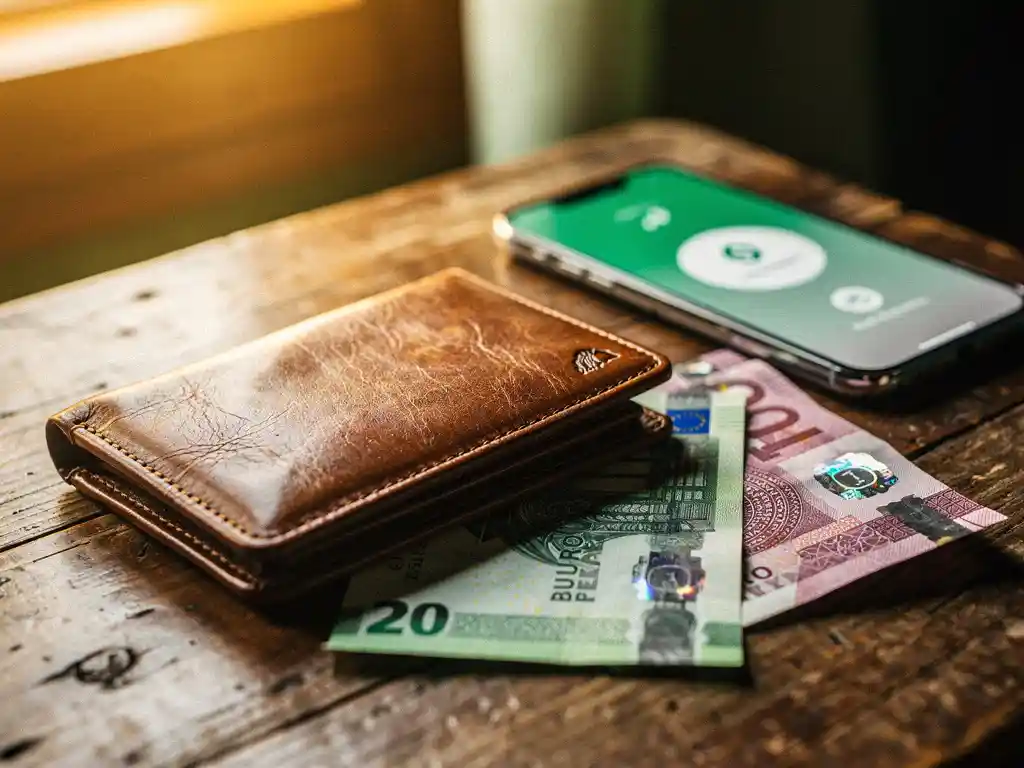
Sending money across borders has become a routine part of life for millions of people around the world. Whether you are supporting family back home, paying for education, or contributing to a business venture, understanding how international money transfers work can save you real money and protect you from unnecessary risk.
This guide walks you through everything you need to know—from the basics of how transfers work to the safest and most affordable ways to get your money where it needs to go.
What does it mean to transfer money internationally?
An international money transfer is the process of sending funds from a bank account or payment platform in one country to a recipient in another country. The money moves through financial networks that convert currencies, apply exchange rates, and route payments across borders, often within hours or a few business days.
Unlike a domestic payment, an international transfer involves at least two currencies, two financial systems, and sometimes intermediary banks that help move the funds along the route. This is why the process carries additional considerations around fees, timing, and compliance. Understanding these basics puts you in a much stronger position when you are ready to send money.
What are the most common ways to send money abroad?
There are several established methods for sending money internationally, each with different trade-offs in speed, cost, and convenience. The most widely used options include:
- Bank wire transfers: Sent directly between bank accounts using the SWIFT or SEPA networks. Reliable but often slow and expensive.
- Online money transfer services: Platforms that specialize in cross-border payments, typically offering better rates and faster delivery than traditional banks.
- Mobile money transfers: These services send funds directly to a mobile wallet without requiring a bank account, making them especially accessible in regions where traditional banking infrastructure is limited.
- Cash pickup services: The sender pays online or in person, and the recipient collects cash at a local agent location.
- Cryptocurrency transfers: A newer option that bypasses traditional banking networks, though it requires both parties to be comfortable with digital assets.
For diaspora communities sending money to countries like Nigeria, Ethiopia, Eritrea, or Sudan, mobile money and specialized transfer services often offer the best combination of speed, accessibility, and low cost. The right method depends on how your recipient prefers to receive funds and what infrastructure is available to them.
What fees and exchange rates should you watch out for?
The two biggest costs in any international money transfer are the transfer fee and the exchange rate margin. The transfer fee is the upfront charge the service takes for processing your payment. The exchange rate margin is the difference between the mid-market rate (the real rate you see on Google) and the rate the provider offers you. Together, these two costs determine how much your recipient actually receives.
Hidden charges to look out for
Some providers advertise low or zero transfer fees but quietly build their profit into a poor exchange rate. Always calculate the total cost by comparing how much arrives at the destination, not just what you pay upfront. Watch out for:
- Connection fees or processing charges added at checkout
- Receiving fees charged to your recipient by their bank or mobile wallet
- Unfavorable exchange rates that quietly reduce the amount delivered
How to compare costs fairly
The clearest way to compare providers is to check the recipient amount for a fixed sum you plan to send. If you send 100 euros, how many naira, birr, or francs arrive on the other side? That single number tells you more than any advertised fee rate. Transparent providers show you this figure before you confirm the transfer.
How long does an international money transfer take?
International money transfers can take anywhere from a few minutes to five business days, depending on the method, the destination country, and the provider you use. Mobile money transfers and specialist online platforms often deliver within minutes or hours. Bank wire transfers typically take one to three business days, and some corridors can take longer due to compliance checks or intermediary banks.
Transfers to certain destinations may experience delays during weekends, public holidays, or when additional identity verification is required. This is particularly relevant for corridors serving African countries such as Nigeria or Ethiopia. If speed matters, choosing a provider that specializes in your specific corridor, such as Europe to Nigeria or Europe to Ethiopia, will generally give you faster and more predictable delivery times than a general-purpose bank transfer.
Which is the cheapest way to send money internationally?
The cheapest way to send money internationally is usually through a specialist online transfer service that offers transparent fees and competitive exchange rates, rather than through a traditional bank. Banks tend to charge higher fees and apply wider exchange rate margins, which can significantly reduce what your recipient receives.
Cost also depends heavily on the specific countries involved. Some corridors are well served by competitive providers, which drives prices down. Others, particularly transfers to smaller or less-connected economies, may have fewer options and higher costs. Comparing two or three services for your specific route before sending is always worth the few extra minutes it takes.
Beyond fees, consider reliability. A slightly cheaper service that regularly delays payments or has poor customer support can cost more in stress and inconvenience than a slightly pricier but dependable alternative. For families depending on regular remittances, consistency matters as much as cost.
How do you keep your international transfer safe and secure?
To keep your international money transfer safe, always use a regulated and licensed provider, verify recipient details carefully before confirming, and avoid sharing your account credentials with anyone. Reputable transfer services are registered with financial regulators in the countries where they operate, which provides a layer of consumer protection.
Steps to protect yourself
- Check the provider is regulated: Look for registration with a recognized financial authority such as De Nederlandsche Bank in the Netherlands or the FCA in the UK.
- Double-check recipient details: A single digit wrong in an account number or mobile wallet ID can send your money to the wrong person. Always verify before confirming.
- Use secure networks: Avoid initiating transfers over public Wi-Fi. Use a trusted mobile or home network.
- Enable two-factor authentication: Most reputable platforms offer this as an extra layer of account security.
- Keep records: Save your transaction confirmation and reference number until the recipient confirms the money has arrived.
Scammers sometimes pose as transfer services or send fake payment confirmations. If something feels off, contact the provider directly through their official website or app before proceeding. Protecting your money starts with choosing a platform that values transparency as much as you do.
How FroggyTalk helps with international money transfers
We built FroggyTalk around one belief: People in the African diaspora deserve to feel heard, seen, and valued. Our International Money Transfer Service extends that mission beyond calls and into the financial lifelines that connect families across borders.
Here is what sets our service apart:
- Transparent fees with no hidden charges, so you always know exactly what your recipient will receive
- Competitive exchange rates for key corridors, including Nigeria, Ethiopia, Eritrea, Sudan, and Niger
- Multilingual support in Tigrinya, Hausa, Amharic, Arabic, French, and more, so you can navigate the process in your own language
- Everything in the app can be translated into your local language, making the experience genuinely accessible
- Integrated with our calling platform, so you can manage both communication and money from one trusted place
- Real-time transaction tracking, so you and your family know exactly where the money is
Whether you are sending money home for the first time or looking for a more reliable and affordable alternative to your current provider, we are here to help. Get in touch with our team if you have any questions. You deserve a service that works as hard as you do.