


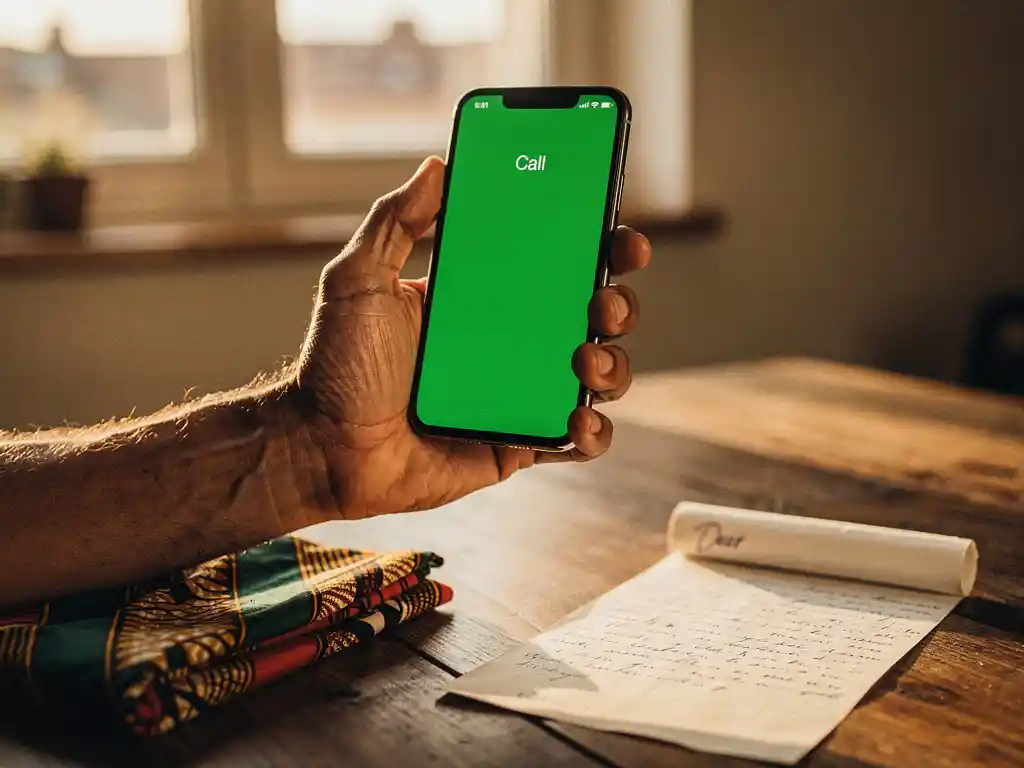
Staying connected with family back home is one of the most important needs for diaspora communities living in Europe. For many migrants and refugees, international calling still feels like a luxury rather than a basic right. The good news is that smarter options exist, and knowing how to use them can save you real money every single week.
This guide answers the most common questions diaspora communities have about cutting the cost of international calls, avoiding hidden fees, and finding services that truly understand your needs.
Why are international calls so expensive for diaspora communities?
International calls are expensive for diaspora communities primarily because traditional telecom providers charge high per-minute rates for cross-border connections, apply connection fees, and often add surcharges for calls to destinations that serve migrant communities. These costs reflect outdated infrastructure pricing and a lack of competition on routes that matter most to people living far from home.
Many countries in Africa, Asia, and the Middle East are classified as high-cost destinations by legacy carriers. For African diaspora communities in particular, this means that calling countries such as Eritrea, Sudan, or South Sudan can cost several times more per minute than calling a neighboring European country. For families who rely on regular contact, those minutes add up fast.
There is also a structural issue at play. Diaspora communities tend to have less bargaining power as consumers, and the providers who serve them have historically faced little pressure to lower prices. The result is a market in which the people who most need affordable communication are often the ones paying the most for it.
What are the most effective ways to save on international calls?
The most effective ways to save on international calls are to switch to internet-based calling apps, take advantage of weekly calling deals, pay attention to per-second billing rather than per-minute rounding, and choose a provider that offers transparent pricing with no hidden connection fees.
Here are the key strategies that make a real difference:
- Use internet-based calling: Calling over Wi-Fi or mobile data bypasses traditional telecom pricing entirely, often reducing costs dramatically.
- Choose weekly deals: Some providers offer time-limited deals on specific destinations that give you significantly more calling minutes for the same amount of money.
- Check per-second billing: Per-minute billing rounds up every call, meaning a 61-second call costs you two full minutes. Per-second billing means you only pay for what you actually use.
- Avoid connection charges: Some services charge a flat fee just to connect a call, before the conversation even starts. Choosing a provider with no connection fees keeps costs predictable.
- Use your local currency: Providers that support multiple currencies, including euros, Swedish kronor, British pounds, and South African rand, remove the hidden cost of currency conversion.
Combining these strategies consistently is what leads to the biggest savings over time.
How does calling over the internet work without the other person having an app?
Calling over the internet to a regular phone works by routing your voice call through an internet connection on your end, then converting it to a standard phone signal that rings the recipient’s mobile or landline. The person you are calling does not need a smartphone, an app, or even internet access to receive the call.
This technology is known as VoIP, or Voice over Internet Protocol. From the caller’s perspective, you open an app, dial a number, and speak as you normally would. From the recipient’s perspective, their phone simply rings as if it were any other call.
This matters enormously for diaspora communities. Many family members back home in Nigeria, Ethiopia, or Eritrea may have basic mobile phones without data plans or smartphones. Internet-based calling apps that connect to regular phone numbers bridge that gap, meaning you can use affordable internet calling from Europe while your relatives receive the call on any phone they already own.
The quality of the call depends on your internet connection speed, but even a modest mobile data connection is typically sufficient for clear voice calls.
Which calling app is best for African diaspora communities in Europe?
The best calling app for African diaspora communities in Europe is one that offers low per-minute rates to African destinations, supports multiple African and European languages, uses transparent per-second billing with no hidden fees, and understands the specific cultural and practical needs of migrants and refugees.
Most generic calling apps are built for a broad global audience and do not prioritize routes to countries like Eritrea, Sudan, South Sudan, or Liberia. Apps designed specifically for the African diaspora tend to offer better rates on these routes and provide customer support in languages such as Tigrinya, Hausa, Amharic, and Arabic.
Language support within the app itself also matters. Being able to navigate the app, read your balance, and understand your billing in your own language removes a significant barrier for users who are not comfortable in English or Dutch. Look for an app where everything can be translated into your local language, so you always know exactly what you are paying and what you are getting.
Beyond pricing, consider whether the app offers additional features that serve your community, such as access to radio stations from your home region, which can make a meaningful difference to daily life abroad. You can explore affordable international calling options for diaspora communities to compare what is available.
What hidden fees should diaspora callers watch out for?
The hidden fees diaspora callers most commonly encounter are connection charges applied at the start of every call, per-minute rounding that inflates your actual usage, currency conversion markups, and monthly subscription fees that apply even when you make very few calls.
Connection charges are particularly frustrating because they are deducted before you have even said a word. A provider might advertise a low per-minute rate, but if they charge a connection fee on top of that, a short two-minute call to check on a family member can cost significantly more than the advertised rate suggests.
Per-minute rounding is another common trap. If a call lasts one minute and five seconds, per-minute billing rounds that up to two full minutes. Over dozens of calls per month, this adds up to minutes you paid for but never used. Per-second billing eliminates this entirely.
Always read the full pricing breakdown before topping up. A trustworthy provider will show you exactly how many minutes you get for your money, in your currency, with no surprises when you check your balance afterward.
How much can diaspora communities realistically save by switching calling methods?
Diaspora communities can realistically save a substantial portion of their monthly calling costs by switching to internet-based calling with transparent pricing. The exact savings depend on which country you are calling, how often you call, and which provider you currently use, but the difference in minutes per euro spent can be dramatic.
To give a concrete sense of what good value looks like, here are real examples of what you can get with a weekly calling deal on a dedicated diaspora platform:
- Nigeria (Saturday deal): At a rate of €0.08 per minute, €10 gives you 2 full hours of calling time.
- Eritrea (Sunday deal): At €0.17 per minute, €10 gives you 58 minutes of calling time.
- Ethiopia (Sunday deal): At €0.17 per minute, €10 gives you 59 minutes of calling time.
- Sudan (Friday deal): At €0.26 per minute, €10 gives you 38 minutes of calling time.
- South Sudan (Saturday deal): At €0.35 per minute, €10 gives you 28 minutes of calling time.
- Liberia and Sierra Leone (Saturday deal): At €0.29 per minute, €10 gives you 34 minutes of calling time.
- Zimbabwe (Saturday deal): At $0.35 per minute, $12 gives you 28 minutes of calling time, with South African rand also accepted.
These deals are available in multiple currencies, including euros, British pounds, Swedish kronor, Swiss francs, Canadian dollars, Australian dollars, and US dollars, so you always pay in the currency that works for you. Compared to what many traditional providers charge for the same routes, the savings are significant and consistent.
How FroggyTalk helps with international calling
We built FroggyTalk because we know what it feels like to be far from home and want to hear a familiar voice. Our mission is simple: to make sure you feel heard, seen, and supported, no matter where in the world you are calling from or calling to.
Here is what we offer:
- Affordable international calling using your internet connection, with no app required on the recipient’s end
- Transparent per-second billing with no hidden connection fees
- Weekly calling deals for destinations across Africa, including Nigeria, Eritrea, Ethiopia, Sudan, South Sudan, Liberia, Sierra Leone, and Zimbabwe
- Support for multiple languages, including Tigrinya, Hausa, Amharic, Arabic, French, and more, with the entire app available in your local language
- Multiple currency options so you always pay in the currency that suits you
Ready to see exactly what you get for your money? Check our current calling rates and find the best deal for your destination. If you have questions or need help getting started, get in touch with our team and we will be happy to help.